In December of 2002, McDonald's had to shut down their restaurants in Bolivia. The company cited financial problems, but the real reasons were to be found elsewhere. Bolivia may be a small, poor nation on the global market, but a country's fierce local food culture can be sometimes a more powerful factor than economic clout. In his first feature-length documentary, Fernando Martinez shows what happened, a story driven by the characters behind the events and their life stories, such as renowned cooks and a review of popular sayings about the Bolivian food. The symbolism is obvious when a multinational giant is 'brought to its knees' by a country's traditions and heritage.
Are tourists destroying the planet-or saving it? How do travelers change the remote places they visit, and how are they changed? From the Bolivian jungle to the party beaches of Thailand, and from the deserts of Timbuktu, Mali to the breathtaking beauty of Bhutan, GRINGO TRAILS traces stories over 30 years to show the dramatic long-term impact of tourism on cultures, economies, and the environment.
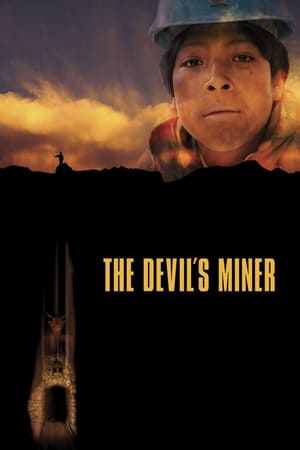
Danger, toil, and superstition pervade life in a mining town high up in the Bolivian mountains. Tin is the heartbeat of the community providing jobs and livelihoods - but at considerable cost. With deaths commonplace, people make offerings to El Tio, the devil under the earth, for protection and good fortune. But when the mountain's flow of tin ebbs, further measures must be taken...
'The Devil's Miner' tells the story of 14-year-old Basilio who worships the devil for protection while working in a Bolivian silver mine to support his family.
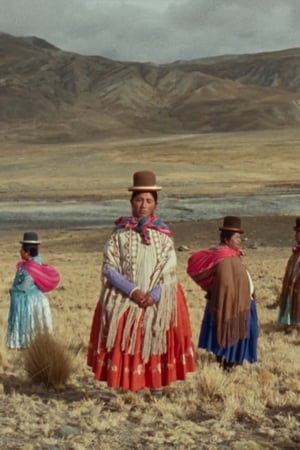
Bolivia's Climbing Cholitas - a group of indigenous women scaling the Andes Mountains, some of the highest peaks in the world. Shot in Bolivia for Vogue Latin America and Vogue Mexico's 20th anniversary cover story.
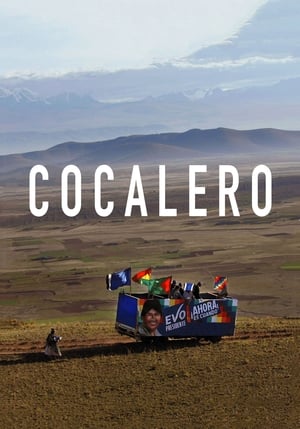
A documentary centered on the union formed by Bolivian farmers in response to their government's (which was urged by the U.S.) effort to eradicate coca crops, and the man who would come to represent them, Evo Morales.
A documentary filmmaker travels to Bolivia to learn more about his father and his family's history.
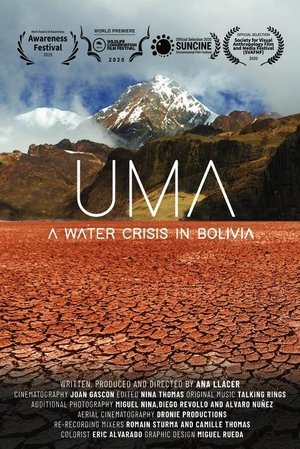
Andean communities fight to protect their water from contamination by mining companies.
Images of Argentinian companies and factories in the first light of day, seen from the inside of a car, while the director reads out documents in voiceover that reveals the collusion of the same concerns in the military dictatorship’s terror.
L'Autre pays
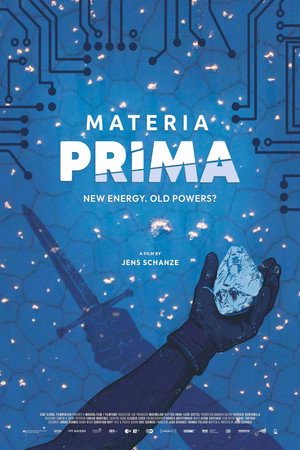
Bolivia has the world's largest deposits of lithium, a metal that is essential for the energy transition. Without lithium, no electricity storage facility, no data centre, no electric car, no smartphone would work. The Europeans want the raw material to save their automotive industry. The Bolivians want it to combat poverty. While the Bolivian government negotiates with corporations from around the world, civil society groups are mobilising in rural areas, organised mainly by women. The film offers a rare insight into the Europeans' strategy to secure the sought-after material and carves out the conflicting interests towards extractivism and industrialisation in Bolivia.
Journal de Bolivie
2006: Evo Morales, first indigenous President is elected in Bolivia after the 2003 dramatic events following the fall of the President Sanchez de Lozada (exiled in the U.S. since then). The socialist revolution enters in its crucial stage. But dealing with power carries a burden of temptations and pathologies. In four years of shooting between Bolivia and the US this film focus on the difficult path of this unique historical opportunity. The film ends with the recent TIPNIS dramatic indigenous protest which creates an historical circle.
A documentary on American political campaign marketing tactics and their consequences.
Mascarades
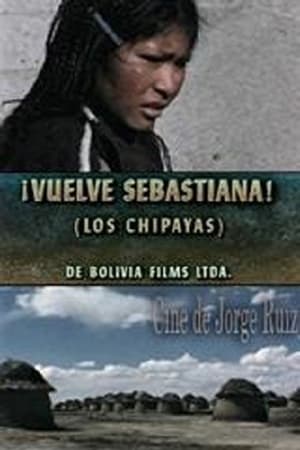
The story of a poor girl who leaves her starving family and sheep for a more prosperous village. Her grandfather finds her and tries to convince her to return to her home.
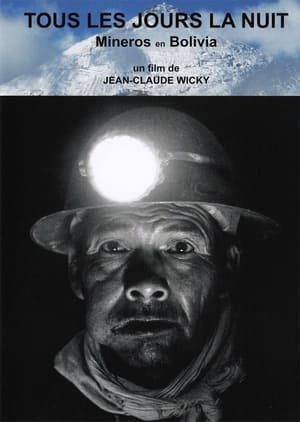
For many years, the Swiss photographer Jean-Claude Wicky captured the world of Bolivian miners in photographs. When he discovered how strongly they reacted to his pictures, he decided to make a film. Black-and-white photographs alternate with film sequences, in which the miners talk about the harsh conditions of their everyday lives, while also rendering visible their pride, dignity, culture and dynamic traditions. Every day is night is first and foremost a testimonial of profoundly sincere human encounters based on respect, generosity and gratitude.
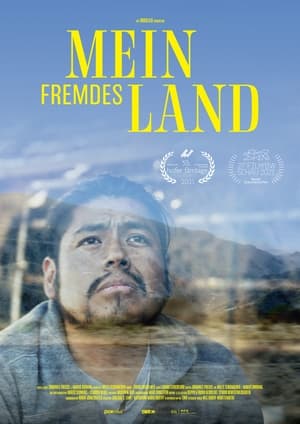
A Bolivian by birth, who grew up with adoptive parents in the Swabian town of Mössingen, is looking for his family in the mountains of Potosí. Out of poverty, his mother gave the little boy away when he was just a few months old. The search carries a story that goes far beyond personal fate. Because Manuel was born in a region known for the ruthless exploitation of silver. It's a film about identity, homeland and equal opportunities.
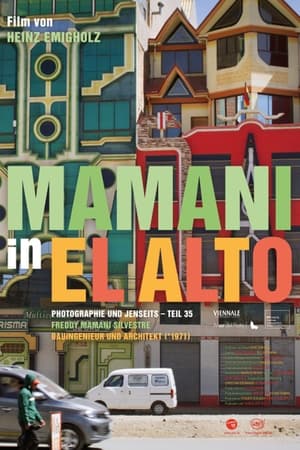
His buildings are garish, colorful and completely overloaded. Columns and glittering chandeliers everywhere, and way too much of everything. The Bolivian civil engineer and architect Freddy Mamani Silvestre (*1971) builds houses in El Alto for a nouveau riche upper class of the Aymara, the largest indigenous ethnic group in Bolivia.
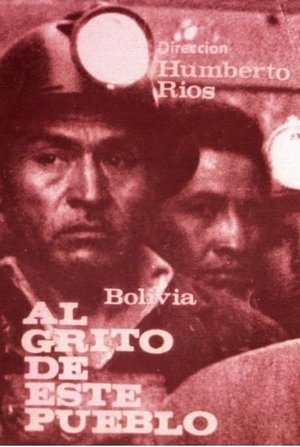
Directed by Bolivian-born filmmaker Humberto Ríos (working from Argentina, where he was based), this 65-minute color documentary chronicles the struggle of Bolivian miners and peasants in the period leading up to the de facto government of dictator Hugo Banzer, who came to power with U.S. backing. The film offers a critical warning about the rise of dictatorships across Latin America, situating Bolivia's social conflict within the broader wave of imperialism and military repression sweeping the region at the time.