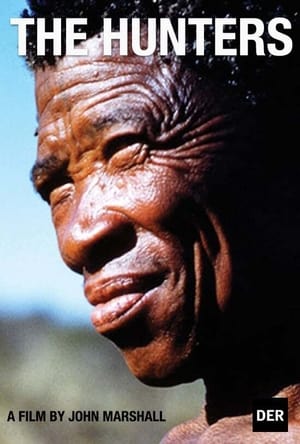
An ethnographic film that documents the efforts of four !Kung men (also known as Ju/'hoansi or Bushmen) to hunt a giraffe in the Kalahari Desert of Namibia. The footage was shot by John Marshall during a Smithsonian-Harvard Peabody sponsored expedition in 1952–53. In addition to the giraffe hunt, the film shows other aspects of !Kung life at that time, including family relationships, socializing and storytelling, and the hard work of gathering plant foods and hunting for small game.
In the bitter winter of 1978, four desperate council members from a small Virginia town hatched a daring Bigfoot hoax to save it from the brink of bankruptcy. But as the money grew, so did the greed-triggering the town's first unsolved murder.
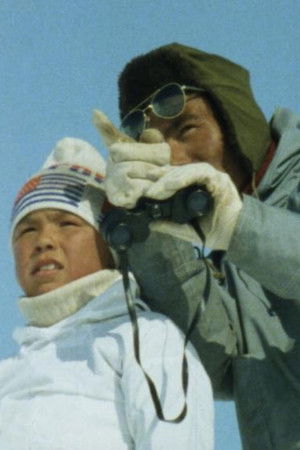
Mosha Michael made an assured directorial debut with this seven-minute short, a relaxed, narration-free depiction of an Inuk seal hunt. Having participated in a 1974 Super 8 workshop in Frobisher Bay, Michael shot and edited the film himself. His voice can be heard on the appealing guitar-based soundtrack…. Natsik Hunting is believed to be Canada’s first Inuk-directed film. – NFB
Shark: Beneath the Surface
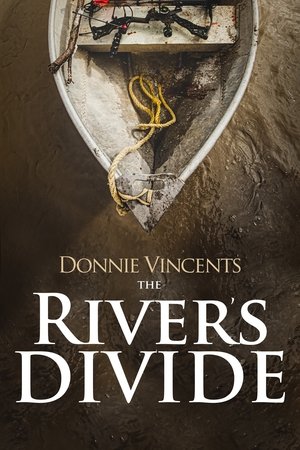
Donnie Vincent's The River's Divide is a full-length documentary film featuring Donnie Vincent's bowhunting journey into the Badlands of North Dakota, chasing a whitetail deer known as Steve.
The imminent extinction of the vaquita porpoise and the totoaba, two species endemic to Baja California and sought after by the mafia for their swim bladders, which are highly prized in the East; victims of illegal fishing nets and in danger of extinction.
For the Frigons, hunting is a family affair that forges and solidifies the bonds between generations. For many autumns, Louis-Henri has been tracking moose alongside Sasha, his grandson. On the other hand, at the dawn of his 81st birthday, old age reminds him that his career as a hunter is behind him. This year, Louis-Henri will not go hunting and Sasha will go without him for the first time. Goodbye, Hunter offers an intimate look at the moment of the passing of a long family tradition.
Bloodhound dog handlers have an essential role in Québec’s hunting ecosystem. Thanks to them, a large number of wounded and lost animals are found during hunting season. They are an important resource for wildlife protection and management. This short film meets one of them, Yves Martineau, and follows the long waits and intense research that comes with the job. In the heart of the Canadian forest, on Matane’s wildlife reserve, we follow this man and his dogs through the vastness of the woods.
My Deer Hunter is the meeting of Alain, man of the nature and passionate of hunting with the deer, at the moment where the nervousness of the first days of hunting settles down. It's a family reunion, a return to the source in the lands of Témiscouata.
Etthén Heldeli: Caribou Eaters travels with Déné First Nations people in Canada’s north, as they search for the species so vital to every aspect of their lives – the barren-ground caribou. The documentary is a celebration of their rich ancient culture, and a visual document lamenting their traditions that could vanish, if the caribou disappear.
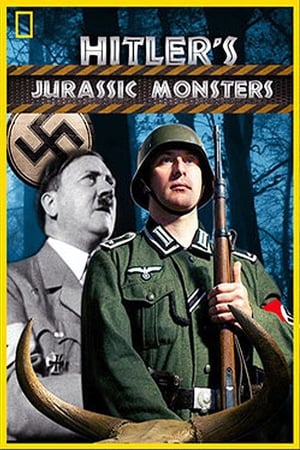
This is the untold story of a Nazi vision, that went far beyond the military conquest of European countries. As part of their crazed dream to create a thousand-year Reich they developed detailed blueprints for Aryan settlements and vast hunting parks for ‘Aryan’ animals. Goering and Himmler employed Germany’s best scientists to launch a hugely ambitious programme of genetic manipulation to change the course of nature itself, both in the wild and for domestic use. In a fascinating blend of politics and biology, Hitler's Jurassic Monsters is the true and asthonishing story of how the Nazis tried to take control of nature and change the course of evolution.
In Caribou in the Archive, rustic VHS home video of a Cree woman hunting caribou in the 1990s is combined with NFB archival film footage of northern Manitoba from the 1950s. In this experimental film, the difference between homemade video and official historical record is considered. Northern Indigenous women hunting is at the heart of this personal found footage film in which the filmmaker describes the enigmatic events that led to saving an important piece of family history from being lost forever.
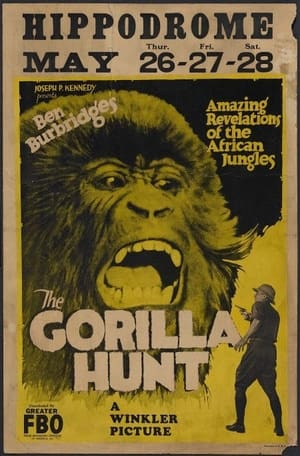
Mr. Burbridge's party slew three giant gorillas, one weighing something like 450 pounds. Two of these were sent to the Belgian Government and one to the Smithsonian Institution. The explorer also brought away with him three young gorillas, one of which weighed 125 pounds and put up a good battle before he surrendered. Mr. Burbridge shows some amusing scenes with these animals, one of them being that of a young gorilla who insists on getting tangled up in a drum of film. (cont. http://www.nytimes.com/movie/review?res=9B04E5D7143CEE3ABC4C52DFB467838D639EDE)
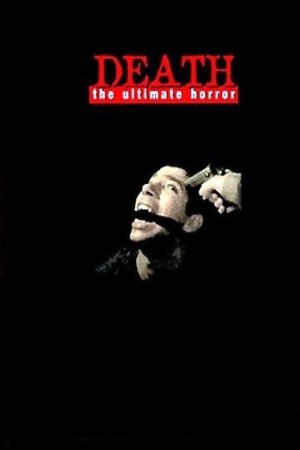
This grisly documentary presents horrifying journalistic footage of suicides, assassinations, bombings, mob hits, decapitations, and more in bloody detail. Not for the faint of heart.
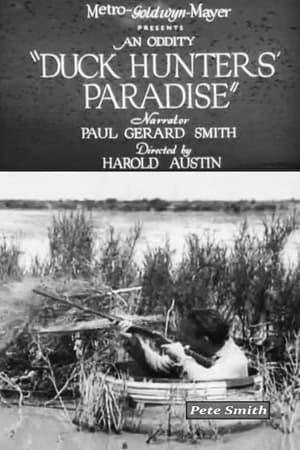
This short follows two duck hunters in the Sacramento River Valley.
The harvesting of a Rocky Mountain Bighorn Ram represents one of the greatest achievements in the world of hunting today. As a sought after and coveted trophy throughout Canada and the United States, the Bighorn Ram"s status and popularity is soaring. This video will show you why.
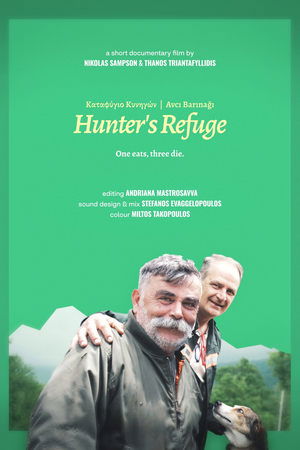
Fast on his feet with a fat mustache, short stature, and investigative gaze. For a couple of days in the mountain, in his native land, we approach a man, strange and loud but nevertheless genuine and sensitive, a hunter. In his own way, Mr. Sotiris shines light on our bond with nature, history and man.
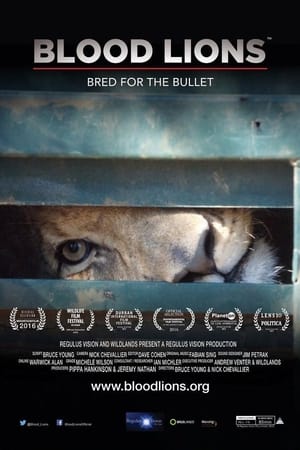
Every single day in South Africa at least two to three captive bred or tame lions are being killed in canned hunts. And hundreds more are slaughtered annually for the lion bone trade. The Blood Lions story is a compelling call to action to have these practices stopped.
Amidst Wyoming's rugged beauty, an experienced hunter confronts the challenges of tracking wild game and forges lifelong bonds within his friendships.
Two hunters set out on safari with their African guide. They observe zebras, an ostrich, and a hippopotamus, capture a monkey, and camp for the night. After a lion kills their goat and horse, they shoot it by the water’s edge and later kill a second. The animals are skinned, and the hunters relax with cigarettes beside their trophies. (Note: Produced by Nordisk Film in 1907, Løvejagten gained notoriety because founder Ole Olsen purchased lions from Copenhagen Zoo, released them on an island, and filmed their killing. Supplemented with zoo footage to simulate Africa, the film caused public outrage yet drew huge audiences, establishing Nordisk’s reputation worldwide.)