Cinéastes de notre temps : Norman McLaren
The Tipo Tranquilo parties arose from the initiative of three friends (Gabriel, Erick and Alejandro), who were looking for something different in the Guatemalan electronic scene. He realized several factors that affected deejays and true music lovers, for that reason they started this movement of having various parties in different places. Inviting friends in a hidden way, without much publicity, they can only be reached through a map.
Jorge Luís Altuve is a young Guatemalan, passionate about mountaineering and a lover of his country. After the COVID-19 crisis and the lack of transparency in the execution of funds by the government of Alejandro Giammattei, he raised a wave of indignation that led thousands of Guatemalans to demonstrate. Jorge Luis attended the central square, when PNC agents began to intimidate the peaceful demonstrators. He and other citizens were arrested without having carried out an act of vandalism.
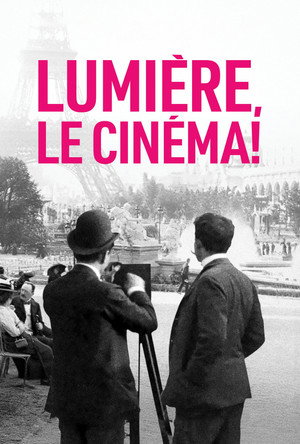
In one of those wonderful coincidences of history, lumière, the French word for “light,” was also the last name of brothers Auguste and Louis, whose brilliant invention, the cinematograph, helped to inaugurate the most beloved art form of the last 130 years. Institute Lumière director Thierry Frémaux uses Lumière, Le Cinema! to guide the viewer through over a hundred shorts—some famous, some forgotten, some never before seen—directed by Lumière and company. In the process, Frémaux illuminates how the brothers employed the camera as a creative instrument as they (and their operators) mastered framing, staging, and subject selection for quotidian and exotic microdocumentaries as well as the first ever fictional motion pictures. The result is not only a glorious re(telling) of the genesis of cinema but a profound meditation on the beautiful world captured—and the mysterious world imagined—by the Lumières.
A thrilling comedic documentary attempting to uncover the mystery of who is responsible for one of the most infamous bloopers in cinematic history.
A compilation of a filmmaker's discard footage, subtly narrating his point of view of the year 2020.
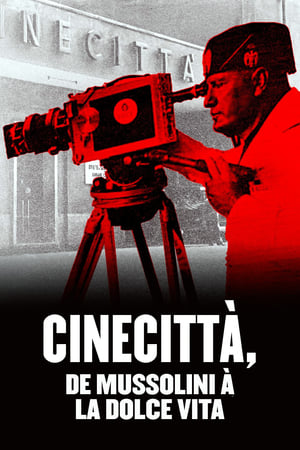
Cinecitta is today known as the center of the Italian film industry. But there is a dark past. The film city was solemnly inaugurated in 1937 by Mussolini. Here, propaganda films would be produced to strengthen the dictator's position.
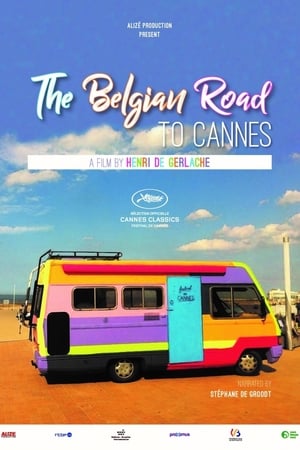
A cheerful road movie all about Belgian films at Cannes over the past 70 years. Filmmakers from the past converse with those from the present to paint the portrait of a cinema that is both diverse and free. An account of Belgium’s participation in the greatest film festival in the world.
Documentary from French TV channel Canal+ about Marion Cotillard's road to the Oscar for her performance as French singer Édith Piaf in the 2007 film 'La Vie en Rose', also featuring behind-the-scenes footage from the film.
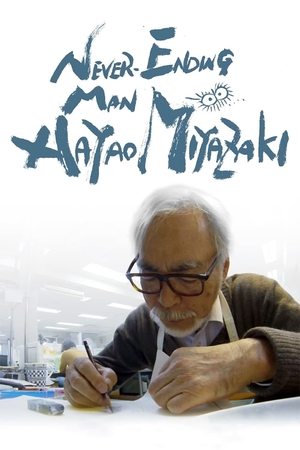
A look at legendary Japanese animator Hayao Miyazaki following his retirement in 2013.
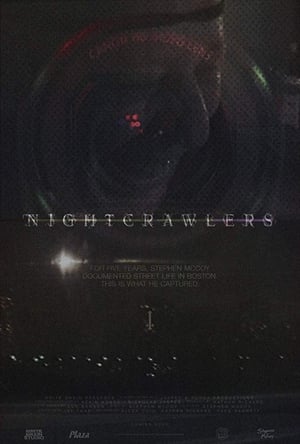
For five years, Stephen McCoy documented street life in Boston. This is what he captured.
Monte Hellman was born in 1932. By 1986 he made eight features, but had not directed for six years. I had made as many documentaries, but had not turned a foot of film through a camera for two years. I decided to break the silence by spending a day with him. Nine rolls were loaded into the camera. We talked until either we or the camera ran out.
Luca lives for pizza. In an attempt to create a documentary about the cultural exchange between Neapolitan and Windsor pizza, the Covid-19 pandemic diminishes any hopes of flying to Italy and exploring his cultural background. With an infinite amount of free time, (and a hunger for pizza), Luca and his twin sister, Gemma, aim to save the documentary.
Between 1968 and 1970, J M Goodger, a lecturer at the University of Salford, made a film record of the living conditions in the slums of Ordsall, Salford, which were then in the process of being demolished. Under the title 'The Changing face of Salford', the film was in two parts: 'Life in the slums' and 'Bloody slums'.
Mother India is home to many castes, tribes and religions and one common factor that brings this diverse country all together is Jewelry. Come explore the deep history and culture of the jewelry of India dating back more than 5000 years. As we explore the history we also take you into Bangalore, India and talk to local Jewelry Stores and Jewelry Artisans as they share their stories and their family history of their involvement in jewelry going far back into their family ancestry.
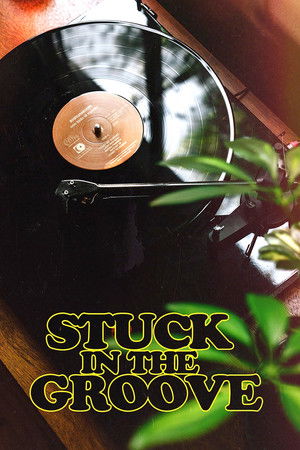
A Documentary film exploring the history and evolution of vinyl records. Featuring Interviews with the experts, musicians and fans alike, 'Stuck in the groove' takes you on a journey of vinyl-mania, music and nostalgia.
A documentary filmed between 2016 - 2018 about the Boston DIY music scene, and part of the community that keeps it going.
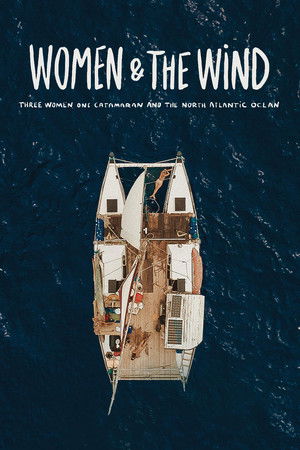
Shot over the course of 30 days at sea, filmmaker Alizé Jireh documents the group’s voyage across the North Atlantic—from moments of stillness and calm to the chaos of storms and setbacks. With an observational approach and an eye for the emotional and physical rhythms of life at sea, Jireh captures not just the external landscape, but the internal shifts that come with navigating the vast unknown.
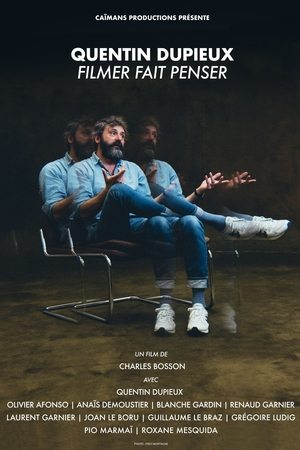
Meeting with the director Quentin Dupieux, who agreed to open the doors of one of his sets on the set of his film “DAAAAAALI!”.
The 25-minute long documentary details the entirety of the artistic process from Ralph Ziman’s inspiration for the project and acquisition of the MiG-21, to the international collaboration to create the beadwork and assemble the art piece, leading up to the project’s unveiling at The Museum of Flight. Also covered in the film is background on the MiG-21, including details about the plane used (decommissioned tail number 8971) and how MiGs’ presence in the Angolan Civil War ultimately hastened the end of white rule in South Africa. See historical footage and personal interviews, including the Polish pilot who flew tail number 8971 in the 1980s, a South African Border War pilot and the team of artists and craftspeople in Southern Africa and the United States who took on the huge task of covering the aircraft in tens of millions of glass beads.