Matisse & Lydia
Bacon-Freud, face à face
This film portrait of a new kind is a deep dive into the heart of the art scene of Los Angeles. From a ride on Sunset Boulevard in a convertible car at the sunrise, going through a lunch with the art dealer Patrick Painter and a visit to Peter Shire's studio... Having a beer and a deep talk with Paul McCarthy, calling Raymond Pettibon stuck in New-York or searching for Ed Ruscha in bars.... From Ariana Papademetropoulos opening exhibition to the visit of a car wreck with Umar Raschid... From the old house of Cary Grant to the dodgy underground of Downtown passing through Eugenio Lopez's private art collection on the Hollywood hills... Through intimate conversation, 24 Hour Sunset gives us access to the thoughts, inspirations and practice of legendary artists, world famous art dealers, appraised curators and collectors, as well as the young up coming scene of artists living in Los Angeles.
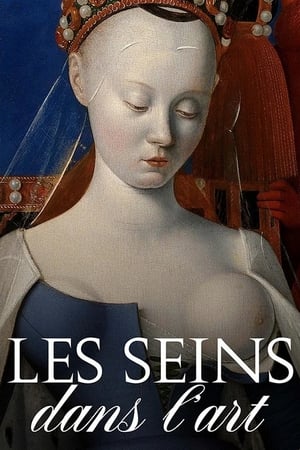
The representation of genitalia in the fine arts was censored for centuries: sexual organs were discreetly hidden among fig leaves, pearls or sheets; and it is still a taboo today. From Antiquity to the present day, the history of puritanism applied to art and the tricks used by artists to circumvent censorship.
Parte - Teatro do Corpo
Quest for Beauty is a film documentary on the life and prolific art career of William Schickel who was a prominent 20th century Catholic artist. Schickel had a very prolific art career spanning sixty-plus years; he produced a large body of mostly commissioned work in painting, sculpture, stained glass, and architectural design. He is most well-known for his renovation of the Abbey of Gethsemani in Kentucky, where he worked personally with Thomas Merton. His works can be found in numerous private collections and museums, including the Vatican Museum. The film explores his Quest for Beauty and the challenges he faced, and his vision for the Church and his heart for unity in the Body of Christ.
In 1937 the Nazi regime held two exhibitions in Munich: one to stigmatize “Degenerate Art” (which they systematically looted and destroyed) and one, personally curated by Hitler, to glorify “Classic Art”. This immersive new documentary reveals the Nazi’s complicated relationship with classical and modern art, displaying an incredible number of masterpieces by Botticelli, Klee, Matisse, Monet, Chagall, Renoir and Gauguin amongst others, intertwined with human stories from the most infamous period of the twentieth century. A state-of-the-art detective story exploring the Nazis’ obsession with creative expression, Hitler versus Picasso combines history, art and human drama for an unforgettable cinema experience.
Petro-Melancholie
Les couleurs de l'Antiquité
Qu'est-ce que la haute couture ?
Ernest Pignon Ernest is a French visual artist who is considered one of the pioneers of urban art in France. This film recounts the major stages of a considerable body of work that began in the 1960s on the Albion plateau and culminated in Les Extases at the Abbey Church of Bernay. The film gives him space to speak freely, generously, and with conviction. Ernest Pignon Ernest's hands are ancient, reaching back from Caravaggio to Titian, from Masaccio to El Greco. His works speak to us. They transform our streets into fictional spaces, reminiscences, rituals.
Documentary about one of Norway's most prolific film directors, Nils R. Müller (1921-2007). Müller was active in Norwegian film production from 1946 to 1975. He directed 21 feature films.
Geniale Frauen - Malerinnen von der Renaissance bis zum Klassizismus
A young city girl explores the idea of beauty with her uncle Michel, a retired farmer from the Beauce region. An amusing and touching encounter between two visions of art and the world.
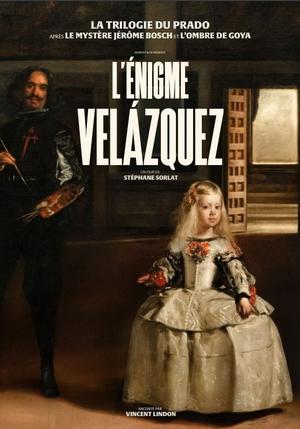
Diego Velásquez, painter of kings and commoners, master of the off-frame and mise-en-abyme, stands at the heart of a cinematic journey that challenges conventions. From the hypnotic depth of Las Meninas to the dizzying layers of meaning in The Spinners, The Vélasquez Mystery seeks to unravel a troubling question: how does this artist, admired by geniuses such as Manet and Dalí, remain so often on the margins of collective memory? Guided by the symbolic thread of water, a metaphor for movement and reflection, the film traverses centuries and continents, boldly blending historical narratives, contemporary interpretations, and reflections on the universal legacy of an unmatched master.
Departing from peripheral details of some paintings of the Bilbao Fine Arts Museum, a female narrator unravels several stories related to the economic, social and psychological conditions of past and current artists.
A portrait of the visionary Dutch artist M. C. Escher (1898-1972), according to his own words, taken from his diary, his correspondence and the texts of his lectures.
If something of import has taken place in our lifetimes, chances are that Steve McCurry has photographed it, from the wars in the Arab world to the 9/11 attacks. Denis Delestrac’s documentary on the photographer charts McCurry’s journey through a restless life spent on constant move, chronicling our times and living with the intense loneliness and trauma that came along with his work. Today, surrounded by a loving family, McCurry is finally home but never not in the pursuit of color.
Following fateful scientific reports, protestors pose the argument for a better future against the vested interest of industry. Small to large, individual to collective, where do I fit into this?
Black Is the Color highlights key moments in the history of Black visual art, from Edmonds Lewis’s 1867 sculpture Forever Free, to the work of contemporary artists such as Whitfield Lovell, Kerry James Marshall, Ellen Gallagher, and Jean-Michel Basquiat. Art historians and gallery owners place the works in context, setting them against the larger social contexts of Jim Crow, WWI, the civil rights movement and the racism of the Reagan era, while contemporary artists discuss individual works by their forerunners and their ongoing influence.