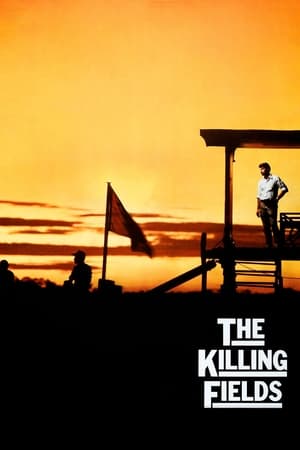
New York Times reporter Sydney Schanberg is on assignment covering the Cambodian Civil War, with the help of local interpreter Dith Pran and American photojournalist Al Rockoff. When the U.S. Army pulls out amid escalating violence, Schanberg makes exit arrangements for Pran and his family. Pran, however, tells Schanberg he intends to stay in Cambodia to help cover the unfolding story — a decision he may regret as the Khmer Rouge rebels move in.
An account of the life and work of the multidisciplinary Spanish artist Mariano Fortuny Madrazo (1871-1949), textile and fashion designer, set designer, photographer, painter and engraver, known as the Leonardo Da Vinci of the 20th century.
A documentary film about Comanche activist LaDonna Harris, who led an extensive life of Native political and social activism, and is now passing on her traditional cultural and leadership values to a new generation of emerging Indigenous leaders.
Set in the Mayan civilization, when a man's idyllic presence is brutally disrupted by a violent invading force, he is taken on a perilous journey to a world ruled by fear and oppression where a harrowing end awaits him. Through a twist of fate and spurred by the power of his love for his woman and his family he will make a desperate break to return home and to ultimately save his way of life.
Man Ray, the master of experimental and fashion photography was also a painter, a filmmaker, a poet, an essayist, a philosopher, and a leader of American modernism. Known for documenting the cultural elite living in France, Man Ray spent much of his time fighting the formal constraints of the visual arts. Ray’s life and art were always provocative, engaging, and challenging.
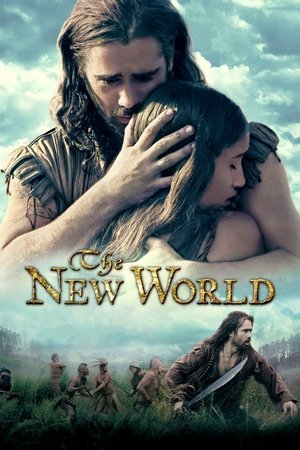
A drama about explorer John Smith and the clash between Native Americans and English settlers in the 17th century.
Mohawk archaeologist Baptiste Asigny engages in a search for his ancestors following a tragic terrain slump in the Percival Molson Stadium.
Filmed during the 2016 Standing Rock protests in South Dakota, Sky Hopinka's Dislocation Blues offers a portrait of the movement and its water protectors, refuting grand narratives and myth-making in favour of individual testimonials.
A documentary account by award-winning filmmaker John Ferry of the events that led up to the 1969 Native American occupation of Alcatraz Island as told by principal organizer, Adam Fortunate Eagle. The story unfolds through Fortunate Eagle's remembrances, archival newsreel footage and photographs.
A meeting of the Far West Council elders inspires a discussion of Northwest Native American history and traditions, and the struggle to remember and honor their ancestry
The documentary adresses the meaning of music and the musical diversity present in Umbanda (a Brazilian religion with afroindigenous roots). With interviews with four umbandistas from Fortaleza - Ceará, Crossroads of the Sound pays reverence to the enchanted dimension where the sounds cross each other to make the spirits dance.
In war-torn colonial America, in the midst of a bloody battle between British, the French and Native American allies, the aristocratic daughter of a British Colonel and her party are captured by a group of Huron warriors. Fortunately, a group of three Mohican trappers comes to their rescue.
New York trapper Tom Dobb becomes an unwilling participant in the American Revolution after his son Ned is drafted into the Army by the villainous Sergeant Major Peasy. Tom attempts to find his son, and eventually becomes convinced that he must take a stand and fight for the freedom of the Colonies, alongside the aristocratic rebel Daisy McConnahay. As Tom undergoes his change of heart, the events of the war unfold in large-scale grandeur.
Beginning just after the bloody Sioux victory over General Custer at Little Big Horn, the story is told through two unique perspectives: Charles Eastman, a young, white-educated Sioux doctor held up as living proof of the alleged success of assimilation, and Sitting Bull the proud Lakota chief whose tribe won the American Indians’ last major victory at Little Big Horn.
In this evocative meditation, a disturbing link is made between the resource extraction industries’ exploitation of the land and violence inflicted on Indigenous women and girls. Or, as one young woman testifies, “Just as the land is being used, these women are being used.”
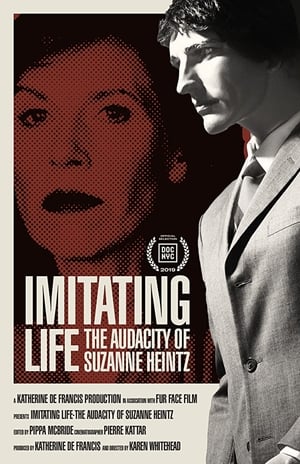
Satirical artist and art director, Suzanne Heintz, adopted her fake family more than 15 years ago to challenge persisting stereotypes about women's lives.
A Chippewa prophecy foretells a time called the 7th Fire when lost traditions will be recovered. Native American filmmaker Sandra Sunrising Osawa examines how the Chippewa Indians of Northern Wisconsin have struggled to restore the centuries-old tradition of spearfishing — and the heated opposition they have encountered.
Red Fever is a witty and entertaining feature documentary about the profound -- yet hidden -- Indigenous influence on Western culture and identity. The film follows Cree co-director Neil Diamond as he asks, “Why do they love us so much?!” and sets out on a journey to find out why the world is so fascinated with the stereotypical imagery of Native people that is all over pop culture. Why have Indigenous cultures been revered, romanticized, and appropriated for so long, and to this day? Red Fever uncovers the surprising truths behind the imagery -- so buried in history that even most Native people don't know about them.
Nóouhàh-Toka’na, known as swift fox in English, once roamed the North American Great Plains from Canada to Texas. Like bison, pronghorn and other plains animals, Nóouhàh-Toka’na held cultural significance for the Native Americans who lived alongside them. But predator control programs in the mid-1900s reduced the foxes to just 10 percent of their native range. At the Fort Belknap Indian Community in Montana, members of the Aaniiih and Nakoda tribes are working with the Smithsonian’s National Zoo and Conservation Biology Institute and other conservation partners to restore biodiversity and return Nóouhàh-Toka’na to the land.
In 1958 New York Diane Arbus is a housewife and mother who works as an assistant to her husband, a photographer employed by her wealthy parents. Respectable though her life is, she cannot help but feel uncomfortable in her privileged world. One night, a new neighbor catches Diane's eye, and the enigmatic man inspires her to set forth on the path to discovering her own artistry.