At 60 years old, Calthoum recalls his bittersweet journey to Brazil where memories of joy and anguish intertwine.
West Estate spotlights the severe housing problems in Hong Kong, taking the spirit of resistance outside of the protest. The damaged walls in the cage-like tenements reflect the many forms of social injustice as well as Hongkongers’ widespread sense of rootlessness. Connecting three stories from different households like puzzle pieces, the film depicts people’s despair over issues of family, sexuality, love, and freedom.
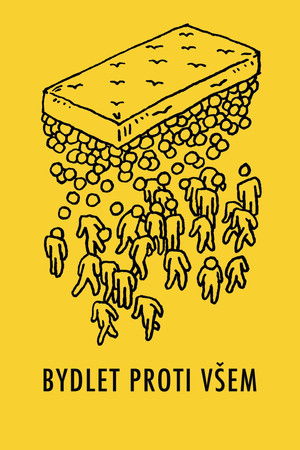
The availability of housing is a big topic today. It has the strongest impact on those who participate least in the public debate – low-income households, minorities or single women. The film follows a group of activists around Martin Freund, a representative and member of the Live Brno movement, as they try to persuade politicians in the second largest Czech city about their vision of affordable housing.
A Cor do Cinema
A highly sophisticated program documenting the night life of Bowling Green, Ohio.
An educational film sponsored and distributed by the Los Angeles-based Narcotic Educational Foundation of America and directed by Gilbert Lasky with financial assistance of the Woman’s Relief Corps targets teachers as well as junior and senior high school students in the war on drugs. Narcotics are classified and effects of opiates, stimulants, and barbiturates are summarized and dramatized
Located in Carcavelos, Quinta Nova de Santo António, or Quinta dos Ingleses, as it is recognized by the population, shelters a small community of people affected by the housing crisis. Natives and immigrants, deprived of a roof over their heads, carry on with their lives in search of better opportunities and a breeze of change. Guided by residents' voices, this documentary is based on the adaptability of human beings in the face of life's adversities and their constant pursue of happiness.
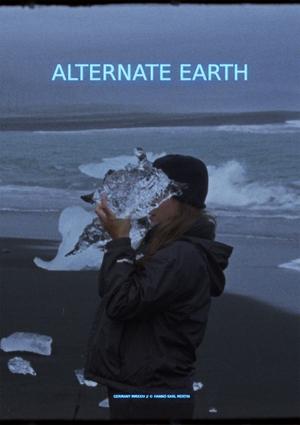
A scientific expedition travels to an alternative Earth in hope of finding a new home for humanity, which has destroyed its own planet. But is it even possible to escape old patterns?
Departing from peripheral details of some paintings of the Bilbao Fine Arts Museum, a female narrator unravels several stories related to the economic, social and psychological conditions of past and current artists.
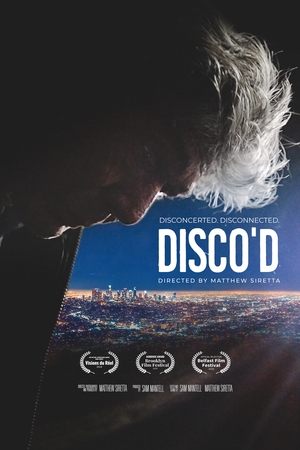
“Set against the rattle of shopping carts and the white noise of L.A. traffic... “Disco’d” is an unvarnished, moving look at the lives affected by the rising crisis of homelessness.” —Los Angeles Times
A documentary film about trading security and stability for passion. A surprising number of small businesses and niche restaurants originate and thrive in the small college town of Provo, Utah. A senior capstone project at Brigham Young University.
Homelessness in the United States takes many forms. For Elizabeth Herrera, David Lima and their four children, housing instability has meant moving between unsafe apartments, motels, relatives’ couches, shelters, the streets and their car. After 15 years of this uncertainty, the family moved into their first stable housing — an apartment in the San Francisco Bay Area — in the midst of the coronavirus pandemic.
Because of the big housing problem in the US many people move into cheap, run down hotels, the so-called Flophouse hotels. Twelve-year-old Mikal was born and raised in a hotel room he shares with his parents, who struggle with substance abuse. Driven by love and a desire for a better life, his greatest wish is for his mother to stop drinking. Mikal is bright and articulate, but his parents’ struggles prevent them from giving him the stability he needs. Through Mikal’s perspective, the film paints an intimate portrait of resilience, hope, and the harsh realities of life on society’s margins.
Le train fou de la Gare de Lyon
Two unhoused men turned community leaders— John and LaMonté —organize their neighbors in the face of displacement, addiction, and a failing social system.
UC Berkeley students go on a nude boat trip, and go skinny dipping.
A visual essay on the stimuli that draw a bridge to past memories of my life; a real documentary about where I was and where I am, what I did and what I do; a reflection of the person I was and continue to be.
Bambini dell'acquedotto
Between 1968 and 1970, J M Goodger, a lecturer at the University of Salford, made a film record of the living conditions in the slums of Ordsall, Salford, which were then in the process of being demolished. Under the title 'The Changing face of Salford', the film was in two parts: 'Life in the slums' and 'Bloody slums'.
Vita di borgata