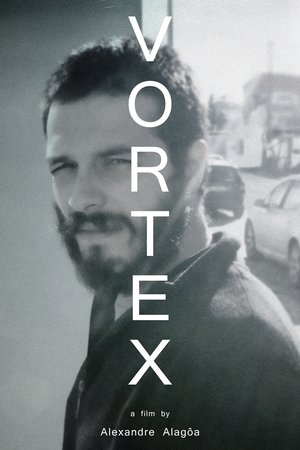
A corridor of an apartment is transformed into a claustrophobic and vertiginous vortex that swallows and imprisons you in an infinite fall through a mise en abyme: it’s a pure enclosure inside the image world, it’s the Descent into the Maelstrom.
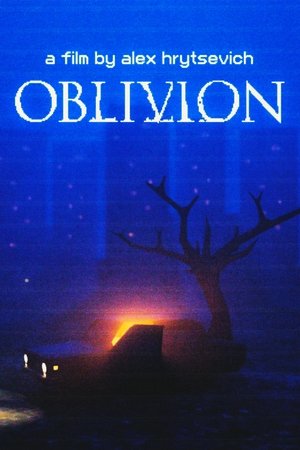
A lone passenger is reflected in the windows of a train crawling through layers of textures towards Minsk. During his absence, the city has not changed: all the streets are frozen, long-gone voices can be heard in the empty rooms and around the corner you can find yourself in a video game from your childhood.
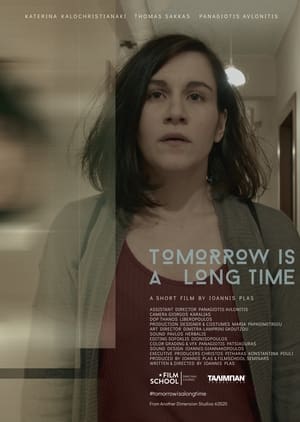
Inside a block of flats, a young woman decides to act about something concerning her for a long time.
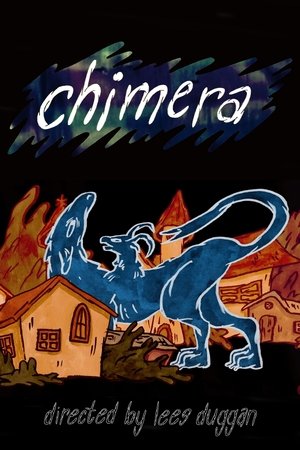
A child is attacked and turned into a chimera and must learn to navigate his strange world as an entirely new kind of being.
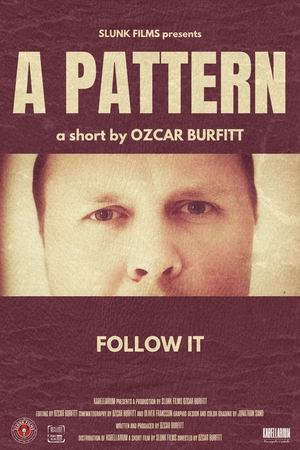
A man starts following a pattern.
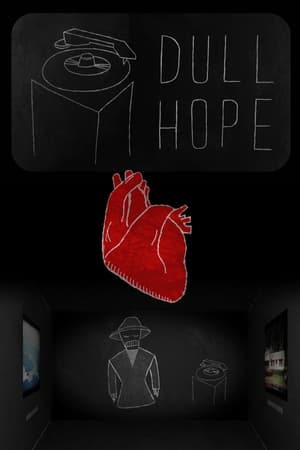
Suppressed memories reach a boiling point. An animated tale of longing. “The Experimental section saw Non Films’ Dull Hope scoop the premier place as category winner. Half animation and half movie footage, this hybrid resonated very much with the judging panel who deemed it to be a sad dirge on personal memories and heartbreak.” – The Guardian Directed & Animated by Brian Ratigan Music & Sound Design by Nick Punch (R.I.P.) Produced by Non Films
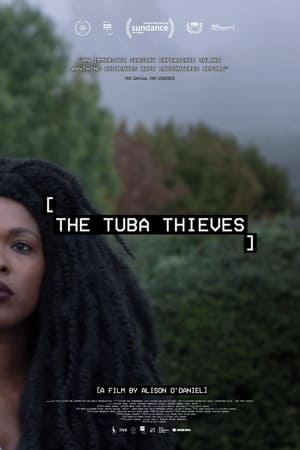
A spate of robberies in Southern California schools had an oddly specific target: tubas. In this work of creative nonfiction, d/Deaf first-time feature director Alison O’Daniel presents the impact of these crimes from an unexpected angle. The film unfolds mimicking a game of telephone, where sound’s feeble transmissibility is proven as the story bends and weaves to human interpretation and miscommunication. The result is a stunning contribution to cinematic language. O’Daniel has developed a syntax of deafness that offers a complex, overlaid, surprising new texture, which offers a dimensional experience of deafness and reorients the audience auditorily in an unfamiliar and exhilarating way.
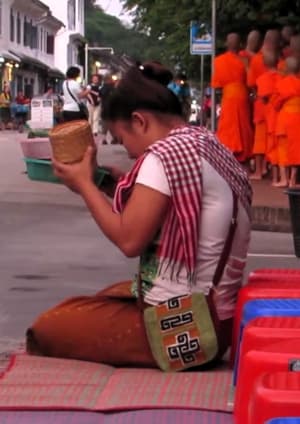
A haiku film poem. the early morning waiting for the monks. the voices. the fire. the wat drum.
editing experiments with backdoor blinds, more dancing
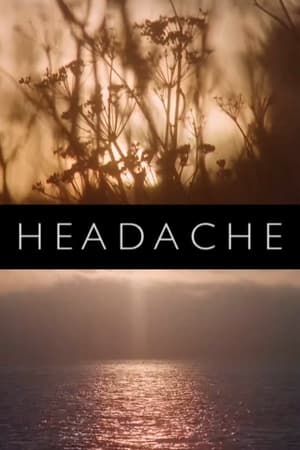
A dreamy, impressionistic 16mm film of light on water, comprised mostly of sepia tones.
An inexperienced astral projector seeks his grandmother’s wisdom after meeting an uncanny woman in a place transcending reality.
a haiku films, a poem by Nha Thuyen
As the day ends for a worn-out office worker, he encounters the mysterious gaze of a chimpanzee, sparking a silent exchange that prompts him to make an irreversible decision.
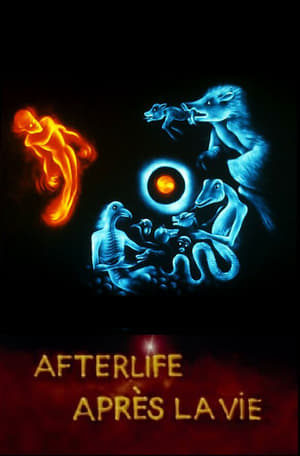
This animated short film attempts to answer the eternal questions, What is dying? and How does it feel? Based on recent studies, case histories and some of the ancient myths, the afterlife state is portrayed as an awesome but methodical working-out of all the individual's past experiences. Film without words.
After the end of civilization, an aged man undergoes a mysterious journey through space and time that takes him through memories, visions, and historical events, ultimately transcending the limitations of the senses and into a new cosmic rebirth.
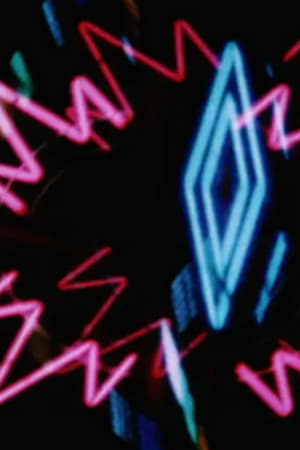
Vibrant, bursting with color (shot in the late, and much lamented Kodachrome) and ringing with bells and whistles, Wayne Sourbeer’s ode to the joys of the lowly pinball machine is a visual feast; Colored balls whiz, clink, and crash across the laminated landscapes. Dim bulbs illuminate the gaudy caricatures that stare back at the player. Neon lights flash in streaks of hot pink, red, and blue.
A re-telling of the annunciation story which blurs the sacred and the profane. The film combines many different optical film techniques with an exploration of drawing the human body which breeds Mickey Mouse with Michelangelo.
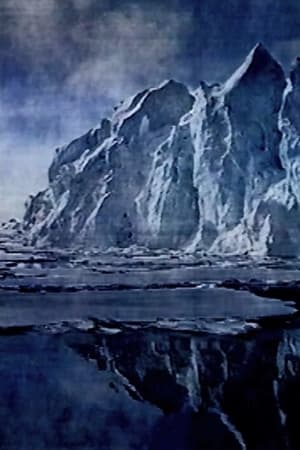
Arktis is a poetic approach to the bizarre landscape of ice, rock, and water; a journey to the arctic ocean and surroundings, with images and sounds. Seventy one-second scenes of the arctic serve as the original material, which is then transformed in its texture, time lapse, color and light qualities to create a material reminiscent of landscape painting. The sound collage uses fragments from sounds of nature and samples from a piece of music for violin and song, which are also transformed in a manner similar to that of the visual pictures. (Jürgen Reble)
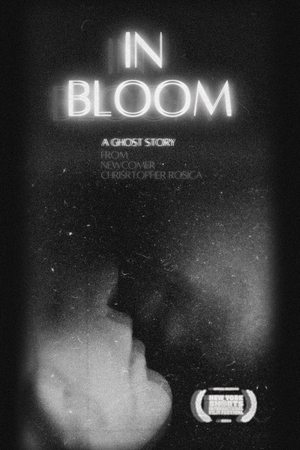
In Bloom is an abstract Gothic Romance short film by writer-director Christopher Rosica, blending experimental cinema with the timeless themes of love, loss, and memory. Crafted with a meticulous attention to atmosphere, the film offers a haunting exploration of the boundaries between the living and the dead. Shot in evocative black-and-white on a Fujifilm XT-30 by up-and-coming cinematographer, Xuepei Hou, In Bloom pays homage to the aesthetic traditions of visionary filmmakers such as Bergman, Tarkovsky, and Fellini, while drawing narrative inspiration from literary icons like Mary Shelley and Henry James.
Seeing himself as a form unable to experience intimacy, he is given the chance when brought to the household of twin sisters.