After four years away, Huiju returns home to South Korea. Exchanges with her loved ones are awkward and clumsy. Huiju turns once again to her familiar rituals: pruning the trees, preparing a sauce, tying a braid.
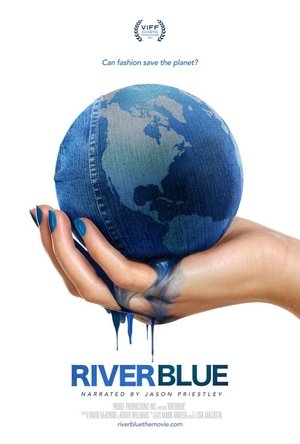
RiverBlue chronicles an unprecedented around-the-world river adventure, led by renowned paddler and conservationist, Mark Angelo, who ends up uncovering and documenting the dark side of the global fashion industry.
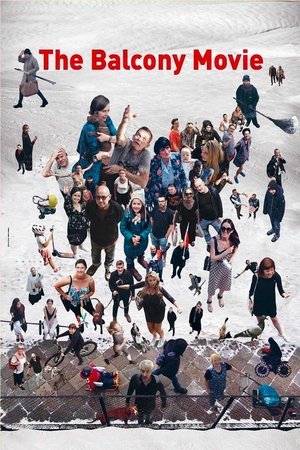
Composed from the conversations that the director holds with people passing by in the street under his Warsaw apartment, each story in 'The Balcony Movie' is unique and deals with the way we try to cope with life as individuals. All together, they create a self-portrait of contemporary human life, and the passers-by present a composite picture of today's world.
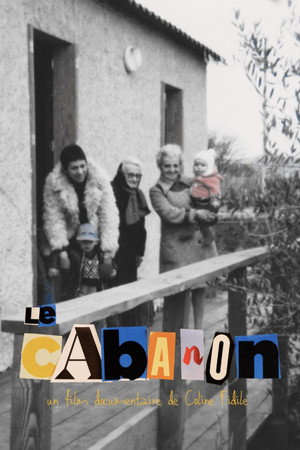
From the 60's, the neighborhood of Pedra de Guaratiba, in Rio de Janeiro, was invaded by a varied artistic community.
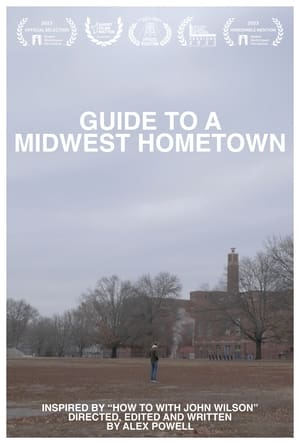
Coming back during Winter, Alex Powell explores both the places and personal connections found in his hometown and how they've changed. “Guide to a Midwest Hometown” explores what makes the barren places at home feel sentimental and special, and the good and bad feelings that come when being back home. Inspired by "How To With John Wilson".
Documents the cultural and ecological impacts of coal stripmining, uranium mining, and oil shale development in Utah, Colorado, New Mexico, and Arizona – homeland of the Hopi and Navajo.
Documentary chronicling the government relocation of 10,000 Navajo Indians in Arizona.
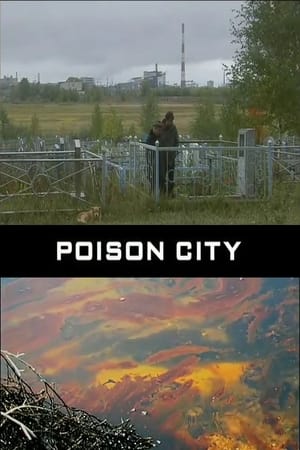
Dzerzhinsk, a Russian city 240 miles east of Moscow, is considered the most chemically polluted town on Earth. Factories producing industrial chemicals (and in Soviet times, chemical weapons) employ a quarter of the 300,000 residents in a city where life expectancy has fallen to 42-47 years, the death rate is 2.6 times higher than the birth rate, and the men are close to impotence. Reporter Tim Samuels recorded a series of in-depth interviews with the inhabitants of Dzerzhinsk for the Correspondent strand, revealing what life is like for the beleaguered populace.
Calçada
Anthopos tells the story of a centenarian character from his birth to his death.
The director’s diary told in still images of a dramatic period in which he becomes first a father and then almost loses the love of his life when his girlfriend – filmmaker Lea Glob – goes into a coma after giving birth.
When nature is destroyed, climate targets are disregarded and human rights are violated, there is always a lot of money behind it. This is where urgewald comes in. Since 1992, the environmental and human rights organization has been revealing the sources of money behind destructive projects. Over 30 years ago, a handful of activists gathered around a table in a shared flat to form the basis of the organization. Since then, the small club in the Münsterland province has become a recognized, powerful organization.
After being tasked with creating a piece of work summarizing their filmmaking journey, 18 year old Lewis Bedford reflects on their history in film and video.
The Text Allows No Interpretation is a personal essay documentary displaying the director’s conversation with his trauma in a stream of consciousness. The moments in photographs and videos are set in temporal disarray, meeting the superimposed phone calls speaking to and around the trauma from the past. The ever-present noise of repetition is created through jumps between memories of fear and death during the decade-old Arab Spring to insomnia and anxiety emerging through the footage of NATO military exercises on the borders of Russia.
After decades of growth and ostentation, when every excess was allowed, the fashion industry is currently at a turning point, caught up in the political issues that are reshaping our times: climate change and sustainable development, cultural representation and appropriation, equality, gender issues... Brands and creators are now subject to increasingly sharp public scrutiny. How is the fashion industry facing these challenges and responding to this new paradigm? Based as it is on the concept of planned obsolescence, can fashion survive?
Florida, Man is a "mostly real" faux documentary exploring filmmaker Evan Jordan's haunted past and future possibilities - shot on location in his hometown and featuring a roster of extended family, friends, and other colorful characters from the American South.
Filmed across Italy, Moldova, and Romania, Tata is a raw portrait of a family locked in a relentless struggle against toxic masculinity and the tale of a daughter’s poignant quest to break the cycle for herself, the next generation, and even for the one who hurt her.
Film-dossier on workers' struggles against industrial diseases.
The Weight of Sight is a playful and very personal essay where director Truls Krane Meby, through a massive archive of his own material - anything from DV-tapes to 35mm - explores the last 20 years of digital development - how it’s influenced the images we make, and our bodies. What kind of images do we get of the world now that everyone is a photographer, and what does it do with how we unfold our identities? How has the internet both captured and freed us? And will Truls even dare to show this film?
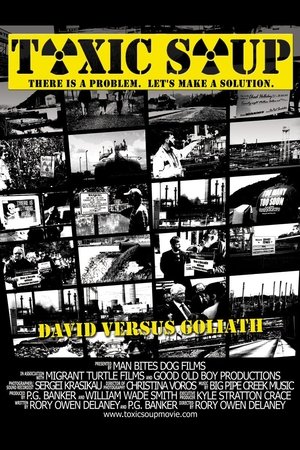
Acid rain, economic development, and a century of mining pollute Rocky Mountain waters.