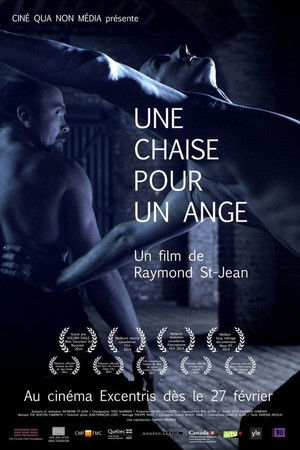
For two hundred years, the Shakers have been America's most successful utopian society. While seeking harmony, order and perfection in every aspect of their lives, they built minimalistic furniture and buildings that influenced modern design. The Shakers wrote songs of exquisite beauty and danced to the point of ecstasy during their religious meetings. Inspired by this music and dance, choreographer Tero Saarinen created Borrowed Light, a dance piece about communal life and individual sacrifice. Shot in Finland and the United States, featuring interviews and excerpts from Borrowed Light, this documentary explore the cultural legacy of this religious group devoted to creating heaven on earth.
Titien : au royaume des couleurs
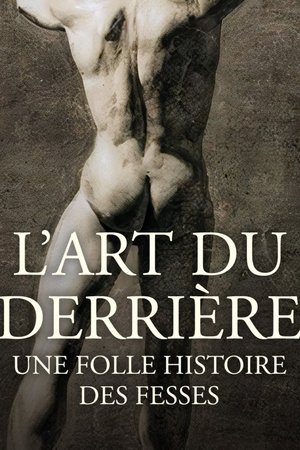
"Do you think I have a cute bottom?" From Brigitte Bardot's cult line in "Le Mépris" (Contempt), to Mireille Darc's iconic lower back, bottoms have long been the subject of every fantasy. And have often been represented in art! A story of eroticism, but also of censure
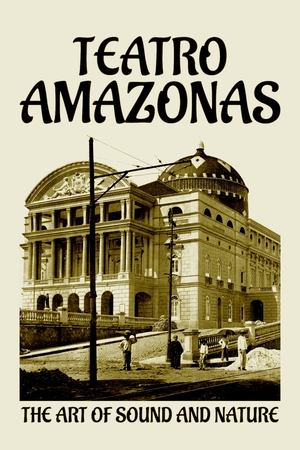
The history of the Teatro Amazonas in Manaus, an opera house located in the middle of the Amazon rainforest, whose construction, between 1884 and 1896, depended on the labor exploitation of the local indigenous populations, provides an insight into the cultural, social and political situation in Brazil.
Kingdom of Granada, al-Andalus, 14th century. After recognizing that his land, always under siege, is hopelessly doomed to be conquered, Sultan Yusuf I undertakes the construction of a magnificent fortress with the purpose of turning it into the landmark of his civilization and his history, a glorious monument that will survive the oblivion of the coming centuries: the Alhambra.
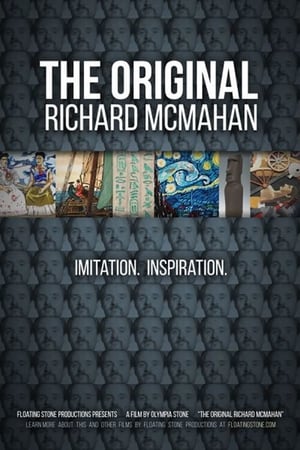
The multi-talented outsider artist Richard McMahan is on a quest to painstakingly re-create thousands of famous and not-so-famous paintings and artifacts–in miniature.
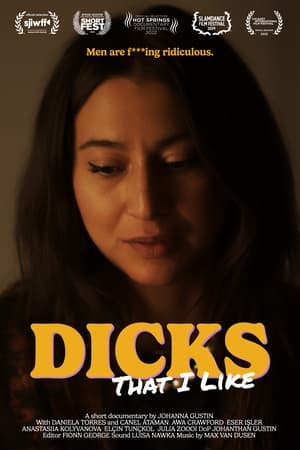
Visual artist Daniela Torres creates colorful ceramic dick sculptures inspired by the men who have been dicks to her. In this intimate artist portrait, Daniela shares her struggles, anger and catharsis as she creates a sculpture modelled after a series of unsolicited dick pics. She also shares her process with a diverse group of women who come together in one of her popular Berlin-based dick sculpting workshops. It's a hands-on approach to healing trauma that yields beautiful results.
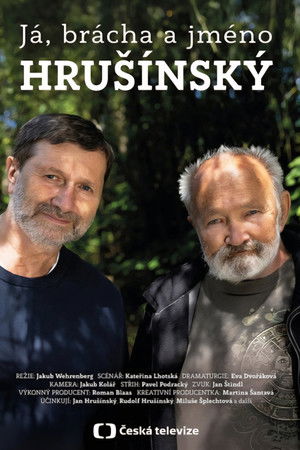
According to family legend, the name Hrušínský was born after Rudolf and Jan Hrušínský's grandfather Rudolf Böhm was caught stealing pears on a theater stage. The German name Böhm suddenly became Hruškovský and shortly after that Hrušínský. Grandfather Rudolf, later known as Rudolf Hrušínský the eldest, adopted the surname as his own and began using it in 1935. However, the history of the Hrušínský acting family goes back much further. It is therefore not surprising that the brothers Rudolf and Jan also took the same path. The documentary charts their acting beginnings alongside their father Rudolf Hrušínský Sr., from their first roles, through theater engagements at the Drama Studio in Ústí nad Labem and the Drama Club in Prague, to unforgettable film and television roles, when three generations of Hrušínskýs often met in front of the camera.
Samba, Popping, and Jazz. Through these dance styles and documentary interviews, Bodies That Tell Stories seeks to discuss the standardization and whitening of dances that had their roots in Black people.
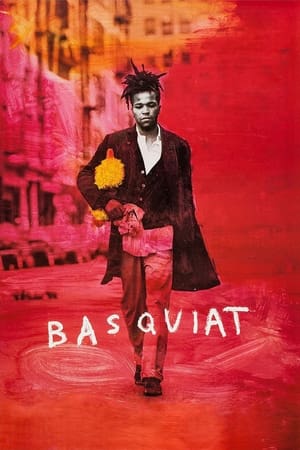
The brief life of Jean Michel Basquiat, a world renowned New York street artist struggling with fame, drugs and his identity.
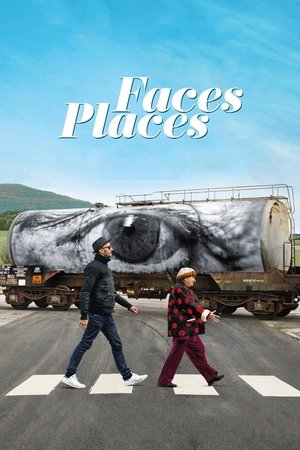
Director Agnès Varda and photographer/muralist JR journey through rural France and form an unlikely friendship.
A daughter is constantly overshadowed by her famous father, but she is determined to make her own mark in the world.
Everyone thinks that Bob Kane created Batman, but that’s not the whole truth. One author makes it his crusade to make it known that Bill Finger, a struggling writer, actually helped invent the iconic superhero, from concept to costume to the very character we all know and love. Bruce Wayne may be Batman’s secret identity, but his creator was always a true mystery.
Take a seat with us at FIRE’s first-ever classical music concert in support of free expression: “Outspoken: Music for Free Speech.” At the podium is conductor Rebecca Bryant Novak, a former doctoral student at the University of Rochester’s Eastman School of Music. Taking the stage for the first time since she was expelled without due process after speaking out about alleged harassment, Rebecca leads an all-volunteer orchestra in an unforgettable evening of music. Internationally acclaimed musicians, violinist Lara St. John and oboist Katherine Needleman, bring the stage to life with works by composers who themselves faced censorship, from Mozart to Shostakovich. Between performances, FIRE staff and special guests reflect on why free expression is essential for artists, and for all of us. The arts cannot thrive without free expression. Thank you to everyone who made this night possible!
“Sisters” is a deeply personal story about my journey back to my home country of Venezuela to investigate the possibility of a long lost sister.
This film explains what James Ensor (1860-1949) meant for the development of art and makes palpable where he got his inspiration from.
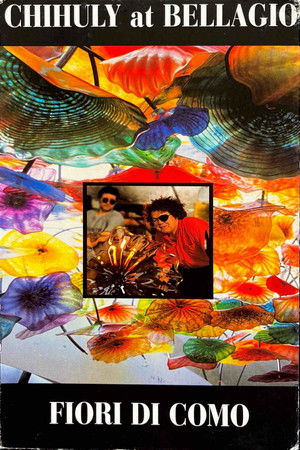
The man who made glassblowing an American art form meets the challenge of a lifetime with Stephen Wynn's 1998 commission of the world's largest glass sculpture. Watch as Chihuly creates, for the lobby of the luxurious Bellagio Resort, Fiori di Como, an explosion of color and light featuring over 2,000 "flowers" hand-blown from molten glass.
Katherine Watson is a recent UCLA graduate hired to teach art history at the prestigious all-female Wellesley College, in 1953. Determined to confront the outdated mores of society and the institution that embraces them, Katherine inspires her traditional students, including Betty and Joan, to challenge the lives they are expected to lead.
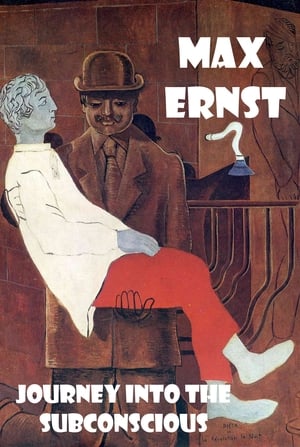
The inner world of the great painter Max Ernst is the subject of this film. One of the principal founders of Surrealism, Max Ernst explores the nature of materials and the emotional significance of shapes to combine with his collages and netherworld canvases. The director and Ernst together use the film creatively as a medium to explain the artist's own development.
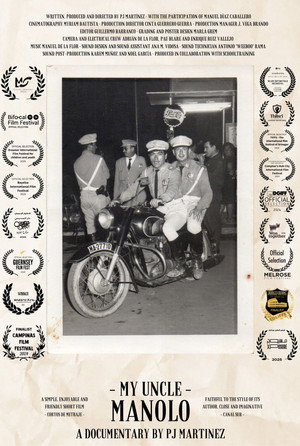
Focused on the experiences of Manuel "Manolo" Díaz Caballero, who was a local police officer in Malaga for more than 30 years, his memories of those years are the subject of this documentary.