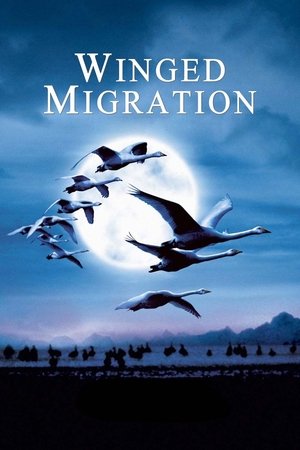
This documentary follows various migratory bird species on their long journeys from their summer homes to the equator and back, covering thousands of miles and navigating by the stars. These arduous treks are crucial for survival, seeking hospitable climates and food sources. Birds face numerous challenges, including crossing oceans and evading predators, illness, and injury. Although migrations are undertaken as a community, birds disperse into family units once they reach their destinations, and every continent is affected by these migrations, hosting migratory bird species at least part of the year.
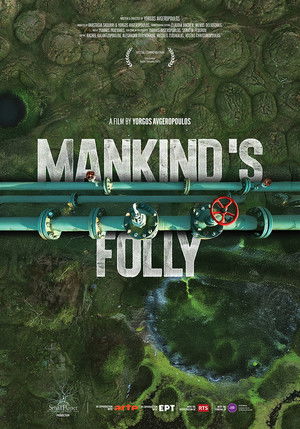
From both ends of the Arctic, Nikita in Siberia and Martha in Alaska send a distress signal as the ground sinks beneath their feet and fossil fuel companies greedily expand into the far north.
Cıva Burnu "Turkuaz"
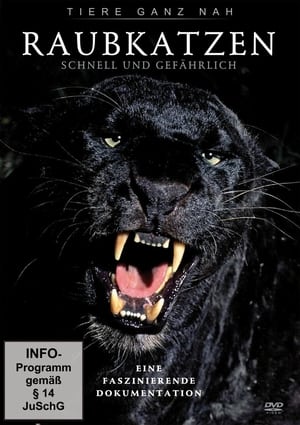
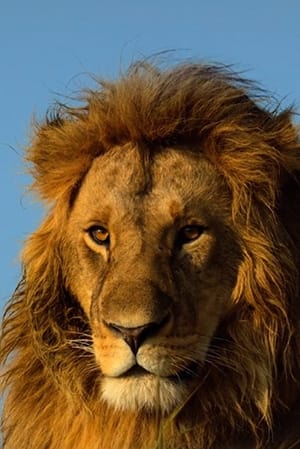
The vast savannah of the Serengeti. A large part of the genus Panthera lives here. Better known as the "actual big cat". They are among the largest cat species on earth. Among them is the lion, the true predator beneath the vast African sky. 'The King of Africa', male specimens of which weigh up to 270 kg, captured in breathtaking images that show the fascinating world of the big cats. Funny, tragic and spectacular recordings also document the fastest animal in the world, the cheetah, follow leopards on your trail and experience the first days of a black panther.
Das geheime Leben der Rothirsche
AMAZON 3D
Emily Young, a senior, wants to be elected as her sorority's president. She adopts a cute sloth, thinking it can become the new mascot and help her win, until a string of fatalities implicate the sloth as the main suspect in the murders.
Orcas asesinas - Inteligencia al máximo
Serengeti, one of the last great biodiversity oases on the planet. A place where nature still reigns supreme. But how long will this idyllic image last?
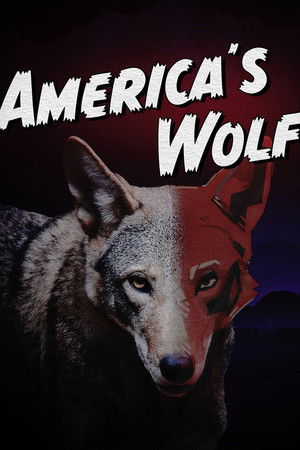
Long ago, red wolves roamed from the bayous of East Texas to the bays of coastal New York. Today, not even 20 remain in the wild—confined to a tiny pocket of habitat in far Eastern North Carolina. This short film uses over four years' worth of National Geographic Explorer Jess Suarez's photographs to tell the imagined story of one young wolf. Raised in captivity, she's eventually released into that last remaining habitat, and in the wild she finds freedom, danger, and the possibility of a new future for her species. Long ago, the red wolf was America's wolf, and with our help they could be again.
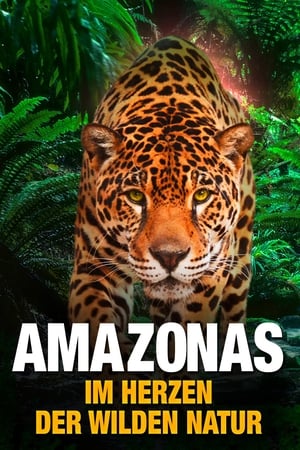
A nature-loving race car driver embarks on a bold conservation project, habituating the largest cats in the Americas to human contact and interaction.
Le peuple du requin et moi
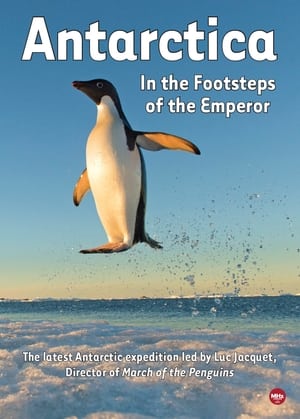
Gombessa Expedition 3 Protected by an international treaty Antarctica has been spared the effects of hunting and fishing. But signs in ice’s cyclical patterns and its biodiversity have become worrying. Connected to the planet’s global ecosystem via atmospheric circulation and ocean currents, this white haven is suffering the effects of human activities. To document and explain what is unfolding in Antarctica, photographer, diver, and marine biologist Laurent Ballesta and photographer of extreme environments Vincent Munier will be blending their artistic perspectives of a rapidly changing continent. Laurent will tackle technical and human prowess below the ice to bear witness to its remarkable underwater life. His photographs will advance knowledge on Antarctica’s unique and little-known biodiversity. On land, his eye riveted to the lens of his camera, Vincent captures snapshots of life in an Emperor Penguin colony.
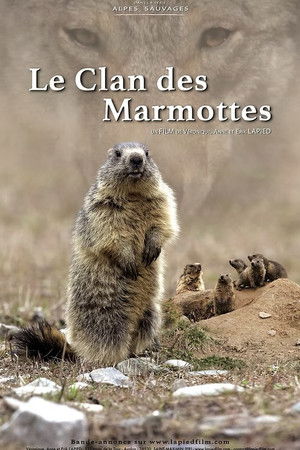
The marmot is a beloved and iconic animal of the Alps, known for its chubby figure and entertaining demeanor. In the film, we follow the life of Mox, a young male who emerges from his burrow at 6500 feet altitude for the first time after four weeks of being born. He has a limited window of time to build up enough fat reserves to survive his six-month hibernation underground. During this period, Mox engages in playful activities with his peers, mutual grooming, and feasts on succulent plants. He also learns to identify the scent of each colony member, the peaceful presence of chamois and ibex, and the dangers that lurk above. When Mox wakes up the following year from hibernation, he is exhausted, emaciated, and vulnerable to predators such as eagles, foxes, and wolves that still roam the snow and avalanche-covered slopes.
Les Mégafeux, la nouvelle guerre du feu
The Coyote: Yellowstone's Underdog
Le lac Tanganyika, la source de vie de l'Afrique
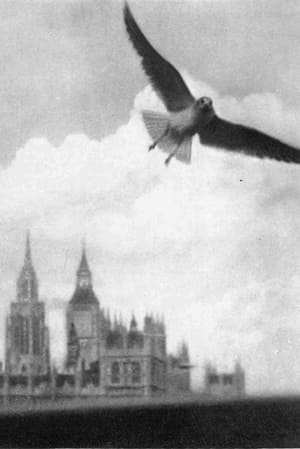
The film takes us to the North of England to follow the migration of the black-headed gull down to London. There, the narrator asks viewers to "listen to their gossip", before demonstrating the bird’s flight in slow motion. We see a polecat feasting on gull eggs, and then a man collecting the eggs for human consumption, with the film telling us that they are considered a “delicacy” in London. Indeed, according to the British Trust for Ornithology, around 300,000 gull’s eggs were sold every year in Leadenhall Market in London during the 1930s, when London Visitors was made.
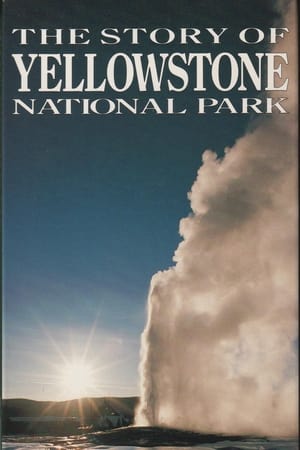
Marvel at "Old Faithful" erupting, vast rolling forests, abundant wildlife, thundering waterfalls, gurgling hot springs and mud pots, and the beautiful, haunting wilderness. Over 2.2 million acres located in the northwest corner of Wyoming, the great Yellowstone National Park was founded in 1872. The superb camera work of Dale Johnson and Bob Landis captures the natural wonders that captivated the early mountain men of the 1840s: petrified forests, mountains of glass and rivers that cooked fish. Thrill to rare and dramatic wildlife action; an antelope doe chasing a coyote from her young, a grizzly pursuing an elk in a life and death chase, a coyote matching wits with an otter; northern elk migrating in deep snow and bighorn sheep in mating battles. See the Yellowstone fire of 1988, and the charred land in full bloom. Ride with a park range into the backcountry. Enjoy a stagecoach ride to a sunrise cookout. It's all here, the magic of the great Yellowstone.
Wolves divide and fascinate us. 150 years after they were driven to extinction in Central Europe, they are returning slowly but inexorably. Are they dangerous to humans? Is it possible to coexist? Using Switzerland as a point of departure, where wolves have returned in the very recent past, this documentary sheds light on the wolf situation in Austria, eastern Germany, Poland, Bulgaria, and even Minnesota, where freely roaming packs of wolves are more common sight.