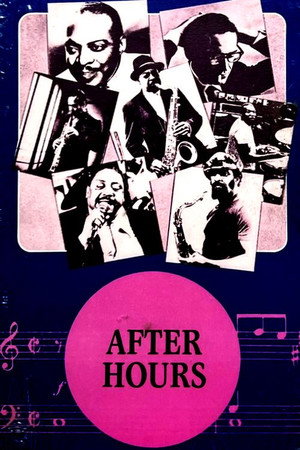
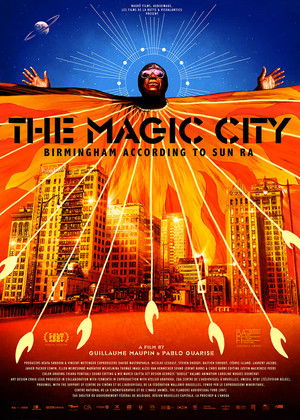
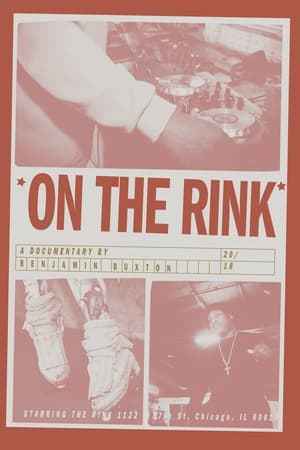
A music documentary made with Sun Ra.
Denver’s iconic and Grammy Award-winning musicians reveal the secrets of their success and longevity in the music business while warning the young lions to whom they pass the torch to stay relevant in a marketplace both treacherous and brutal. The majestic Rocky Mountains tower over a bustling metropolis filled with steamy and romantic nightclubs where jazz flourishes on stage. JazzTown features never seen before live concert footage on historic stages that have now crumbled due to economic stresses of the Covid Pandemic. ~ Dianne Reeves, 5-time Grammy Award winner for Best Jazz Vocalist ~ US Senator John Hickenlooper (former jazz club owner) ~ Ron Miles (Colorado Music Hall of Fame, Joshua Redman, Bill Frisell, Ginger Baker) ~ Charlie Hunter (Snarky Puppy, Christian McBride, Stanton Moore) ~ Art Lande (Mark Isham, Gary Peacock) ~ Ayo Awosika (Session Singer on Soundtracks to: Wakanda Forever, Nope, Dune, The Lion King ... tours with Miley Cyrus,) and many more.
In 1955, on his report, a medical examiner wrote in the box: age, “about 53 years”. Charlie Parker nicknamed Bird just died, at 34. His death will be the ransom of a life that was not denied to the excesses or the consuming flame of genius. His wildest improvisations will open the door to future jazzmen. Between shadow and light this film will pay tribute to one of the greatest musicians of the 20th century.
Tenor saxophone master Sonny Rollins has long been hailed as one of the most important artists in jazz history, and still, today, he is viewed as the greatest living jazz improviser. In 1986, filmmaker Robert Mugge produced Saxophone Colossus, a feature-length portrait of Rollins, named after one of his most celebrated albums.
Created from public television's popular Over series, this is a tour unlike any other! Fly above landscapes and landmarks in Alaska; the Pacific Northwest; California; the Southwest; Chicago; New York City; Washington, D.C.; and everywhere in between.
Cecil Taylor was the grand master of free jazz piano. "All the Notes" captures in breezy fashion the unconventional stance of this media-shy modern musical genius, regarded as one of the true giants of post-war music. Seated at his beloved and battered piano in his Brooklyn brownstone the maestro holds court with frequent stentorian pronouncements on life, art and music.
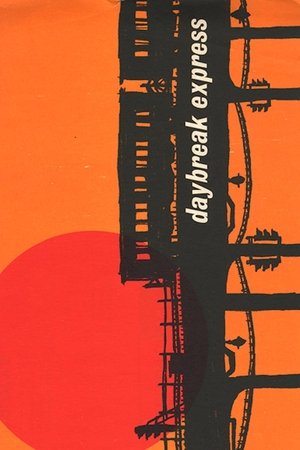
Set to a classic Duke Ellington recording "Daybreak Express", this is a five-minute short of the soon-to-be-demolished Third Avenue elevated subway station in New York City.
In the late 1990s, iconic photographer Bruce Weber barely managed to convince legendary actor Robert Mitchum (1917-97) to let himself be filmed simply hanging out with friends, telling anecdotes from his life and recording jazz standards.
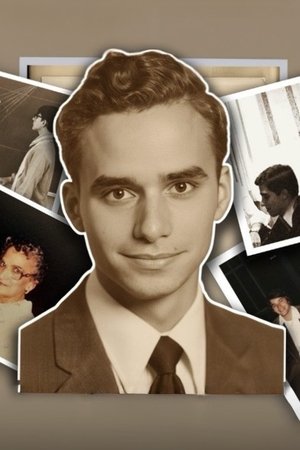
Tito del Amo, a passionate 72-year-old researcher, takes the final step to unravel the enigma about the alleged Spanish origin of the American cartoonist Walt Disney, making the same journey that his supposed mother made to give him up for adoption in Chicago. A journey that begins in Mojácar, Almería, Spain, and ends in New York. An exciting adventure, like Alicia's through the looking glass, to discover what is truth and what is not, with an unexpected result.
Stop for Bud is Jørgen Leth's first film and the first in his long collaboration with Ole John. […] they wanted to "blow up cinematic conventions and invent cinematic language from scratch". The jazz pianist Bud Powell moves around Copenhagen -- through King's Garden, along the quay at Kalkbrænderihavnen, across a waste dump. […] Bud is alone, accompanied only by his music. […] Image and sound are two different things -- that's Leth's and John's principle. Dexter Gordon, the narrator, tells stories about Powell's famous left hand. In an obituary for Powell, dated 3 August 1966, Leth wrote: "He quite willingly, or better still, unresistingly, mechanically, let himself be directed. The film attempts to depict his strange duality about his surroundings. His touch on the keys was like he was burning his fingers -- that's what it looked like, and that's how it sounded. But outside his playing, and often right in the middle of it, too, he was simply gone, not there."
A portrait of the diverse opinions of Chicagoans as they reflect on the general state of affairs in America, the war in Vietnam, social and racial conflict, freedom and personal liberty, happiness, and social justice. Ratamata was made by future Tom Palazzolo collaborator Kreines when he was 16 years old, and was an award winner at the Young Chicago Filmmakers Festival.
On stage since she was a toddler, Googoosh has been an icon of Iranian pop culture since the 1970s. Her progressive style and raw singing talent attracted worldwide acclaim and saw her performing alongside the likes of Tina Turner and Ray Charles. But the star's career came to an abrupt halt after the Islamic Revolution, which banned women from singing in public. Googoosh was placed under house arrest, where she remained for the next two decades. Niloufar Taghizadeh's documentary, which includes interviews with the charismatic singer (now in her seventies, but still performing and advocating for women and girls) and arresting archival footage, offers both a loving portrait of a national icon and a fascinating historical and cultural record of Iran.
WooLife chronicles Ronnie Woo's journey from an abusive childhood on the south side of Chicago to his adopted family in Wrigley Field. A young Ronnie becomes inspired after his grandma takes him to a Cub game in 1947 to see Jackie Robinson play. What Ronnie discovers in the bleachers of Wrigley Field is a foster family of Cub fans and players that awakens his spirit and saves him from homelessness. He finds his souls music by rejoicing 'Cubs Woo, Cubs Woo' in a way that inspires some of baseballs greatest players.
Mike Veeck, son of MLB franchise owner Bill Veeck, blows up his father's career. Exiled from the game he loves, the younger Veeck spends the next few decades clawing his way up from rock bottom, determined to redeem himself.
Stories and music of Black artists who relied on an underground travel guide to navigate the injustices of racial segregation while on the road. The Negro Travelers’ Green Book was a directory of lodgings, restaurants, and entertainment venues where African Americans were welcomed. Features performances and interviews with vocalists, musicians, activists, historians, and others.
In CATHEDRALS, filmmaker Dan Algrant embarks on a journey to reconnect with two black collaborators from a film made nearly 50 years ago. CATHEDRALS becomes a powerful exploration of the bonds that tie us together and the experiences that shape our identities. Through the lens of a creative collaboration, the film illuminates the struggles and triumphs that define life in a close-knit community, ultimately reaffirming the importance of human connection and the power of collective memory.
"It must schwing!" was the motto of Alfred Lion and Francis Wolff, two German Jewish immigrants who in 1939 set up Blue Note Records, the jazz label that was home to such greats as Miles Davis, John Coltrane, Herbie Hancock, Thelonious Monk, Art Blakey, Dexter Gordon and Sonny Rollins. Blue Note, the most successful movie ever made about jazz, is a testimony to the passion and vision of these two men and certainly swings like the propulsive sounds that made their label so famous.
1964, Autumn in Chicago. This was my 4th film, shot while waiting to go to prison for refusing to serve in the US military. Silent. B&W. I think it captures the sense of depression, of loneliness within the city. Looking back it seems almost archaic, Chicago as some kind of East Bloc country in Soviet times.
A documentary about the legendary series of nationally televised debates in 1968 between two great public intellectuals, the liberal Gore Vidal and the conservative William F. Buckley Jr. Intended as commentary on the issues of their day, these vitriolic and explosive encounters came to define the modern era of public discourse in the media, marking the big bang moment of our contemporary media landscape when spectacle trumped content and argument replaced substance. Best of Enemies delves into the entangled biographies of these two great thinkers, and luxuriates in the language and the theater of their debates, begging the question, "What has television done to the way we discuss politics in our democracy today?"
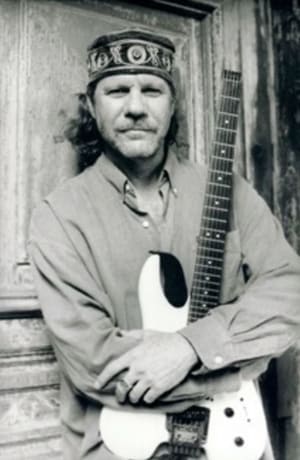
A documentary about the life and career of American jazz guitarist Tal Farlow