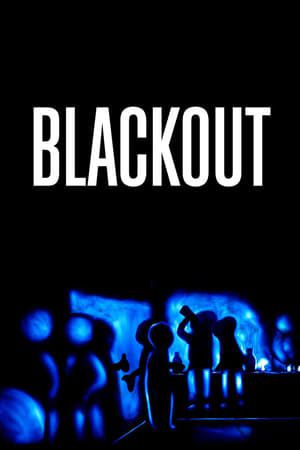
Blackout is a short, animated documentary about the 2003 power failure in much of the eastern seaboard of the U.S and Canada for up to 4 days.
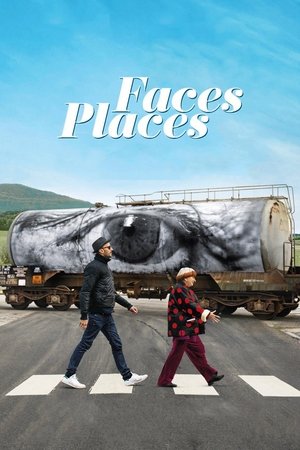
Director Agnès Varda and photographer/muralist JR journey through rural France and form an unlikely friendship.
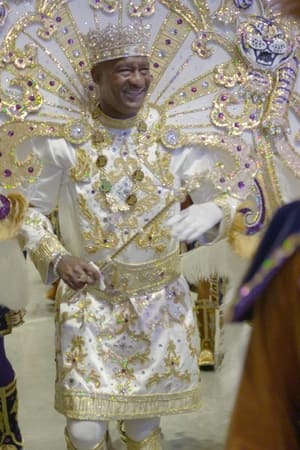
Follows members of the Zulu Club, New Orleans’ first Black Mardi Gras, as they work to bring the Zulu parade back to the streets for Mardi Gras Day 2022, in the face of a global pandemic, hurricane Ida and the loss of members due to COVID and gun violence.
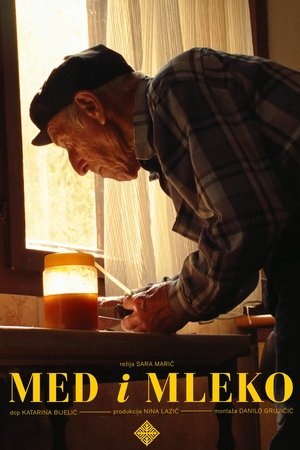
In a secluded village surrounded by forests and a river, an elderly beekeeper and a livestock farmer live alone, their lives shaped by tireless work and quiet harmony. Through one day in their hidden world, this documentary reveals the beauty and mystery of their bond with nature, far from the reach of modern life.
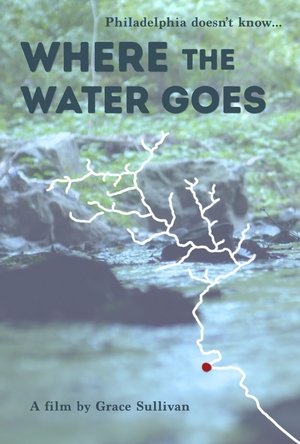
In Tacony Creek Park, home to one of Philadelphia's lesser-known watersheds, Julie Slavet and Malcolm Bundy reflect on their involvement with and love for the park, made bittersweet by the continuous and increasing amount of pollution that flows into its river. Combined wastewater and stormwater sewage outfalls have affected Philadelphia's rivers for years, but as one innovative program mitigates this for the Schuylkill and Delaware, Tacony gets left behind. Scientist Laura Toran educates the audience on green infrastructure and its potential positive impacts, while Slavet and Bundy discuss how they're still waiting—not without hope—for those impacts to reach their community.
The story of Nisar Ahmed Khan, told through his children and the people he served, a spiritual guide whose followers still visit his tomb on his birth and death anniversaries. And alongside how his family spends a few days at the village keeping his traditions alive.
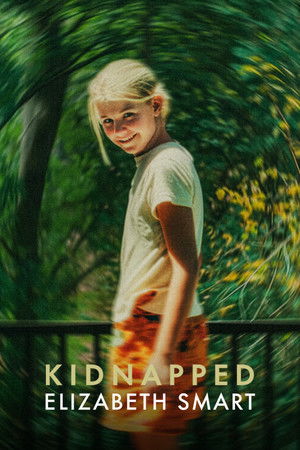
Elizabeth Smart's harrowing abduction at 14 from her family's Utah home unfolds through her own words and never-before-seen material in this documentary.
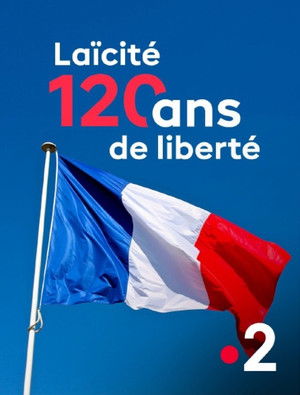
The 1905 law proclaiming the separation of church and state is 120 years old. This law affirms freedom of conscience and religious freedom. It is considered the founding text of secularism. Secularism is the subject of endless controversy and debate.
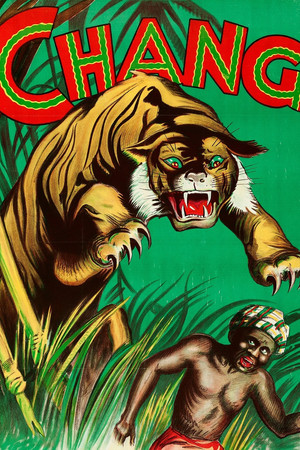
Elephants disrupt the lives of a family deep in the jungles of Northern Siam, and an entire village.
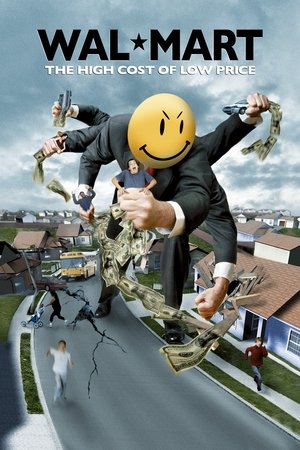
This documentary takes the viewer on a deeply personal journey into the everyday lives of families struggling to fight Goliath. From a family business owner in the Midwest to a preacher in California, from workers in Florida to a poet in Mexico, dozens of film crews on three continents bring the intensely personal stories of an assault on families and American values.
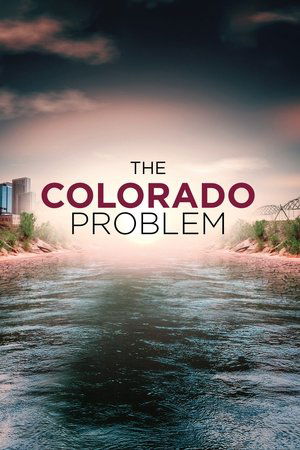
The Colorado River is the foundation of the American Southwest. But the confluence of a once-in-a-millennium drought, a hundred-year-old mistake, and a generations-old conflict have put the river-–and the civilization built atop it––in crisis, and at a crossroads. As the southwest continues to grow, and the river continues to shrink, time is running out to solve the problem of the Colorado.
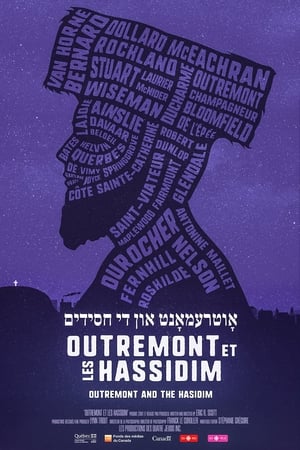
OUTREMONT AND THE HASIDIM reveals the challenges of accommodating the “Hasidim” – or ultra-Orthodox Jews – in the affluent Montréal borough of Outremont.Some 7,000 Hasidim live in or near this choice neighbourhood of Québec’s Francophone elite. After settling there more than 70 years ago, the Hasidim are a rapidly growing minority group which today represents about 23% of Outremont’s population.Thanks to unprecedented access to this self-isolated community, the film lifts the veil on its practices, traditions, music and life as they had never before been seen on Canadian television, without ignoring the community’s expectations, fears. and hopes.
A film that explores the space of intimacy shared by three people who live under the same roof. Ariana, an eight-year-old foster girl from the city of Sao Luis, Iban, an anthropologist of European origin who intends to make a documentary film, and Doña Eloisa, a native woman from Itamatatiua who works in ceramics. The members of this kind of family in transit find in common a feeling that binds them intimately: the feeling of loss. Ariana, Doña Eloisa and Iban have lived the experience of separation from their mothers. Human fragility will become the truth of their relationship, even more so after Sheyla's death.
Inspired by the original micropub craze in Kent, three entrepreneurial Londoners decide to open their very own micropub and revitalise their high streets through a love of real ale, conversation and community spirit.
Fontelonga is a village of Trás-os-Montes, in the interior of Portugal. A mirror of exile in the eyes of their own people. A reflexion where memory is the last object of beauty and redemption.
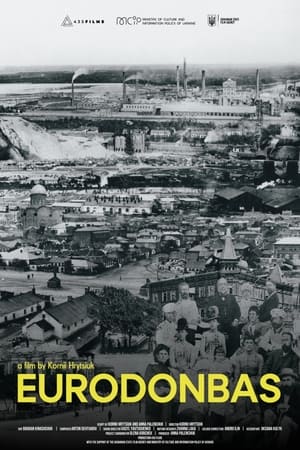
Throughout time, Eastern Ukraine (such as Donbas) has been referred to as a 'Russian world', but this is indeed not the case. The history of Donbas was re-written during the Soviet era. Although the Soviet Union edited out and withheld all references to the European background of this region from history books in schools and universities. There were, in fact, numerous French, Belgian, German, British, Polish, Swiss, Dutch, and even American settlements and more than 100 wide-scale enterprises in the region. Therefore, this film reveals the pro-European industrialization of Ukrainian Donbas at the turn of the 19th century. It aims to emphasize the European roots of Ukraine long before the official integration process of Ukraine into the EU in 2022.
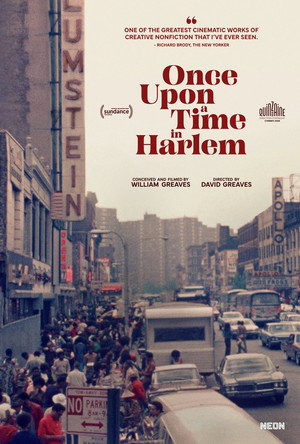
A decade after his death, genre-defying filmmaker William Greaves has one last trick up his sleeve with what he considered the most important event he captured on film: a 1972 party he engineered with the living luminaries of the Harlem Renaissance.
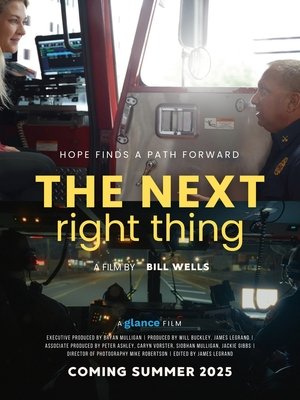
Four peoples’ lives are brought together by the opioid crisis in a small Georgia city. A seasoned firefighter saves the life of a young woman looking for purpose, while grieving parents fight to provide the support their son struggled to find.
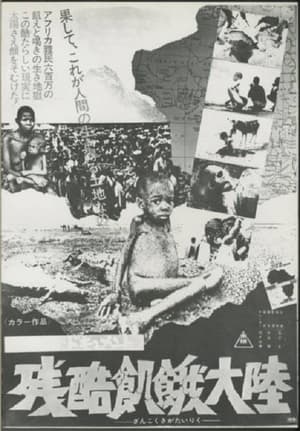
Cruel Famine Continent documents the Great Sahelian drought in West Africa and its effect on the people. The production was an attempt to pivot Toei's output from yakuza films and Toei Porn towards "global issues" and "whatever makes money", as stated by then-Toei president Shigeru Okada. Theatrical proceeds were to be shared as relief funds through the Japanese Red Cross, though the box office returns are unknown. Footage shot for the documentary by Yoshimitsu Banno would later be reused in the 1974 Toho production Prophecies of Nostradamus.
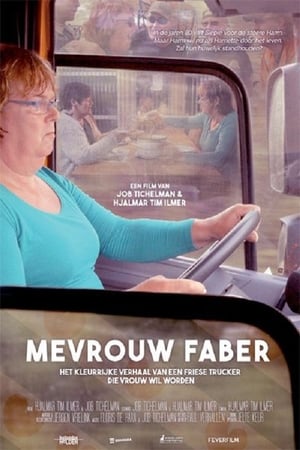
In the early eighties, the tough trucker Harm married the shy, country girl Siepie. Thirty years later Harm tells her that he wants to become a woman. That is difficult to hear for Siepie. Not only because she will lose her husband, but also because she is afraid of gossip in their small, Frisian village. Yet she gives Harm the space to openly live as Harriette.