An early silent film, made before intertites became common (which is why very early silent films are narrated, at best). This was filmed in 1907 but released in 1908. It was made at the request of Teddy Roosevelt, who saw coyotes being caught in Oklahoma *by hand*, and folks back east didn't believe him. While this movie is called "The Wolf Hunt", it was actually coyotes being caught, not wolves.
The Dangers of the Fly is an educational film made by Ernesto Gunche and Eduardo Martínez de la Pera, also responsible for Gaucho Nobility (1915), the biggest blockbuster of Argentinean silent cinema. De la Pera was a talented photographer, always willing to try new gadgets and techniques. This film experiments with microphotography in the style of Jean Comandon's films for Pathé and it is part of a series which included a film about mosquitoes and paludism and another one about cancer, which are considered lost. Flies were a popular subject of silent films and there are more than a dozen titles featuring them in the teens and early twenties.
The subject is a group of women bathing in a public swimming pool. The camera was placed on the edge of the pool and the full extent of the film shows the women in the pool. Only the heads and shoulders of most of the women are visible but it is possible to see they are wearing rented bathing attire.
This film shows the splendor, enormous scope and indescribable beauty of this untouched land far to the north of Alaska, one of the last havens for caribou herds and polar bears. Shot over a period of four years, this film offers a unique insight in the lives of the most charismatic arctic animals.
The wildlife of the tundra on Alaska's north coast is particularly threatened by climate change.
Montañas en armonía
Madrid, Spain, 1949. The Circo Americano arrives in the city. While the big top is pitched in a vacant lot, the troupe parades through the grand avenues: the band, a witty impersonator, the Balodys, acrobats, jugglers, acrobatic skaters, clowns and… Buffallo Bill.
Come fly with us in OVER ALASKA as we take off on a breathtaking tour of our 49th state. Soar over Mt. McKinley and through the craggy crevasses of electric blue glaciers. Follow the Iditarod and kayakers as they navigate past icebergs. Then touch down to Earth and get as close to bears, whales and wildlife as humanly possible.
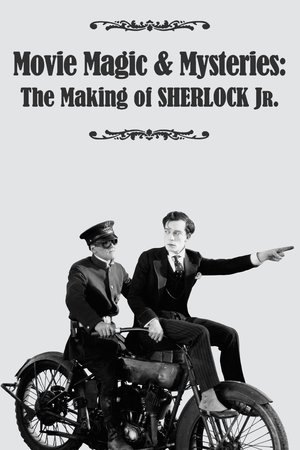
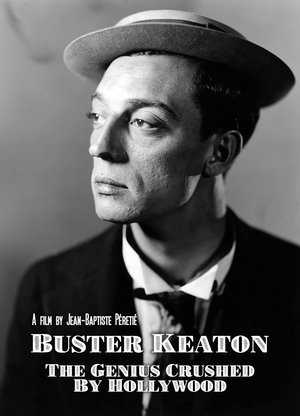
Documentary about the making of Buster Keaton's silent comedy classic, Sherlock Jr. (1924).
Roald Amundsen's South Pole Journey is a Norwegian documentary film that features Roald Amundsen's original footage from his South Pole expedition from 1910 to 1912.
Filmed in Victoriaville, the film uses images from various sources to paint a cynical portrait of the violent boredom that reigns in rural areas. Quiet sequences of people sharing joints by the river are followed by a lone car speeding along wooded roads, as if seeking speed on the brink of accident. Thuya abandons technical mastery in favor of intimate and spontaneous filming, composing a raw self-documentation of daily stagnation. Filmed mainly in a single day of improvisation, based on chance encounters and found footage.
SINOPSIS / SYNOPSIS Every year in Spain, some 16,000 Fiestas are organized, during which animals are used. Honoring the Holy Virgin and the Patron Saints, and with the blessing of religious and political authorities, entire towns -including children- are involved in celebrations of unbelievable cruelty. 60,000 animals are hence abused each year during these “Fiestas of Blood”.
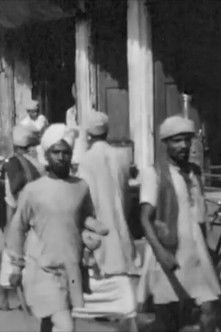
Amateur shots of pilgrims and temples at Haridwar, followed by rural scenes and the Gorrie family at home.
The first woman to appear in front of an Edison motion picture camera and possibly the first woman to appear in a motion picture within the United States. In the film, Carmencita is recorded going through a routine she had been performing at Koster & Bial's in New York since February 1890.
A film by Louis Aimé Augustin Le Prince, shot in late October 1888, showing pedestrians and carriages crossing Leeds Bridge.
To popularize the idea of automobile travel, Ford Motor Company produced Ford Educational Weekly, a film magazine distributed free to theaters. One 1916 series featured "Visits to American Cities." In this episode, Los Angeles is featured at the very beginning of the boom created by oil, movies and aircraft. On the occasion of its centennial in 1953, Ford donated its film to the National Archives and Records Service; this copy derives from a fine grain master printed from the Archive's preservation negative. Music by Frederick Hodges.
The majestic Alaskan brown bear is the largest predator in southeastern Alaska, but everywhere, its ancient haunts are under siege. As the modern world closes in, the great bear’s world is shrinking and encounters between humans and bears are on the rise. Join researcher LaVern Beier as he uses cutting edge technology to protect this extraordinary species. To observe them on their turf, without risking life and limb, LaVern attempts to deploy National Geographic’s CRITTERCAM. Until now, CRITTERCAM has been used almost exclusively on marine animals. Vern and his colleagues are on the cusp of a revolution in terrestrial field science…the opportunity to vicariously walk with bears into the deepest corners of their habitats, where even great hunters barely dare venture.
On the Sorrento peninsula, orange and lemon groves stretch all the way to the coast. In the orange plantations, the high wooden frames are covered with mats to protect the trees from intense sunlight. The function of the artificial irrigation system is demonstrated. The oculation of trees is demonstrated in a young plantation. The oranges are cleaned on the spot, then sent to the laundry, cleaned, dried and made ready for dispatch. In a lemon plantation, many pickers stand on ladders on a tall tree and remove the fruit. The lemons are sorted, wrapped in tissue paper and packaged in home and large-scale factories. Before being exported, the goods are checked again for quality.
Footage shot during Japanese Army Lieutenant Nobu Shirase’s second Antarctica expedition.
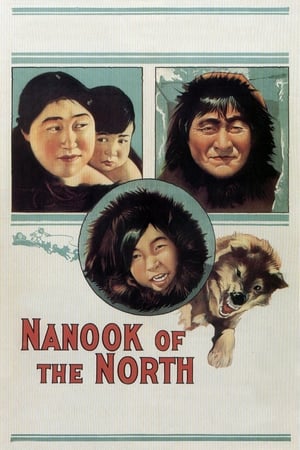
The story of an Eskimo father and son who train and groom a sled dog team. When the father is lost on an ice floe, the son takes the unproven team on the search, and succeeds in finding his father.