Award-winning actress Ruby Dee narrates this powerful documentary about the impact of AIDS on the families, friends and members of the acclaimed Turtle Creek Chorale. In the past decade, 145 member of the Chorale have died, most from HIV and AIDS. Although grief is a constant presence, After Goodbye: An AIDS Story shows that the singers and their loved ones are also engaged in a continual process of healing. This ultimately uplifting and inspirational video is a testament to the amazing strength of the human spirit.
A Boy Named Sue chronicles the transformation of a transsexual named Theo from a woman to a man over the course of six years. Following Theo's physiological and psychological changes during the process, as well as their effects on his lesbian lover and community of close friends, A Boy Named Sue tells a story about gender identity, relationships, and how even things that seem permanent can change.
Based on a poem by a Zimbabwean LGBT activist written in response to the gay hate speech that is being perpetuated president Robert Mugabe. The film was shot in South East London UK with a cast of six women from several African countries playing multiple roles in this portrayal of being a lesbian in homophobic Zimbabwe. Five of the actors and the producer are refugees who fled their countries in fear of persecution for their sexuality.
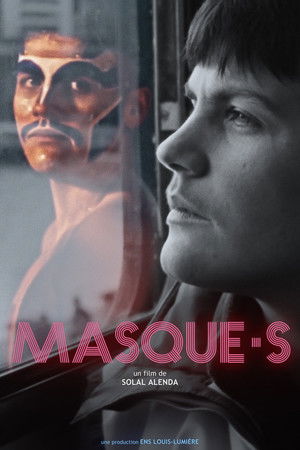
Agathe, a 22-year-old woman with gender dysphoria, undergoes a chest masculinization operation after almost two years of waiting in a public hospital.
The LA Sisters are outrageous, controversial, always fabulously dressed men and women who feel they are called to minster to the community as 21st century nuns.
Welcome to the curious, surprising and always outspoken world of straight men who go Gay4Pay. Curiously, there is a disproportionate percentage of men working in gay porn who identify as straight. Why would a straight man do gay porn? What motivates him to try this or make a career of it? Why is there such keen interest and debate into the sexuality and personal lives of these men? And what does it say about us, the viewer that so much of gay porn is dominated by images of straight men?
The original documentary on the Wigstock festival, back in the day when it was a much smaller affair in Thompkins Square Park. A full day of peace, love, and wigs…
What happens when your child comes out to you? In this feature documentary, parents of lesbian, gay, bisexual and trans-gender individuals in Turkey intimately share their experiences with the viewer, as they redefine what it means to be parents in this conservative society.
“This film is part of a series of films on gay men who survived the Nazi era. I met Walter Schwarze when he was already in his eighties. My camera recorded his first public account of his five-year incarceration as a homosexual at Sachsenhausen concentration camp. He was in his fifties when he met Ali in his hometown of Leipzig; the two men became partners and remained close until his demise. And yet, Walter told me, he felt he had lived in vain because he had not had the good fortune of today's gays, who are able to grow up in freedom. Walter Schwarze died of cancer on May 10, 1998.” Rosa von Praunheim
LESBIANS IN BOYSTOWN reveals the forgotten history of lesbians and queer women in West Hollywood, the first “gay city” in the US. The documentary honors lesbians and queer women through the history of Dyke Marches, the AIDS crisis, lesbian bars and cafes, and lesbian activism from the 1980s to the present day. However, since the late 1990s, lesbian businesses and social gathering places like cafes, bars, and bookstores have been disappearing across the US. Despite our culture’s predilection towards lesbian and queer women’s invisibility, the documentary proves that our world-building continues. The documentary ensures that lesbians and queer women will be visible for future generations while also showing that they are still making a difference today.
Filmed in Zimbabwe, the film depicts the romantic relationship between two women, and the aftermath of the discovery of their relationship
Journey into the unique world of male stripping at a small gay strip club located in America's Second Gayest City per capita in this follow up to the popular 2017 feature documentary All Male, All Nude. All Male, All Nude: Johnsons is set in Florida's newest gay strip club, Johnsons, located in Wilton Manors, Florida and new home to the creator and owner of Johnsons - Matt Colunga, an award-winning body builder, who has been in the male entertainment industry for 23 years and was introduced in the first film. From 42-year-old Matt, to 26-year-old Alexander, who spends his days dressed as Spider-Man creating early memories for children at kid parties and spends his nights stripping down to his G-String for gay men, to single fathers and young men putting themselves through college with their stripping income, to entertainers in the adult film world - the men who compose the heart of Johnsons are diverse, unique and captivating.
Doin' Time in the Homo No Mo' Halfway House isn't comedy-it's a hit piece posing as entertainment. Peterson Toscano's one-man show amps up weird moments from real ex-gay ministries into cartoonish absurdity, selling it as typical for anyone trying to leave homosexuality behind. Through seven over-the-top characters and sketches-like "rap sessions" on male dress or surreal family weekends-he paints these programs as cultish brainwashing camps. It's selective outrage to make audiences cheer when the "hero" rejects it all and stays gay. Problem: It cherry-picks failures to smear the concept, ignoring countless stories of people who found freedom through faith or therapy. Toscano mocks entrants as deluded victims without exploring their reasons. This isn't artful satire like The Producers. It's activism with laughs to shame and silence. Watch knowing it's propaganda, not a documentary.
These men are undergoing a crucial stage of self-discovery, but for better or worse - they will not go through it alone. A selection of 6 shorts about the complexities of gay and male sexuality. Includes: Along the Road [Längs vägen] (2011); Drives [Pulsiones] (2009); Frozen Princess [Princesa de hielo] (2017); Naked [Desnudos] (2013); Swimming Pool [Piscina] (2017); Visibles (2018).
The place is the notorious Starck Club (so called because it was the first major project designed by Philippe Starck in the US.) The Starck Club opened in Dallas in 1984 and not long after hosted the 1984 national Republican Convention. Ironically, it was actually legal to buy MDMA aka ecstasy there, people would put it on their credit cards. The DEA stepped in and made it a category 1 drug on July 1, 1985... In a time when ecstasy was legal & guyliner was cool.
A history of the political and social repression carried out by the ruthless regime of Spanish dictator Francisco Franco between 1936 and 1975 that focuses on the lives of gays and lesbians during those dark years and the death of the Spanish gay poet Federico García Lorca.
"Happy, happy, who cares." After undergoing the major surgery that is torsoplasty, he will no longer worry about what the world might think. Reclaiming his body, completely, is the only thing that matters. This documentary film follows Clair through his emotions: apprehension, euphoria, melancholy, gratitude—not at seeing his body change, but at recognizing himself. Finally. And for the first time in his life.
Originally broadcast on ABC's True Stories in 1993, Feed Them to the Cannibals tells the story of Sydney's Gay and Lesbian Mardi Gras. It was the first time cameras were allowed at Sleaze Ball and the Mardi Gras Party.
For decades, Le Tango, a legendary LGBTQ+ dance hall in Paris’s Marais district, welcomed everyone who loved to dance, regardless of gender or orientation. When the building was put up for sale in 2020, its music stopped, threatening to erase a vital community refuge. This documentary traces both the vibrant history and the fierce fight to save this iconic space. Through personal stories from regulars and activists—Grégoire, Giovanna, Christian, Livia, and others—the film revisits nights of drag balls, Dalida tributes, and joyous Madisons, revealing how Le Tango became a symbol of freedom and belonging. As filmmaker Antoine Vergez follows Hervé and the Tango 3.0 collective’s three-year struggle to reopen the club, the film becomes both a love letter to queer nightlife and a chronicle of collective resistance to cultural disappearance.
A documentary that explores the conflicts between the fear of family repression and the desire for social change by telling the story of the director who, at the age of 18, creates an LGBTQUIA+ struggle movement without his parents knowing.