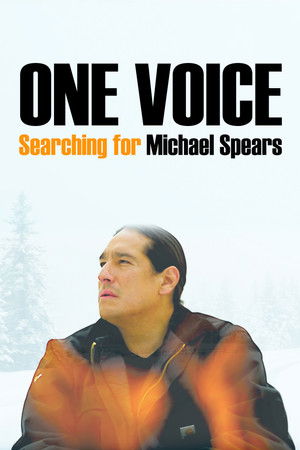
One Voice: Searching for Michael Spears
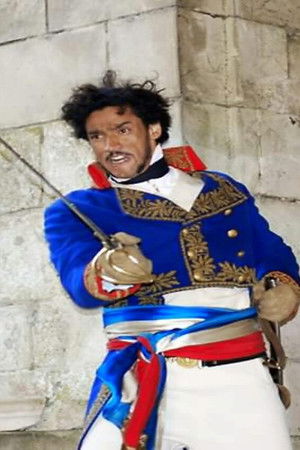
Le Diable noir
Émeutes et rap : le grand clash
An investigation in the city prompted by the assault of a young person by a bus driver. All over the street, the collective goes out to meet people and question the processes of violence in their neighborhood.
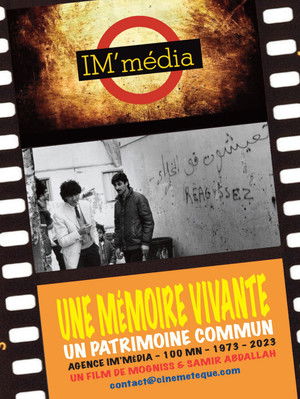
Une mémoire vivante : Un patrimoine commun 1973-2023
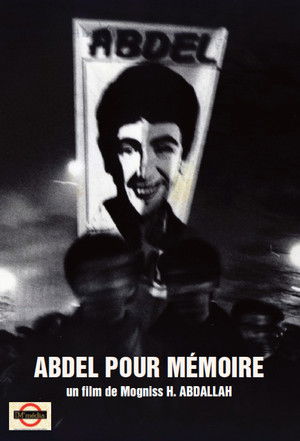
ABDEL POUR MÉMOIRE
MARSEILLE - DES "RATONNADES" DE 1973 À LA MARCHE POUR L'ÉGALITÉ ET CONTRE LE RACISME
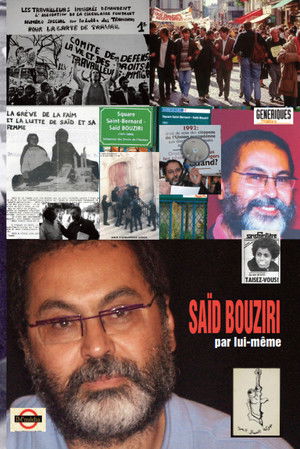
Saïd Bouziri par lui-même
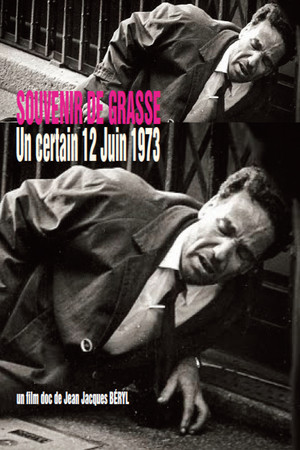
SOUVENIR DE GRASSE, Un certain 12 Juin 1973
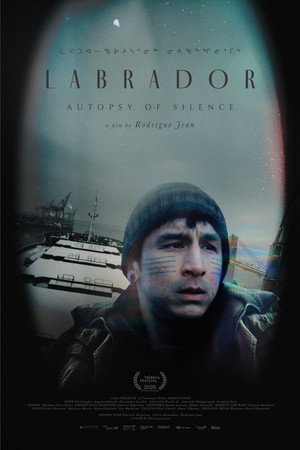
Labrador ou l'autopsie du silence
Week-end à Nanterre
“Forgetting is complicit in recidivism,” says the commentary of this film dedicated to the demonstration of October 17, 1961 in Paris and the savage repression that followed. 11,538 Algerians will be arrested, which is reminiscent of the great Vel d’hiv roundup of July 16 and 17, 1942 where 12,884 Jews were arrested. The film brings together eyewitnesses including a priest, a peacekeeper, a couple of workers sympathetic to the Algerian cause, a lawyer, Paris municipal councilors including Claude Bourdet (then one of the leaders of the PSU and journalist to France Observateur), Gérard Monatte, the future police union leader, and the editor and writer François Maspero.
The Poem of the River
“Carioca,” Chico Buarque’s first DVD of original songs since As Cidades (1998), features musical direction and arrangements by Luiz Cláudio Ramos and production by Vinícius França. The repertoire includes the choro-canção Subúrbio and Sempre, a track composed for the film O Maior Amor do Mundo, among others. In this work, the artist speaks about his city with the youthful spirit reminiscent of the age when he first earned his famous nickname. Voltei a Cantar / Mambembe / Dura na Queda / O Futebol / Morena na Angola / Renata Maria / Outros Sonhos / Imagina / Porque Era Ela, Porque Era Eu / Sempre / Mil Perdões / A História de Lily Braun / A Bela e a Fera / Ela É Dançarina / As Atrizes / Ela Faz Cinema / Eu Te Amo / Palavra de Mulher / Leve / Bolero Blues / As Vitrines / Subúrbio / Morro dos Irmãos / Futuros Amantes / Bye Bye Brasil / Cantando no Toró / Grande Hotel / Ode aos Ratos / Na Carreira / Deixe a Menina / Sem Compromisso / Quem Te Viu, Quem Te Vê / João e Maria
As a film about fertility, Water Children is an ode to womanhood and the body Filmmaker Aliona van der Horst followed the trail of the unconventional Dutch-Japanese pianist and artist Tomoko Mukaiyama who made a huge work of art on the theme of womanhood and fertility. She created a cathedral-like space out of twelve thousand white silk dresses in which visitors, as in a ritual, roamed around and fell silent. And where people confessed intimate details about children who were or were not born, about sexuality and life-choices. This resulted in a majestic epic about motherhood, miscarriages and menopause. In a visual and poetic way, the film penetrates into what is probably still one of the greatest of taboos, menstruation, and, as a consequence, touches upon universal themes around life and death.
Film on the refugee situation in Austria as a result of Hungarian Revolution of 1956.
From the Academy Award-winning director of When We Were Kings comes this enthralling tribute to the timeless power and magic of basketball.
This docuseries tells the story of female animation pioneers in both past and present days, looking into the challenges they have faced and the progress they have made while exploring the obstacles that still exist. Highlighting the determination and passion that moved women out of the ink & paint department and into the role of animator and beyond, the docuseries seeks to inspire the next generation of animation storytellers, while questioning the inequality between men and women within the creative workforce of animation.
The popularity of the Santiago de Compostela pilgrimage continues to grow. Four Czech pilgrimage stories also inspired a new pilgrim, who has just embarked on his long journey. He steps out of his comfort zone to not only discover the magic of the pilgrimage, but also to find himself. When a pilgrim meets a pilgrim on the way to Santiago de Compostela, their first question is clear: “Where are you coming from?” Because every step counts. This is evidenced by four pilgrims’ stories: Kvakin, who came from Boskovice; Olga, who managed her own pilgrimage at an older age; Mario, whose journey summoned him on its own accord; and Peter, who was paralyzed in half his body but got up from his wheelchair and hit the road. We also follow the pilgrimage of Kamil Bartošek, better known as the entertainer and mystifier Kazma Kazmitch.
Tarō Okamoto became world-famous by designing the “Tower of the Sun” at Expo ’70 in Osaka. The ideas and problems that came with its creation, however, are intertwined with the evolution of Japanese culture – from the Paleolithic up until modern times. In his documentary debut, director Kōsai Sekine takes us on a philosophical journey that transcends the visual limits of documentaries.