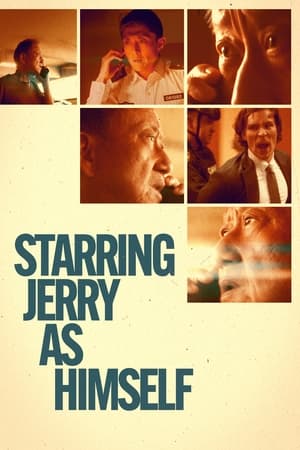
Ninja is famous around the world for her fierce ballroom performances, but she is not as well-known in her native country of French Guyana. But a trip home to teach a workshop might change that.
The fourth film in Alanis Obomsawin's landmark series on the Oka crisis uses a single, shameful incident as a lens through which to examine the region's long history of prejudice and injustice against the Mohawk population.
China Tradition trifft Moderne
Exploring the rich biodiversity and breathtaking natural landscapes of Baishanzu, China, the documentary takes viewers deep into one of the region’s most remarkable ecosystems. Filmed in stunning 8K, it captures the fascinating lives and interactions of plants, animals, and fungi throughout the changing seasons. Beyond showcasing the area’s unique natural beauty, the film also highlights ongoing efforts to protect biodiversity, preserve fragile ecosystems, and promote a sustainable relationship between people and nature.
This documentary is comprised of three shorts: 'El Afinque de Marín' that follows the musicians of the group Madera. 'Yo hablo a Caracas' about an indigenous leader and his reply to the authorities of the venezuelan goverment regarding the violations towards his people and finally 'Mayami Nuestro' chronicles the relationship of venezuelans during the eighties with the city of Miami.
Nearly 200,000 Saharawi refugees live in the barren desert of southwestern Algeria. A former nomadic society, the Saharawis, who have been under Spanish colonial rule for 90 years, were forced to flee their homeland when Morocco was invaded in 1975. Against all odds, they have sought to keep their culture alive while carrying on their fight to gain the independence of Western Sahara, the last colony in Africa. Through the lives and works of poets, singers and painters, Beat of Distant Hearts explores their collective experience of exile, loss and war and offers insight into how these art forms have played a role in the ongoing struggle.
Nitassinan is a feature-length documentary that bears witness to the Innu people and affirms our history—past, present, and future. The film testifies to our vitality, our resilience, and the unbreakable bond that unites us to the land. Because Nitassinan is not only the place we come from; it is a living part of ourselves. It has nourished our language, inspired our thoughts, and guided our steps. This film is a message of love for our territory, which saw our birth and which still accompanies us today, even in our dreams.
Following filmmaker Taye Alvis as he looks to reconnect to his community of Walpole Island First Nation. Taye will explore his relationship to Walpole Island, and how one can reconnect to their traditions and culture by way of conversation, arts, and recreation.
Livestreaming your life to a devoted audience is big business. What happens when the cameras are off?
A lyrical film ode to the odehimin or heart berry. A two-spirit Anishnaabe person finds themself in a dark place with their body. They undertake a healing journey, stating aloud their intentions and reconnecting with the land and the water for strength. As they get more in touch with their body and the beings around them, we begin to see them heal.
This film offers us a juxtaposed journey of two priests: Father Van Ban, a Vietnamese priest from the parish of Thy Hu in the Hé region, who after nine years of training in Paris decides to return to Vietnam, and Bernard de Terves, a young deacon from the Foreign Missions of Paris who decides to leave for China after his ordination. Their intersecting paths allow us to address themes related to East-West intercultural dialogue, particularly that of transmitting the Gospel message.
Afrocantos
Happy Together
Sixty snowmobilers, indigenous and non-indigenous, join forces to take part in a huge snowmobiling expedition: a 3500 km journey to be completed in 16 days. The goal: to cross a large swath of Quebec to work towards reconciliation between peoples. In this choral film, which is as much a physical ordeal as a spiritual and psychological one, the participants take on the mission of raising public awareness of the issues dear to their communities. Through the challenges posed by the weather and the long daily journeys that put the group to the test, a powerful bond is forged between the participants, who face enormous adversity. A journey on the land of ancestors that reveals the strength of togetherness.
Profile of the Crow Indian Mission in Lodge Grass, Montana.
For millennia, Native Americans successfully stewarded and shaped their landscapes, but centuries of colonization have disrupted their ability to maintain their traditional land management practices. From deserts, coastlines, forests, mountains, and prairies, Native communities across the US are restoring their ancient relationships with the land. As the climate crisis escalates these time-tested practices of North America's original inhabitants are becoming increasingly essential in a rapidly changing world.
Gil Cardinal searches for his natural family and an understanding of the circumstances that led to his becoming a foster child. An important figure in the history of Canadian Indigenous filmmaking, Gil Cardinal was born to a Métis mother but raised by a non-Indigenous foster family, and with this auto-biographical documentary he charts his efforts to find his biological mother and to understand why he was removed from her. Considered a milestone in documentary cinema, it addressed the country’s internal colonialism in a profoundly personal manner, winning a Special Jury Prize at Banff and multiple international awards.
China keeps claiming sovereignty over Taiwan. The USA believes the Tech industry of the island nation needs to be protected. Prominent international experts from both sides, China vs. USA, Empires At War explores all the issues that could lead to war.
In this short documentary, a Musqueam elder rediscovers his Native language and traditions in the city of Vancouver, in the vicinity of which the Musqueam people have lived for thousands of years. Writing the Land captures the ever-changing nature of a modern city - the glass and steel towers cut against the sky, grass, trees and a sudden flash of birds in flight and the enduring power of language to shape perception and create memory.
During the summer of 2022, eight teenagers and young adults from Kuujjuaq, Kangiqsualujjuaq and Kangirsuk took part in a two-week kayaking adventure.