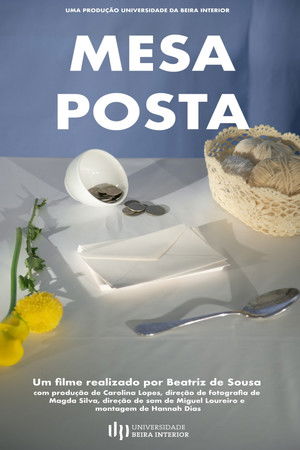
Mesa Posta is a film that lives off the violence of a life, which is shown in the simplicity of the gestures of the person who plays it. The habits, beliefs and moments of this story are told in the act of setting the table, then the brutality of life is confronted by the beauty and the grace of the objects that make it: the table is set as life is told.
The viewpoints of women from a country that no longer exists preserved on low-band U-matic tape. GDR-FRG. Courageous, self-confident and emancipated: female industry workers talk about gaining autonomy.
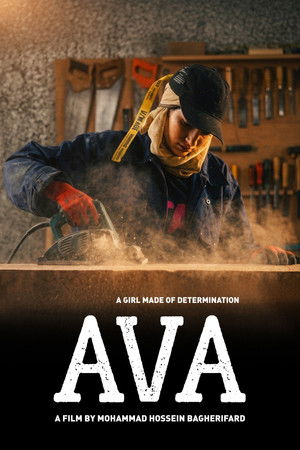
Breaking a centuries-old taboo, Ava stands as the first woman in Iran to master the male-dominated craft of carpentry. Within the grit and clamor of the workshop, she confronts a society that deems her presence forbidden. This observational documentary captures her daily battle against physical hardships and social judgment.
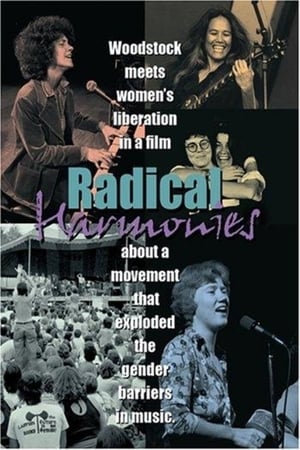
Interviews and performance footage are used to provide an overview of the women's music scene.
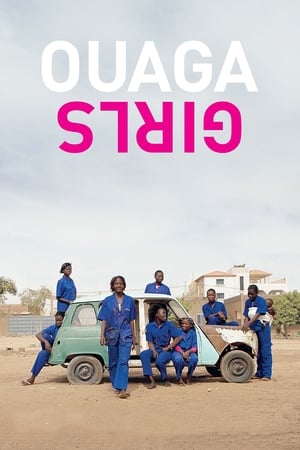
A group of young women from Ouagadougou study at a girl school to become auto mechanics. The classmates become their port of safety, joy and sisterhood, all while they are going through the life changing transition into becoming adults in a country boiling with political changes. In a country with youth unemployment at 52 percent, jobs are a hot issue. The young girls at a mechanics school in Burkina Faso’s capital Ouagadougou are right in the middle of a crucial point in life when their dreams, hopes and courage are confronted with opinions, fears and society’s expectations of what a woman should be. Using interesting narrative solutions, Theresa Traore Dahlberg depicts their last school years and at the same time succeeds in showing the country’s violent past and present. This is a feature-film debut and coming-of-age film with much warmth, laughs, heartbreak and depth.
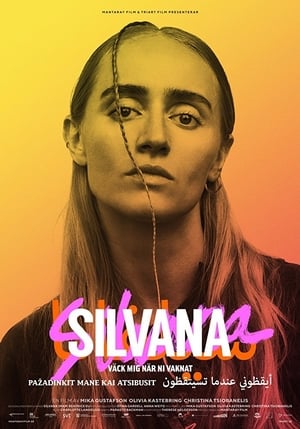
A documentary about the Swedish rapper and artist Silvana Imam.
Their documentary is the result of an ethnographic audiovisual research. How to research the theme woman and all the themes that surround it, respecting the place of speech of each one? Based on an interview with eighteen women cultural makers from the interior of São Paulo, we open the way to listening and dialogue on macro-themes permeated by their trajectories. The stories are theirs, but they're ours. Expand the debate about being a woman, about feminism and about our pains and delights, about our contradictions and dreams. The documentary is then a research, an open process of listening, reinterpreting and giving voice to them.
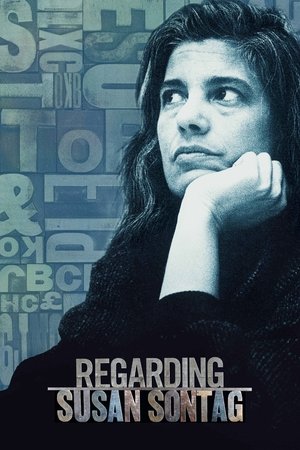
An intimate study of one of the most influential and provocative thinkers of the 20th century tracking feminist icon Susan Sontag’s seminal, life-changing moments through archival materials, accounts from friends, family, colleagues, and lovers, as well as her own words, as read by Patricia Clarkson.
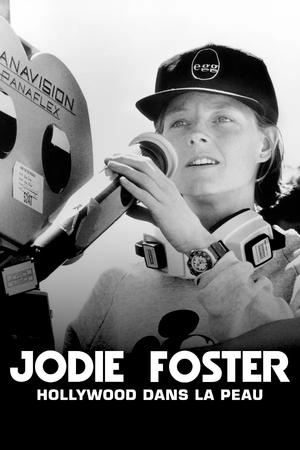
From her precocious status as a sex symbol to her consecration as a filmmaker, Jodie Foster's story is about a feminist struggle, albeit atypical, fought on and off the screen. This film sets out to retrace her remarkable journey within the Hollywood industry.
A docu-drama shot in 1970, but not completed until 1973, the film sought to encapsulate in an experimental form issues that were under discussion within the Women’s Liberation Movement at this time and to thus contribute to action for change. In its numerous community screenings, active debate was encouraged as part of the viewing experience.
Vārdotājas (Wordsmiths) traces the recent rise of women's stand-up comedy in Latvia, but it is by no means just for laughs. Feelings of discomfort, shame, shock, are just some of the subjects tackled.
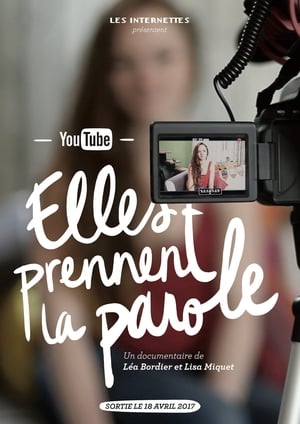
Elles prennent la parole
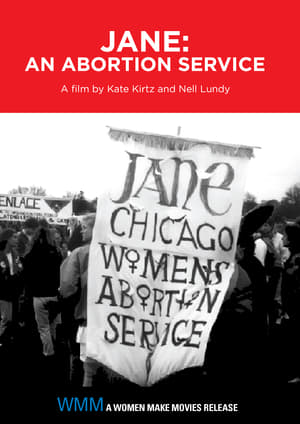
This fascinating political look at a little-known chapter in women's history tells the story of "Jane", the Chicago-based women's health group who performed nearly 12,000 safe illegal abortions between 1969 and 1973 with no formal medical training. As Jane members describe finding feminism and clients describe finding Jane, archival footage and recreations mingle to depict how the repression of the early sixties and social movements of the late sixties influenced this unique group. Both vital knowledge and meditation on the process of empowerment, Jane: An Abortion Service showcases the importance of preserving women's knowledge in the face of revisionist history. JANE: AN ABORTION SERVICE was funded by the Independent Television Service (ITVS) with funds provided by the Corporation for Public Broadcasting.
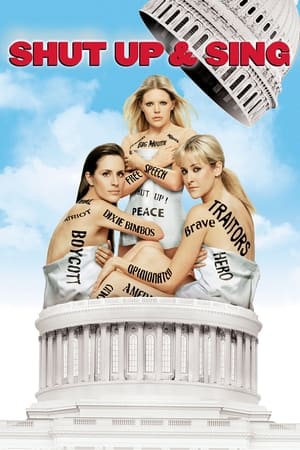
Shut Up and Sing is a documentary about the country band from Texas called the Dixie Chicks and how one tiny comment against President Bush dropped their number one hit off the charts and caused fans to hate them, destroy their CD’s, and protest at their concerts. A film about freedom of speech gone out of control and the three girls lives that were forever changed by a small anti-Bush comment
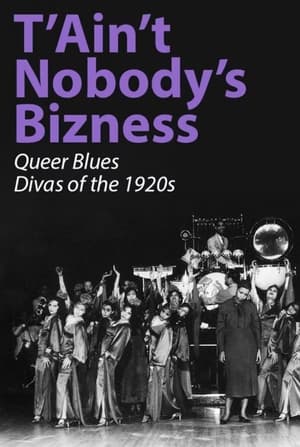
The 1920s saw a revolution in technology, the advent of the recording industry, that created the first class of African-American women to sing their way to fame and fortune. Blues divas such as Bessie Smith, Ma Rainey, and Alberta Hunter created and promoted a working-class vision of blues life that provided an alternative to the Victorian gentility of middle-class manners. In their lives and music, blues women presented themselves as strong, independent women who lived hard lives and were unapologetic about their unconventional choices in clothes, recreational activities, and bed partners. Blues singers disseminated a Black feminism that celebrated emotional resilience and sexual pleasure, no matter the source.
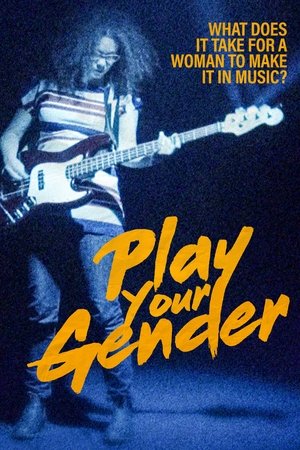
Juno Award-winning musician Kinnie Starr is on a quest to find out why only 5% of music producers are women even though many of the most bankable pop stars are female. What does it take for a woman to make it in music?
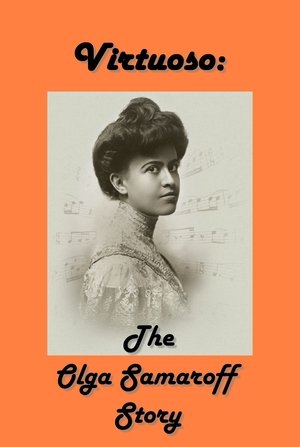
As America's first international woman concert pianist, renowned lecturer, author, music critic, famous conductor's wife and champion for equal rights for women in music, Olga Samaroff was at the center of a musical life that to this day embodies the imprint of her artistry and achievements. Her life story also portrays an era in our American cultural heritage that has largely been underserved in the documentary film genre. Texas-born Olga Samaroff a.k.a. Lucy Hickenlooper lived at a time when music was dominated by men and Old World prejudices----and she emerged as a leader among many. Against tremendous odds she rose from complete obscurity to be the most successful American woman concert pianist of the early 20th Century.
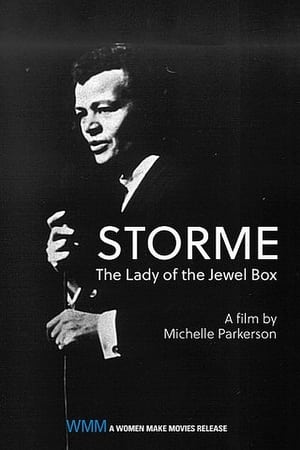
“It ain’t easy…being green” is the favorite expression of Stormé DeLarverie, a woman whose life flouted prescriptions of gender and race. During the 1950s and '60s she toured the black theater circuit as a mistress of ceremonies and the sole male impersonator of the legendary Jewel Box Revue, America’s first integrated female impersonation show and forerunner of La Cage aux Folles.
ane´ma
In the months leading up to, and days following Ireland’s historic referendum to repeal the eighth amendment, investigative journalist Ellie Flynn follows the story of the landmark vote to legalise abortion. Ahead of the referendum, Ellie travels to Ireland to meet activists and campaigners from both sides of the debate to try and understand the impact of the Law for young Irish voters and discovers that this incredibly divisive and emotionally charged issue is not as black and white as it seems. She meets a young ‘No’ vote campaigner who believes he's only alive because the amendment stopped his mother from aborting him in her youth and speaks to a woman who made the tragic decision to travel to the UK to abort her much wanted daughter after discovering she would be in extreme pain for the few moments she was likely to survive. On May 25th, Ireland voted Yes to the constitutional amendment to legalise abortion and Ellie returned to discuss the reaction.