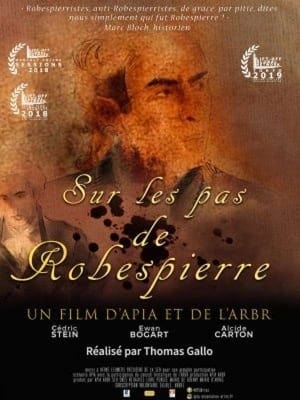
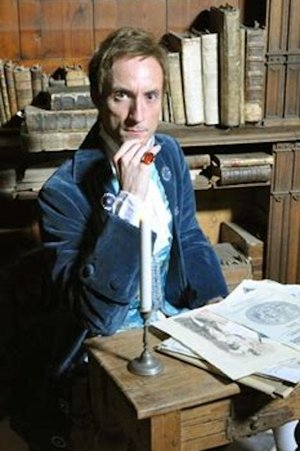
Sur les pas de Robespierre
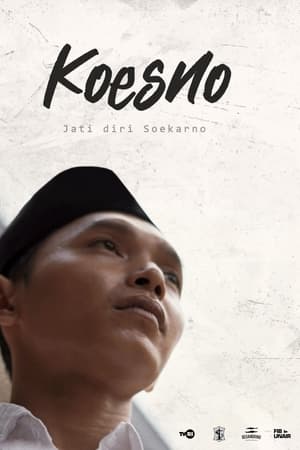
Several historical facts were raised again to remember the story of the President who was born in the village of Peneleh, Surabaya, who is also Arek Suroboyo.
Dating back to the 1800s, Birmingham’s roller skating scene is a flourishing, diverse community - but it lacks dedicated spaces. This community documentary explores the history of one roller venue, The Tower Ballroom, and considers what it tells us about the power of community action.
A team of scientists search for the lost island of Testerep in front of the Belgian coast, venturing into artificial landscapes and virtual realities.
A short documentary looking at Altoona in its heyday.
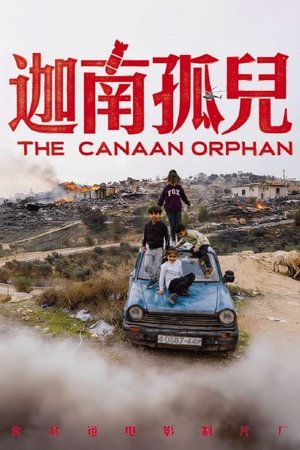
迦南孤儿
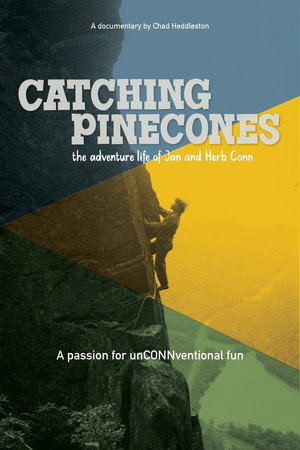
Jan and Herb Conn were the original American dirtbag couple, pioneering rock climbers and cave explorers who rejected a conventional lifestyle in pursuit of adventure and fun. The Conns’ story reveals a legacy of renowned discoveries and their philosophies for a rewarding, well-lived life.
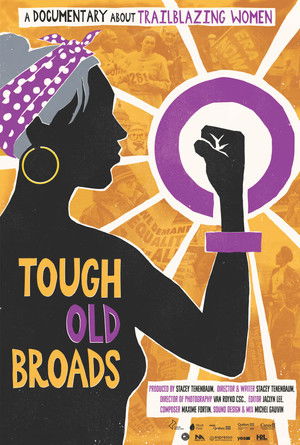
Kathrine Switzer, Siila Watt-Cloutier, and Sharon Farmer. They are the first woman to run the Boston Marathon officially, the first woman to connect climate change to human rights, and the first woman to serve as Chief White House Photographer. These trailblazing women broke barriers in their time and continue to pursue their passions to this day. They’re living proof that you can follow your dreams and maybe change the world in the process.
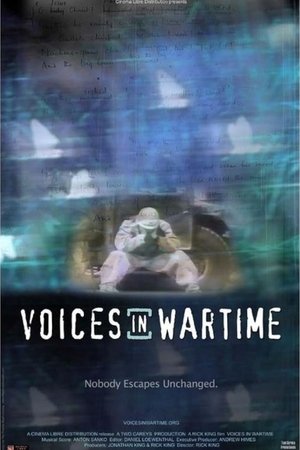
Voices in Wartime is a 2004 documentary that explores the human experience of war through poetry. Combining interviews with soldiers, journalists, and historians, it reveals how war affects individuals and societies across time and place. The film features poets from around the world – from Homer and Wilfred Owen to Shoda Shinoe and modern writers in Iraq and Nigeria – showing how poetry expresses the pain, trauma, and truth of conflict. By linking verse with real-life accounts, Voices in Wartime highlights how poetry helps us understand the emotional and moral impact of war.
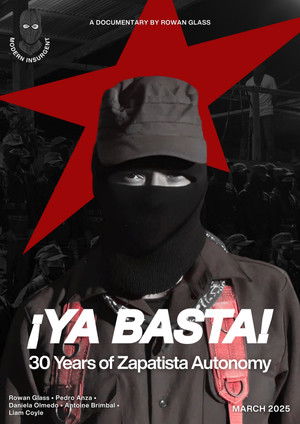
In the mountains of Chiapas, a rebel experiment in autonomy continues to thrive – thirty years after its declaration of war against the Mexican state. ¡Ya Basta! 30 Years of Zapatista Autonomy, a Modern Insurgent documentary, explores the legacy and future of the EZLN, reflecting on how a masked, rural rebellion reshaped Mexico’s political landscape and inspired activists across the globe. What does revolution look like when it refuses to seize state power? And what can the world learn from a community that continues to build its own system from the ground up?
He described his love of art as his greatest inclination from his youth: Johann Joachim Winckelmann as a representative and rediscoverer of Greek and Roman antiquity. He was the father of European art history and was the victim of a robbery-murder in 1768. The documentary tells of his life, his work and his early death.
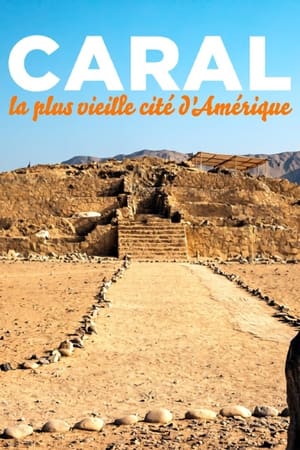
The Sacred City of Caral or Caral-Supe is the capital of the Norte Chico Civilization of Supe located in the Supe Valley, 200 km (124 miles) north of Lima. The Sacred City of Caral is the earliest known civilization in the Americas, it dates to the Late Archaic period. Radiocarbon analysis performed by the Caral-Supe Special Archaeological Project (PEACS) dates its development between 3000 to 1800 B.C.. It is believed that this civilization started by the merging of small villages based on trade of agricultural and fishing products. Its importance rests on the success of techniques of domestication of cotton, beans, potatoes, chilis, squash among other products. Success in agriculture was due to the development of water canals, reservoirs and terraces. They used guano, bird excrement, and anchovies as fertilizer.
This short documentary produced by the University of Oregon Multimedia Journalism graduate program explores memories of Portland's Japantown – Nihonmachi – and the thriving Japanese American community in Oregon prior to World War II. The film features Chisao Hata, an artist, teacher and activist, and Jean Matsumoto, who was incarcerated at the Portland Assembly Center and in the Minidoka concentration camp as a child.
The great myths of mankind have captivated us for thousands of years. Inexplicable phenomena, places shrouded in legend and superhuman heroes puzzle us and fire our imagination. But what if the legends are more than pure fiction? Scholars have been sketching dragons since ancient times, and the belief in their existence extends into modern times. Whether with wings or breathing fire, as creator or destroyer - the dragon is one of the oldest myths of mankind.
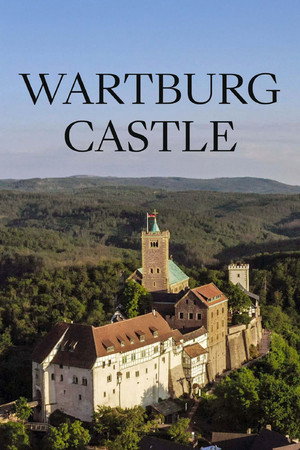
Wartburg Castle has towered majestically over the Thuringian Forest for almost a thousand years. The medieval building is a living testimony to Germany's complex history - and is a symbol of freedom, power and culture. This documentary explores its long and eventful history.
This documentary takes an in-depth look at the witch hunts that swept Europe just a few hundred years ago. False accusations and trials led to massive torture and burnings at the stake and ultimately to the destruction of an organic way of life. The film questions whether the widespread violence against women and the neglect of our environment today can be traced back to those times.
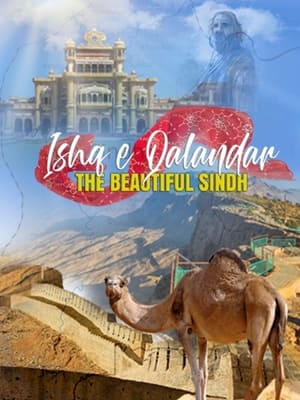
Ishq e Qalandar - The Beautiful Sindh is a travel film that takes viewers through one of the most ancient civilizations on Earth called Sindh. Shezan Saleem Jo-G takes a journey of self-realization, the discovery of his roots, and building a connection with people and spirituality in Sindh.
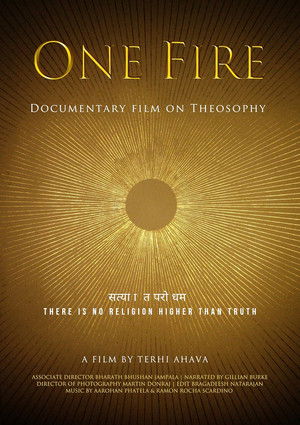
ONE FIRE is a new documentary film exploring the mysteries of Theosophy, focusing on Helena Petrovna Blavatsky and her groundbreaking work, The Secret Doctrine. The film traces how Blavatsky's ideas challenged conventional thought and inspired generations of seekers. It also examines the hidden influence of Theosophy - often unknown to many - on modern thought, the arts, music, education, and politics. At the same time, ONE FIRE serves as a meditation on experiencing eternal truths through striking visuals and original music, inviting audiences to engage not only intellectually but also emotionally with Blavatsky's enduring legacy.
La Rafle du Vieux-Port
In the 1970s, the Spanish dictatorship opened up to the outside world and allowed a group of Danes to build Tivoli World, the first amusement park on the Costa del Sol, a copy of Tivoli Garden in Copenhagen.