NULLE PART
Non-human animals have always been around us, shaping and being shaped by our shared worlds. Yet in the modern city, their presence is increasingly cast as a problem, and their ways of living as disruptions. By following their traces, this film essay points toward a different picture that questions the narratives we take for granted. Through more-than-human encounters filmed locally in Romania, and a critical detour from the official discourse, other ways of living begin to surface. Perhaps there’s more we can do to unmake the anthropocentric landscape. What would it take to coexist more justly with urban animals? This film strays with this question and its possible answers.
A video essay on Edward Yang's 2000 film "Yi Yi: A One and a Two..."
The New York of News from Home was filmed in 1976, while the one of Taxi Driver was filmed in the summer of 1975. Both works reflect the same decadent city. Two visions that shift from the everyday to the existential complement each other. A resignification of Akerman's images through the voice-over of Scorsese's work.
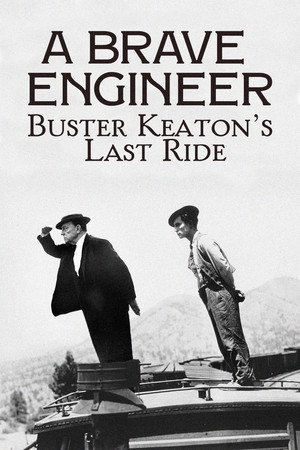
From 1920 to 1965, the great Buster Keaton made spectacular use of locomotives in his films. This video essay charts the course of his iconic cinematic career across the many tracks he rode along on screen: as a young man in the surge of his silent movie ascent in Our Hospitality, while making his masterpiece The General, and traversing the width of Canada on a railway speeder car as an old man in The Railrodder.
nostomanie
There are two Bergmans. One speaks English, the other Italian. They fall in love and set off impulsively to live together. But reality is far from easy. As the rift between their emotions deepens, what choice will they make? And what kind of ending awaits them?
A video essay made on S. Craig Zahler's 2015 film "Bone Tomahawk".
Dinner is ready !
After the making of my previous film (PLAY DEAD!), some unfinished business remained on my desktop. Home movies and various body horror films from my childhood cluttered my computer screen. Part medical treatise, part self-anamnesis, and a mashup tinged with nostalgia, this video essay returns the images emanating from my computer screen to the everyday gaze of a diabetic.
A video essay on the history and morality of the Robin Hood legend.
In a world bedazzled by intractable images, do we need the essay film now more than ever? Kevin B. Lee weighs up this distinctively self-aware, searching form of cinema through both video and text.
A video essay by filmmaker Kogonada exploring the use of doors in the 13 feature films of Robert Bresson
Visite banale du musée de l'oubli.
Surrounded by reflections of color, an ephemeral being explores the ethereal, sweet, and dangerous nature of sexual affection for another. It yearns to desire, but also to be desired.
The film, grounded in the photo series titled "Right to be Flawed"—published on a-part.online, the official publishing platform of the Kadıköy-based aesthetic-modernist art collective apart Art Association—is a short videographic essay that aims, through a practice-based experiment, to test French thinker-sociologist Jean Baudrillard’s theory of simulation, the imperfection–perfection dichotomy within that theory, and the implications of this dichotomy in the context of art and image regimes.
Millions in diamonds are stolen from a New York City safe, and later the burglar is killed. Shamus is paid $10,000 by the owner to find the diamonds or the killer.
The body of teenager Gloria Hollinger is found dead on a Los Angeles beach, and Lt. Phil Gaines is in charge of the investigation. Gaines learns that the girl, a stripper and prostitute, committed suicide, but he ignores the connection between her and a powerful mob lawyer, Leo Sellers. Hollinger's father, however, is not satisfied with Gaines's results, and attempts to investigate the case on his own.