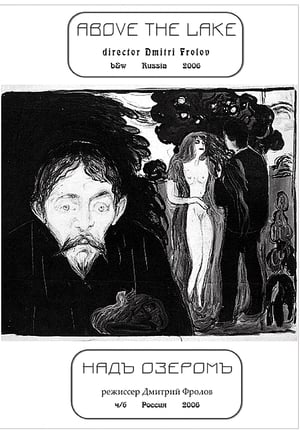
Avant-garde homage to pre-revolution Russian silent movies, and to the poet Aleksandr Blok.
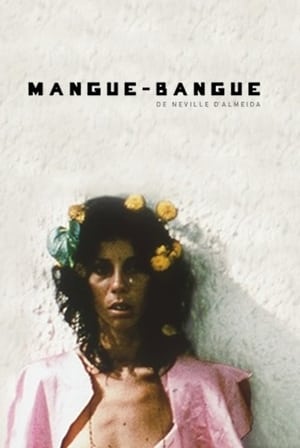
The quasi-fictional story of transgender sex workers living in Rio de Janeiro's swampy red light district, who are joined by a group of hippies and a runaway stockbroker, "Mangue-Bangue" is the paradigmatic expression of the post-1968 spirit of desbunde, the Brazilian slang catchword for "sex, drugs, and rock 'n' roll".
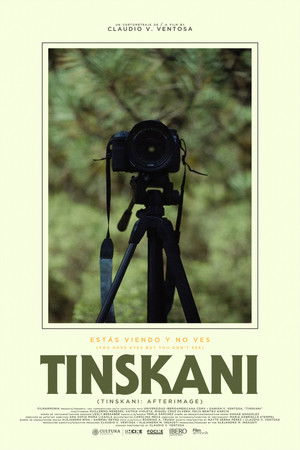
Tinskani mourns the death of his friend and mentor, Salvador. His partner, Citlali, urges him to attend the funeral with her, but Tinskani is haunted by the photograph of his friend's corpse. He'd rather wander through the town’s carnival, camera in hand, seeking to replace that ghostly portrait with new ones.
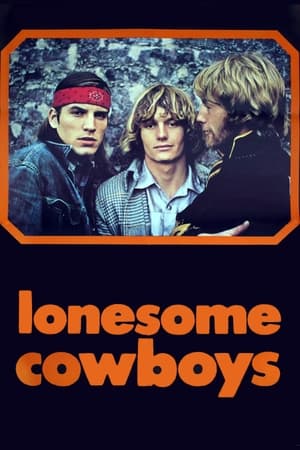
Five lonesome cowboys get all hot and bothered at home on the range after confronting Ramona Alvarez and her nurse.
An unexpected meeting on a train leads two travelers to spend an evening wandering through Vienna. As the night unfolds, they share stories and conversations about life and love, exploring new ideas while a quiet intimacy grows between them, knowing it may be their only night together.
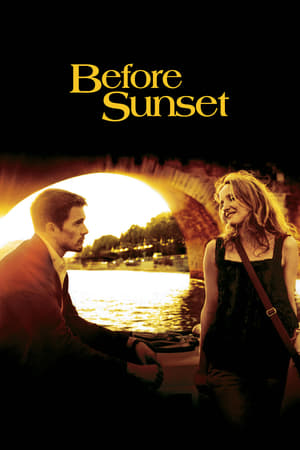
Nine years later, Jesse travels across Europe giving readings from a book he wrote about the night he spent in Vienna with Celine. After his reading in Paris, Celine finds him, and they spend part of the day together before Jesse has to again leave for a flight. They are both in relationships now, and Jesse has a son, but as their strong feelings for each other start to return, both confess a longing for more.
In 17th-century Tuscany, a church play is performed for the benefit of young aristocrat Cosimo. In the play, a grotesque old woman gives birth to a beautiful baby boy. The child's older sister is quick to exploit the situation, selling blessings from the baby, and even claiming she's the true mother by virgin birth. However, when she attempts to seduce the bishop's son, the Church exacts a terrible revenge.
An artist strives to achieve a state of pure existence. Caught between inertia and movement, her body strains, adapts, and responds to what is happening around her.
Sex as dance and comedy: in Progressive Touch Portnoy studies and expands the relationship between sex, choreography and composing music. He introduces complex compositions from progressive rock and math metal during sex, thereby combating the ostensible simplification of rhythm in human movements and gestures. A group of actors perform the new moves in three slapstick-like scenes. Worth trying at home.
A tale of two brothers from babies to adulthood told without words. One brother is upstaged by the other from the crib onward. Eventually the tables are turned.
Three emotionally damaged adults, drawn together by their life-threatening sensitivity to digital devices, retreat to an isolated cabin to start over without screens. But escaping modern technology proves more difficult than expected.
A vlogger's bid for virality leads her to experiment with a depression-inducing pill, all while she grapples with the aftermath of her fractured relationships.
The film follows Will Fletcher, a musician, and Eve Fisher, who works in a pub where he is performing, during one night in London. After Will has saved Eve from a drunken customer at closing time, they stay up all night together, meandering through the streets of London and forging a relationship. Next morning, Eve takes him to see her Alzheimer's-suffering grandmother. The film is often compared to Richard Linklater's films "Before Sunrise" and "Before Sunset", as the style is very similar.
An experimental staged documentary.
Amidst apocalyptic darkness and endless war, a young couple's mundane relationship is threatened by the arrival of a mysterious widow and a supernatural force that lurks in the forest around their cabin.
Two men. Friends? Enemies? Lovers? Brothers? One is nothing, success or failure depends on two.
This film tell us about intricate attitudes in male collectives on navy. The film bore in poetical form with respect for differently minded heroes.
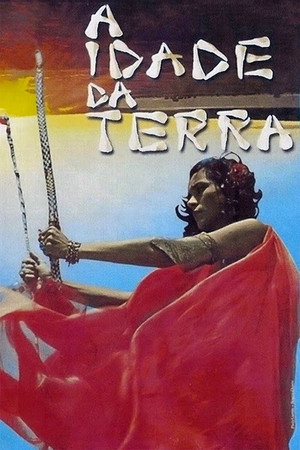
Drawing inspiration from a poem penned by Castro Alves, this film vividly captures the political, cultural, and intellectual climate of Brazil during the late 1970s. At its core, the story revolves around four distinctive embodiments of Christ's image: a black man, a soldier, an Indian, and a guerrilla fighter. These courageous individuals, hailed as the harbingers of doom in the tupiniquim lands, valiantly combat the insatiable avarice and oppressive "civilizing" brutality propagated by the formidable John Brahms—a foreign exploiter devoid of morals.
Sanning/Lögn
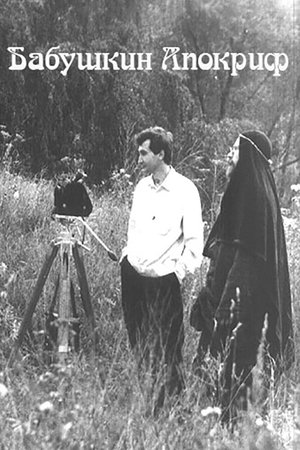
Saw and imagined in the children's fantasy the story of grandmother of Christ and the Apostles a little girl. Today few people remember that just a few decades ago in the village houses next to the icons you could still see the popular prints on religious themes. They finally disappeared from use only in the 60-ies of the last century. Of course, their creators were not professional painters or connoisseurs of theology. Drew, as best they could, she felt, not knowing neither rules nor laws. Simple uneducated people, nuggets, sought to glorify God with their creativity, that resonates in the hearts of those of peasants or artisans as they are.