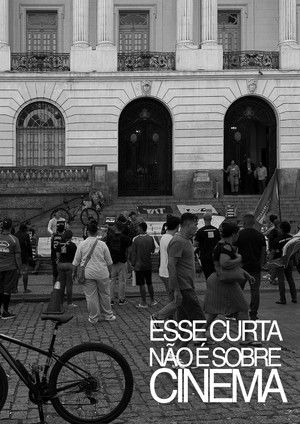
An audiovisual essay constructed from Super 8 footage filmed during camera tests for the short film ‘La Trampa’. Through gestures, light, and silences, it reflects on what the image reveals and what it leaves unsaid.
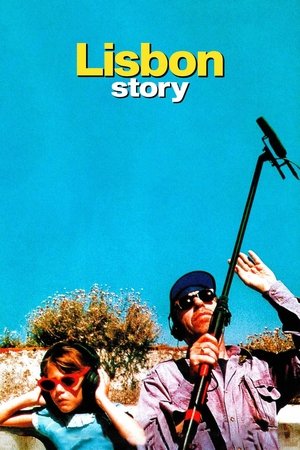
Wim Wenders' homage to Lisbon and films. A sound engineer obtains a mysterious postcard from a friend who at the moment is filming a film in Lisbon. He sets out across Europe to find him and help him.
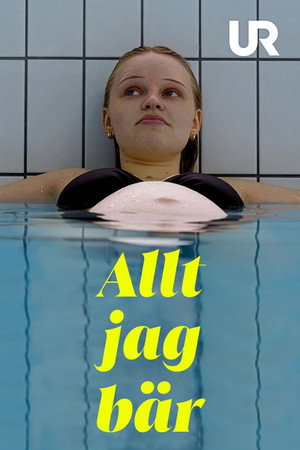
Teenager Olivia Oras has 20,000 Instagram followers. The documentary follows a year of her life.
The Vatican media documentary about the roots of Robert Francis Prevost in his native United States. It follows an itinerary that begins with his childhood in Dolton, through the memories of his brothers Louis and John, and continues among schools and universities, communities and parishes, featuring the voices of confreres, teachers, classmates, and longtime friends. A production of the Vatican Dicastery for Communication, in collaboration with the Archdiocese of Chicago and the Apostolate El Sembrador Nueva Evangelización (ESNE), broadcast on the official channels of Vatican Radio – Vatican News.
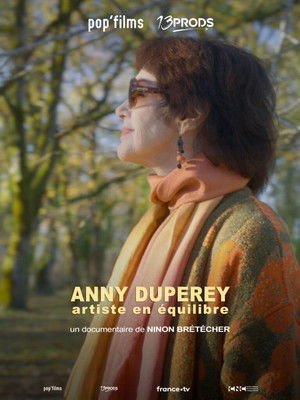
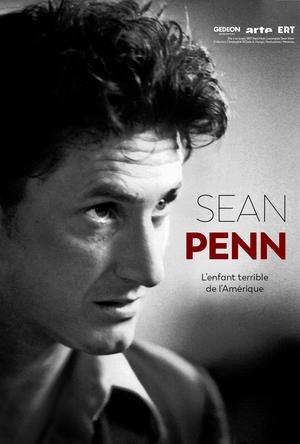
This documentary looks back on a career of a woman who, very early on, refused to accept the roles assigned to her. In the 1980s, while others were trying to please, she wrote "Les hommes préfèrent les grosses" (Men Prefer Fat Women), a manifesto ahead of its time, funny, feminist, and blunt. Later, with "Gazon maudit" (Damned Grass), she tackled homosexuality with a freedom that is still shocking today.
This documentary follows Pia, who is homeless. She is struggling with her drug addiction. During the day she (and many other homeless people) sells the newspaper Situation Sthlm.
It has been three years since Tom Alandh made the film "Det svåra livet" about homeless drug addict Pia. This film shows what has happened to her since.
Ten years after documentary filmmaker Tom Alandh started filming homeless drug addict Pia Sjögren, he makes his third and final film about her. Pia was 14 years old when she started smoking cannabis and using drugs. Then it all happened really fast. The heavier drugs, the men who beat, and years of cold nights in basements and attics. Treatment and punishment. Rehabs and prisons. Relapse. Constantly back, at the complete bottom, among shame and guilt. For ten years, Tom Alandh and photographer Björn Henriksson documented Pia's life. Two films were made, this is the third and last film, which shows how she managed to get clean against all odds.
Minimalist movie making at its best: kids learn the art of film language using illustrations and margarine boxes.
Figli del Set
A documentary exploring Saudi Arabia's hidden film culture, following movie lovers who grew up without theaters in the 1980s and uncovering the nation's pre-1979 cinematic history through pioneers who kept their passion alive.
When two incarcerated artists secretly document a routine prison practice, they risk their lives to expose a state policy that blurs the line between safety and sexual abuse.
Survivors of violent crimes and prisoners incarcerated for murder connect to undergo astonishing transformations, liberating themselves from the debilitating constraints of trauma, and shattering preconceptions of "us and them."
Well known for its exploration of seduction and revenge, the “Dangerous Liaisons” by Choderlos de Laclos caused a scandal from its first publication in 1782. Despite – or because of the scandal – the book was a top-seller. Since then, it stood the test of time. Combining eras, continents and people, the novel is adapted around the world. Marvelous tool for reflection on the female condition, social satire announcing the Revolution, remarkable work on the conflicting nature of love but also of the gender war, consecration of the power of the words, a libertine manual… “Dangerous Liaisons” is all of these at once.
Shoot Yourself
For almost half of his life, Kenneth Viken has been in prison, and he does not know how many times he has been released, only to soon return . In January 2016 he is released again.
Documentary by Leon Hirszman about the economic conditions of film production in Brazil, produced in 1975 with sponsorship from Embrafilme and kept unreleased since then.
In the summer of 1975, the young director Steven Spielberg set new standards for cinema worldwide with an oversized shark bite, a plastic shark fin and an unmistakable two-note main theme composed by John Williams. With the horror from the deep, a man-eating, gigantic great white shark, the film of the same name became a similarly traumatic reference as Alfred Hitchcock's "Psycho": it triggered lasting primal fears across generations. On the beaches of the world, there was clearly a "before" and an "after". Steven Spielberg, who was only 28 at the time, not only set new standards for the thriller genre, but also hid his biting criticism of US capitalism in the 1970s behind it.
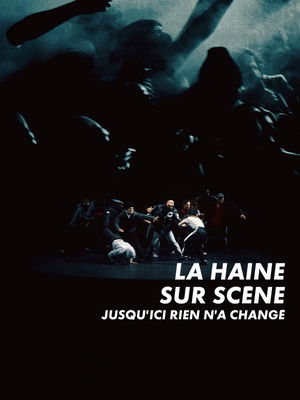
Kassovitz revisits the story of his cult film by adapting it for the stage and highlights the film's eminently contemporary nature. Recorded in December 2024 at La Seine Musicale in Boulogne Billancourt, in the Hauts-de-Seine department.
New light is shed on the complex relationship between Romy Schneider and her mother Magda, a German film star of the 1930s admired by Hitler - who welcomed her and her daughter to his chalet in Berchtesgaden.