Mossad L'Histoire Secrète d'Israël
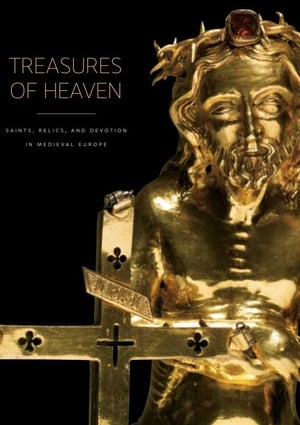
Andrew Graham-Dixon explores the ancient Christian practice of preserving holy relics and the largely forgotten art form that went with it, the reliquary. Fragments of bone or fabric placed inside a bejewelled shrine, a sculpted golden head or even a life-sized silver hand were, and still are, objects of religious devotion believed to have the power to work miracles. The documentary features interviews with art historian Sister Wendy Beckett and Neil MacGregor, director of the British Museum.
A Europa é um Jardim
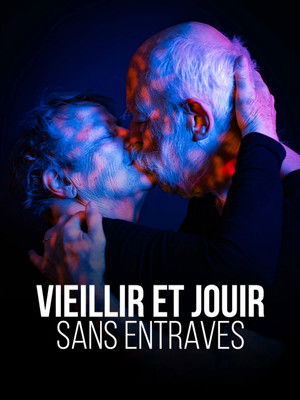
One of society’s last taboos is elderly desire, which remains strong for many: half of older adults remain sexual. Advances in medicine and lifestyle mean people in their 70s, 80s, or 90s can still explore and enjoy intimacy. Yet society often ignores this—aged bodies are deemed unattractive, and sexual desire beyond tenderness is stigmatized, sometimes leading to mistreatment in care homes where couples are separated. The documentary Vieillir et jouir sans entraves confronts this taboo. Featuring celebrities and real-life couples—including Francine and Marc (60 years together) and gay couple Jean-Marc and Alain (34 years together)—it explores aging bodies, love, sexuality, and the challenges of libido and illness. The film highlights initiatives supporting sexual expression for older adults, including LGBT-friendly housing and sex-positive care, urging society to rethink its view of aging intimacy.
Using local media footage from the London Borough of Southwark spanning the past 20 years, this documentary discusses complex social issues including gang violence, knife crime, and mental and sexual health.
In a world losing itself to screens, teenage mystic Carlo Acutis saw beyond our social media-addicted society and offered an answer—if we’re willing to listen. Carlo Acutis: Roadmap to Reality explores the life of the first millennial saint while following teens on a phone-free pilgrimage to his tomb, immersing them in his story, his passion for Christ, and a search for meaning in a digital age.
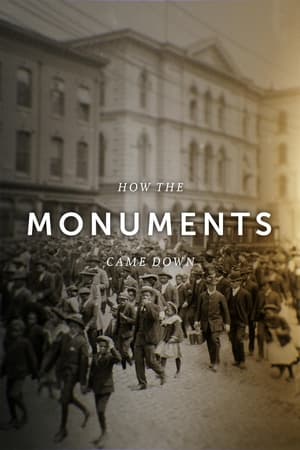
How the Monuments Came Down is a timely and searing look at the history of white supremacy and Black resistance in Richmond. The feature-length film-brought to life by history-makers, descendants, scholars, and activists-reveals how monuments to Confederate leaders stood for more than a century, and why they fell.
Nominated for an Emmy® Award in 2021 for best non fiction special. Winner of 35 grand jury awards. Filmed in 2016 at Standing Rock, North Dakota, this powerful documentary follows the Indigenous leaders as they unite the Native Nations for the first time in 150 years in order to rise up in spiritual solidarity against the unlawful Dakota Access Pipeline which threatens their treaty lands, sacred burial sights and clean water. These young Native Leaders honor their destiny by implementing a peaceful movement of resistance which awakens the world.
Through testimonies and images, the crude reality of human rights in Argentina in democracy is portrayed and the role of the hegemonic means of communication to make causes and protests invisible ...
A journey that follows the Ganges from its source deep within the Himalayas through to the fertile Bengal delta, exploring the natural and spiritual worlds of this sacred river.
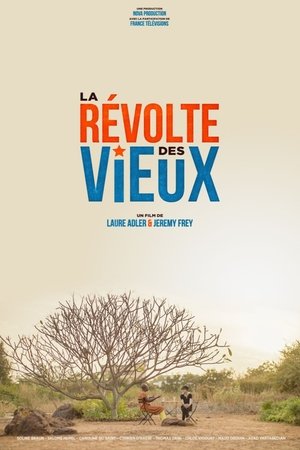
La Révolte des vieux
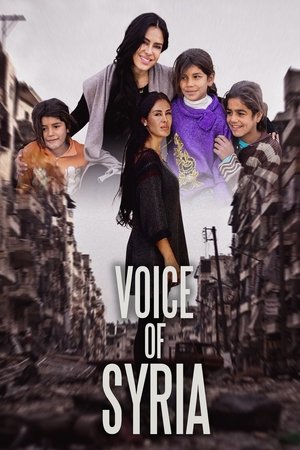
A witness testimonial by the Syrian people with regards to what has happened to their country. It's a story told by those who couldn't leave, those who chose to stay to fight the war and those who had to leave their motherland.
Les Marquises, aux sources de la Polynésie
La Corse, belle et méditerranéenne
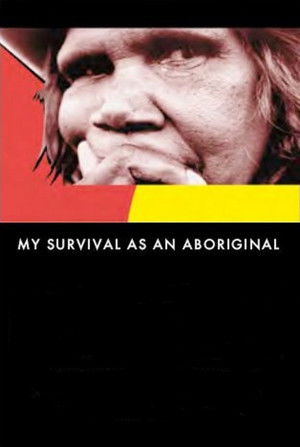
Essie Coffey gives the children lessons on Aboriginal culture. She speaks of the importance of teaching these kids about their traditions. Aboriginal kids are forgetting about their Aboriginal heritage because they are being taught white culture instead.
In this sequel to "My brother the Islamist," we continue to follow Robb Leech as the tries to understand his stepbrother's journey and transformation from middle-class boy to convicted terrorist.
An unsentimental yet compassionate film about building a community to increase a sense of belonging despite living the worst times ever imagined.
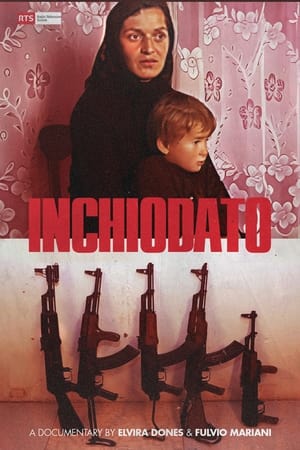
In northern Albania, ancestral customs still exist, governing the laws of vendetta between families. Sometimes, for generations, an old feud has pitted two clans against each other, condemning them to take turns murdering a member of the opposing family. This blood code, known as the Kanoun, has painful consequences for many Albanians, who are condemned to live in seclusion to avoid being killed.
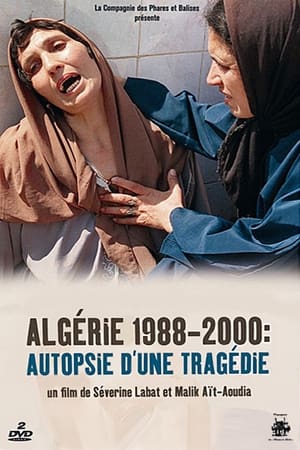
Algérie 1988-2000 : Autopsie d'une tragédie
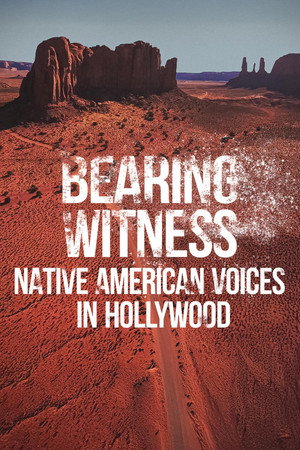
For over 100 years, Hollywood cinema has crafted the ultimate "villain"- the Indian, as they were labeled in early Westerns. Confined almost exclusively to this genre, the Western became a vehicle for American racism, obscuring the genocide upon which the United States was built. In this documentary, only Native Americans are given a voice to share their story, one that has been overshadowed by Hollywood's portrayal. Their narrative, part of the larger American story, highlights how cinema has long been used as a powerful propaganda tool, distorting history and perpetuating harmful stereotypes.