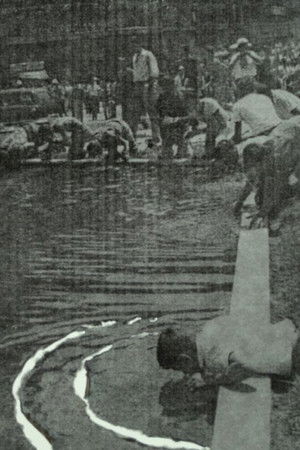
Six sequences about Fascism and its segments throughout history.
A closeup examination of a tree in the morning light.
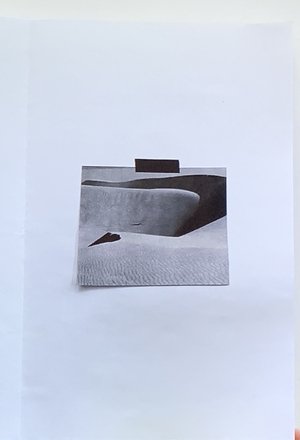
Kelli Connell spent a decade investigating and editing Edward Weston's photographs, Chris Wilson's writings, and her own photographs and writings to create the exhibition: Kelli Connell: Pictures for Charis and its accompanying book. - Cleveland Museum of Art
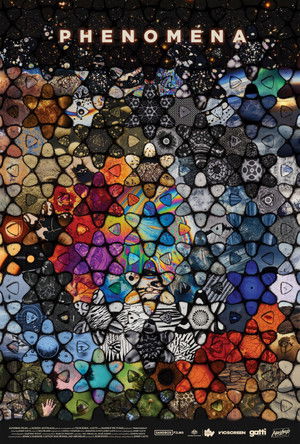
A psychedelic odyssey into the fabric of the universe, guided by a filmmaker’s immersive practical experiments that transcend into a deeply hypnotic audio-visual experience of awe and human connection to the natural world.
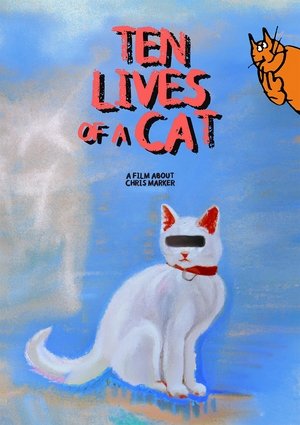
Ten years after the death of iconic French filmmaker, Chris Marker. A filmmaker, hoping to rediscover that unique sensibility against the uncertainty of the new century, returns to the places synonymous with those incomparable and unforgettable films-- From the cat cemetery of Sans Soleil, to the mausoleum of The Last Bolshevik; The caves of Level Five to the rooftops of The Case of the Grinning Cat. A biographical portrait of one of the 20th century's greatest and most misunderstood filmmakers.
A poetic documentary viewing the shared experience amongst people who have experienced loss.
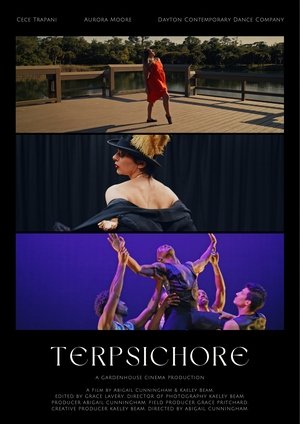
Terpsichore is a captivating exploration of dance as an art form, illuminating the passion, discipline, and vulnerability that transform movement into poetry. The documentary follows three distinct yet interconnected artists: Cece Trapani, an Irish dancer; Aurora Maur, a burlesque performer; and the Dayton Contemporary Dance Company (DCDC), a renowned contemporary dance ensemble. Through their stories, Terpsichore reveals the universal language of dance—one that transcends genre and speaks to the depths of human emotion. Intimate interviews and behind-the-scenes rehearsal footage offer a raw, unfiltered look at the artistry behind each performance, capturing the essence of dance as both personal expression and a bridge between artist and audience. More than a showcase of technique, Terpsichore delves into the soul of movement, celebrating its power to connect, inspire, and reveal the unspoken truths of the human spirit.
Shifting subtly between figuration and abstraction, with Rothko-esque golds and reds, the hypnotic En Traversée by prolific and steadfastly DIY filmmaker Vadim Kostrov evokes the poetry of dislocation by way of a world in motion.
The ten-minute Pragmatognossia plays with the letters of the Greek alphabet, through the voice of a small child who is coming out into the world for the first time. Old photographs, worn documents, faded seals, handwritten notes, tax registers, invoices, stamps, ... cracks in time but also little flames that keep the entire memory of the state alive, frame by frame".
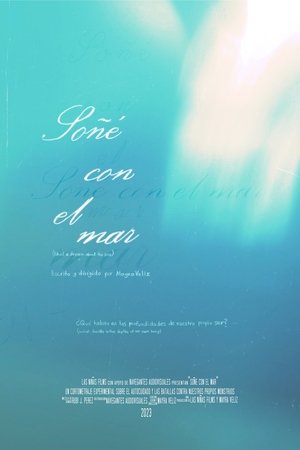
A monster that lives in the darkest part of the sea, a dreamlike representation of the journey towards the depths of something that one wants to avoid and that is finally faced.
Long before Kim Gordon was a cooler-than-thou multimedia artist in Body/Head, she was a cooler-than-thou multimedia artist in Sonic Youth. In the ’80s, Gordon and her bandmates were fixtures of New York’s downtown art and music scene; one regular haunt of theirs was legendary nightclub Danceteria, which served as the setting for a short film Gordon made sometime around 1985. Now, as Dangerous Minds points out, said video has surfaced online thanks to filmmaker/designer Chris Habib (a.k.a. Visitor Design). “Excellent video I found in my Sonic Youth archive,” Habib writes on the clip’s Vimeo page. “I digitized it for Kim during her [early 2000s] CLUB IN THE SHADOWS exhibition at Kenny Schachter’s old space in the West Village.”
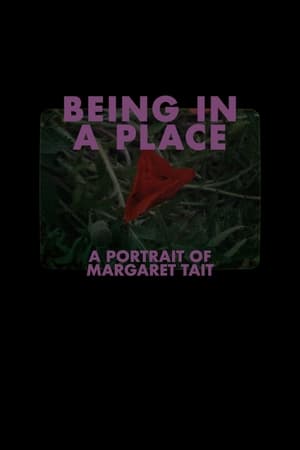
Drawing on a wealth of unseen archival material and unpublished notebooks, the film weaves a complex and personal portrait of Margaret’s life, from the perspective of a fellow artist sensitive to the potential Margaret envisaged for film as a poetic medium.
Tracing the faded time of those who once turned the pages Chŏng Yagyong(1762-1836)’s Chil Shil Gwan Hwa Seol (On Viewing Paintings from the Dark Chamber). In a dark room of their own, they steep tea, mend fragments with thread, and enfold them in bojagi cloth—crafting a cinema that was unseen.
Following a suicide attempt, a filmmaker assembles years of home videos and poetry to explore the trauma running through his family and his distorted memory of the past.
"In the final format for MAGELLAN, Frampton had planned to disassemble these two films into twenty-four 'encounters with death' that were to be shown in five-minute segments twice a month. In their present state, seen together and roughly the length of an average feature film, the two parts of MAGELLAN: AT THE GATES OF DEATH constitute perhaps the most gripping, monumental, and wrenching work ever executed on film...Frampton in 1971 began his filming of cedavers at the Gross Anatomy Lab at the University of Pittsburgh. He returned to the lab four times over the course of the next two years and then spent nine months assembling his 'forbidden imagery' into an extraordinary meditation upon death."–Bruce Jenkins
A documentary portrait of Utopia, loosely framed by Plato’s invocation of the lost continent of Atlantis in 360 BC and its re-resurrection via a 1970s science fiction pulp novel.
On the island of La Gomera, children imagine stories while they examine archeological remains. An ethno-fictional journey in which past and present coalesce, creating resonances between the volcanic landscape and Silbo, the whistled language of the island.
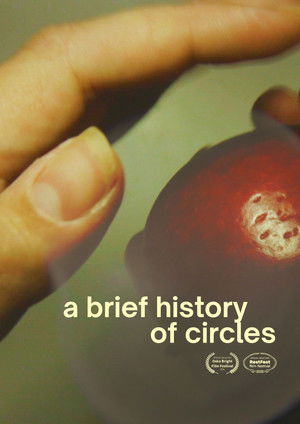
An experimental video essay which uses circles and waves to explore neurodivergent experience.
EVERY LIGHT
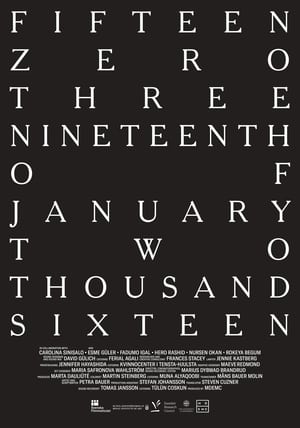
fifteen zero three nineteenth of january two thousand sixteen explores how everyday routines and gestures are transformed when a mother loses her child in the violence impacting Swedish outskirts since the early 2000s. The film resists simplistic media depictions of the suburbs and shows how a home can hold both mourning and the mobilization of women to fight for their own and others' children.