A dark and magical visit to the fabled Parisian address Rue Fontaine 42. This was the residence of André Breton, the mastermind of surrealism, who surrounded himself with an impressive collection of modern, Western art and ethnographic objects from Oceania and North America. The collection was sold and divided up in 2003 at a controversial auction. 'The Trick Brain' is a delirious montage and a trip back in time to Breton's private art collection, where Atkins has been scouring the archives and come up with a possessing interior film of the place that once was, complete with surrealistic paintings, scores of Indian figures and hundreds of other displayed rarities. The film's soundtrack is provided by an observant narrator, who reveals to us that the objects shown are not necessarily what they claim to be - but instead are catalysts for some kind of wonderful linguistic virus which reveals the real identity of things.
Covid, le secret des origines
For Muslims everywhere, the ultimate goal is to make the Hajj at least once during their lifetime. This spiritual journey is the basic premise of an entire religion and sees impoverished African Muslims mixing with their incredibly wealthy Western counterparts. This documentary follows some of the 20,000 Britons who make the journey to Mecca, unravelling the mysterious aura that surrounds this remarkable event. Combining the wondrous backdrop of Mecca with intriguing interviews that provide a previously undocumented view of Islam, Hajj will enchant both Muslims and non-Muslims alike.
Haunted by uncanny similarities between Nazi stage techniques and the showmanship employed by modern entertainers, a filmmaker investigates the dangers of audience manipulation and leader worship.
A group of conservationists take on the task of revitalizing the Balancán, Tabasco, research station and protect the howler monkey.
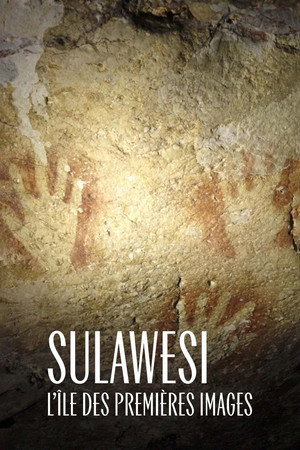
Sulawesi - Am Anfang war die Höhlenmalerei
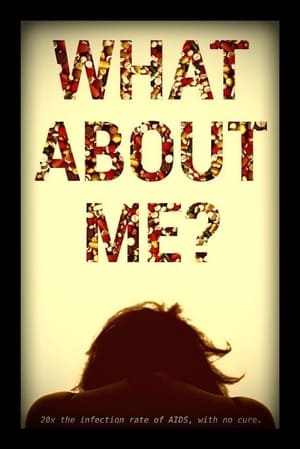
Inside the dramatic search for a cure to ME/CFS (Myalgic Encephalomyelitis/Chronic Fatigue Syndrome). 17 million people around the world suffer from what ME/CFS has been known as a mystery illness, delegated to the psychological realm, until now. A scientist in the only neuro immune institute in the world may have come up with the answer. An important human drama, plays out on the quest for the truth.
The history of Amos, a town in Abitibi-Témiscamingue (Quebec).
Le Grand Entretien avec Philippe Descola
Captain Kleinschmidt leads an expedition sponsored by the Carnegie Museum to the arctic regions of Alaska and Siberia to study the natives and the animal life.
This film is a portrait of unique cultural space for Spirits, Gods and People. While permanent theatres are commonly built in most cosmopolitan modern cities, Hong Kong preserves a unique theatrical architecture, a Chinese tradition that has lasted more than a century - Bamboo Theatre.
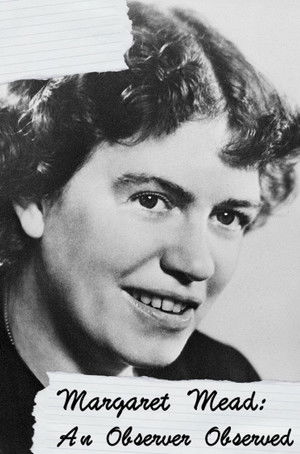
A documentary on the influential anthropologist Margaret Mead. Using never-before-seen archival footage, stills, interviews and dramatic re-creations, it shows the journey of how Mead became a scientist, adventurer, and international celebrity. As a true pioneer of cultural anthropology, her findings and ideas shaped how we think about ourselves.
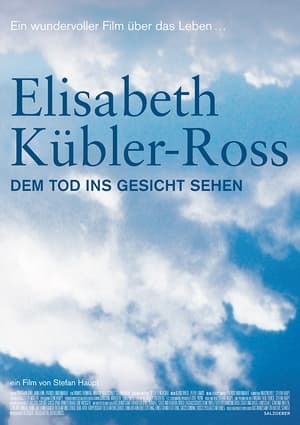
Groundbreaking psychiatrist and author Elisabeth Kübler-Ross dedicated her career to working with the incurably ill. In this intimate documentary filmed near the end of her life, Kübler-Ross relates her life story, from childhood to her final years. Friends, family members and colleagues weigh in with insightful observations and share their memories of this remarkable woman whose innovative concepts helped spawn the field of thanatology.
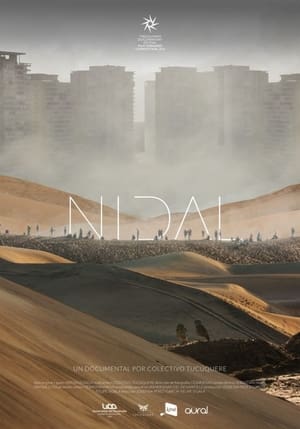
The real estate industry has destabilized the natural surroundings of the city of Concón, on the Chilean coast, forcing the inhabitants and landscapes of the region to find new ways to adapt and survive. “Nidal” depicts the cohabitating of species and the accelerated transformation of the landscapes due to human occupation.
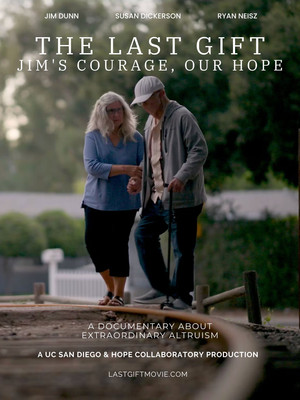
The Last Gift: Jim’s Courage, Our Hope is a moving short documentary exploring the intersection of science, altruism, and human dignity at the end of life. The film follows Jim Dunn, a man living with HIV who chooses to participate in UC San Diego’s Last Gift Study, a pioneering research effort enabling people nearing death to donate their bodies to science immediately after passing, helping researchers uncover where HIV persists despite treatment. Through intimate conversations, reflections on mortality, and moments shared with his wife Susan, clinicians, advocates, and scientists, the film reveals Jim’s profound desire to contribute to a future free of HIV. With honesty and grace, it captures the emotional complexity of end-of-life decisions and the extraordinary courage behind them. Jim’s legacy reminds us that scientific progress is built not only on data, but on human generosity, relationships, and hope.
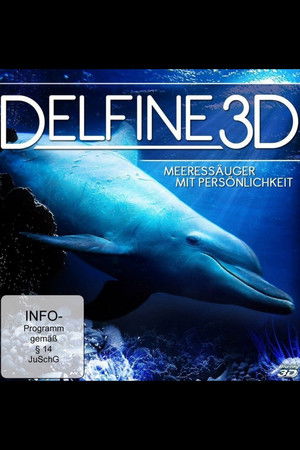
Delfine 3D
Kuldeep is in love, but the girl he wants to marry comes from a more prestigious caste than him. And no matter how much Kuldeep begs the goddess Kali to intervene on his behalf, the girl’s father is hard to convince.
On the night of 3 August 1996 a school of striped dolphins ran ashore near the village of Tuo on Ngasinue/Fenualoa Island in the Reef Islands (Solomon Islands). Dolphins have a special kinship-related link to the Aiwoo-speaking people in Tuo. Moffat Bonunga tells the legend or so-called local kastom story that explains why. Moffat's explanations are linked with those of another local expert, Commins Veio, who tells his version of the story to Nathaniel Meningi inside the men's house (sapolau) in Tuo. The night the dolphins run ashore, Moffat immediately contacts the film crew - the villagers want the crew to film this peculiar phenomenon. Although the film focuses on the kastom story and the villagers' re-enactment of the hunt, it also documents the villagers' joy that the sea once again has proved an important source of food.
In the jungles of the Solomon Islands, a remote archipelago in the South Pacific, a biologist is attempting to do something Charles Darwin and Ernst Mayr never accomplished: catch evolution in the act of creating new species. Albert Uy is on the verge of an amazing discovery in the Solomon Islands, but there's a threat looming on the horizon. The islands' resources are being exploited, putting all local wildlife at risk. It's a race against time to gather the evidence necessary to prove the existence of a new species before it's lost forever.
Biography of the ideas and teachings of Marcel Mauss, considered the founder of Anthropology who lived and wrote in the first half of the 20th century, in France. His work is discussed through the testimony of three students, carried out in Paris between 1997 and 1999. Denise Paulme died 4 months after the interview, Germaine Diertelen died 9 months later and Germaine Tillion, aged 95 in 2002, still works. The three were part of the first generation of French anthropologists, formed in the 1930s.