The chronicle of the process, ten long years, that led to the end of ETA (Euskadi Ta Askatasuna), a Basque terrorist gang that perpetrated robberies, kidnappings and murders in Spain and the French Basque Country for more than fifty years. Almost 1,000 people died, but others are still alive to tell the story of how the nightmare finally ended.
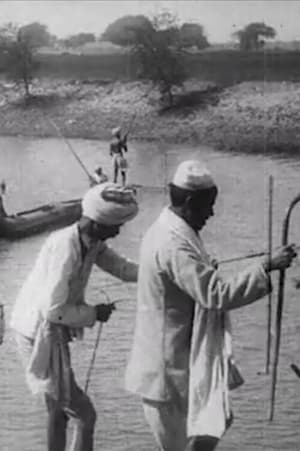
Amateur film of fishing and geese-shooting trips by a British party in India.
This pioneering documentary film depicts the lives of the indigenous Inuit people of Canada's northern Quebec region. Although the production contains some fictional elements, it vividly shows how its resourceful subjects survive in such a harsh climate, revealing how they construct their igloo homes and find food by hunting and fishing. The film also captures the beautiful, if unforgiving, frozen landscape of the Great White North, far removed from conventional civilization.
Examines the violence and civil disobedience leading up to the hallmark decision in U.S. v. Washington, with particular reference to the Nisqually Indians of Frank's Landing in Washington.
Every day, fishermen venture out into the polluted waters of Sepetiba Bay to provide for their families, searching for what remains of the region's marine life.
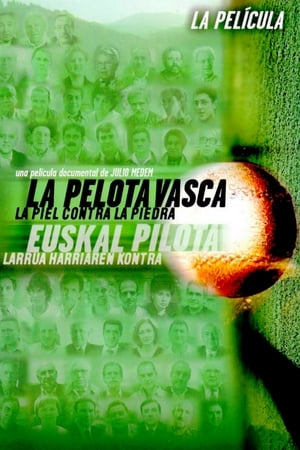
Pilot chapter of the film series 'Ikuska', a compilation of shorts on the Basque Country’s culture and politics. A documentary about the referendum on the Spanish constitution.
160 meters is the distance between the two banks of the estuary of Bilbao. An economic, social and cultural approach at two ways of looking at life.
The Maharajah of Kapurthala and guests travel on elephants and men catch fish on the River Bias.
Experience a year in a classroom in Ilulissat, where kids have each others' backs, participate in exciting activities and navigate friendships and challenges in their daily lives.
Jak se žije s českou rybou podle Jána Piroha
Ľudové rybárstvo na Slovensku
An attempt to create a bridge between the different political positions that coexist, sometimes violently, in the Basque Country, in northern Spain.
Louisiana filmmaker, Pat Mire, teams up with veteran filmmaker and cinematographer, Charles Bush, to capture the natural drama of handfishing in this award-winning documentary. Highly visual, the film examines the thrilling regional phenomenon of Cajuns who wade in murky bayou waters to catch huge catfish and turtles by reaching into hollow logs and stumps with their bare hands. Friends and family accompany the handfisherman to the bayou banks for Cajun music, festive cooking, and storytelling, and to witness this increasingly rare tradition. Told from the inside with multiple voices, Mire and Bush explore the chain of events set off by man's attempt to "improve" his environment by dredging bayous in this remarkable study of the relationship between cultural and natural resources.
Ráj rybářů
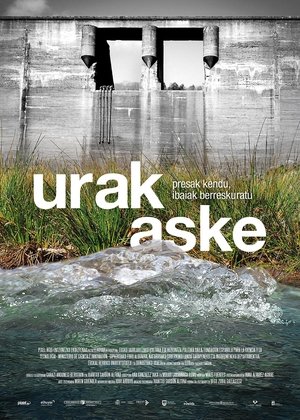
Draining two million cubic meters of water to protect a small animal in danger of extinction. This has been the task of those who have worked to remove the Enobieta reservoir and ensure a safe haven for the Pyrenean desman. This amazing story took place in Artikutza, the estate that San Sebastián bought in Navarre a century ago and which is now one of the best-preserved natural sites on the Cantabrian coast. In Normandy, meanwhile, the large Vezins dam has been removed. Its demolition will allow salmon to return to the Sélune River. Abandoned dams on rivers are barriers to biodiversity, and their demolition allows us to imagine a more habitable planet. That future will depend on small gestures, or large ones, such as those in Vezins and Enobia.
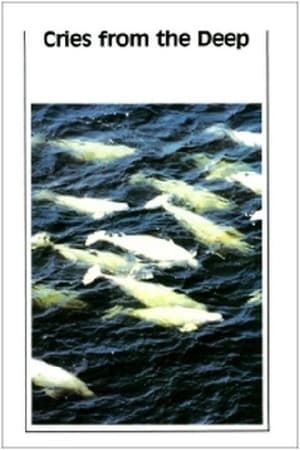
This documentary records the journey undertaken by Jacques Cousteau, his 24-member team, and an NFB film crew to explore the Grand Banks of Newfoundland, one of the world's richest fishing areas. They discover shipwrecks, film icebergs and observe beluga whales, humpback whales and harp seals. The film also includes a fascinating sequence showing Calypso divers freeing a calf whale entrapped in a fishing net.
In 1965, on the Eastern Shore of the Chesapeake Bay, there was the last operating fleet of sailing work boats in the United States. Forty-odd "Skipjacks" were still used by Maryland watermen to dredge up oysters from the Bay. At that time, the fleet had survived because of a Maryland conservation law which prohibits the use of motor power for oyster dredging. The watermen traditionally marked the opening of each oystering season with a skipjack race which the Maryland State Tourist Board incorporated into its annual "Chesapeake Bay Appreciation Day."
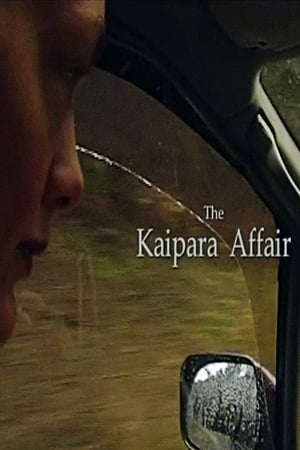
A documentary about the threat posed to New Zealand's Kaipara Harbour by rapacious commercial fishing and development.
Nachtwake
A modern geisha travels through Japan trying to find a job as entertainer, and ends up by finding love and a job as ama, a pearl diver.