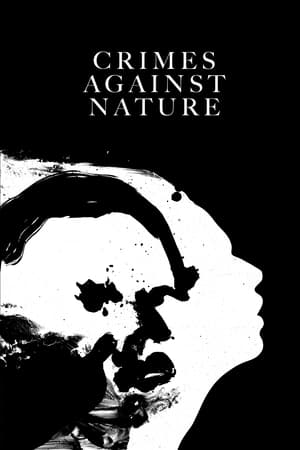
The shocking story of Richard Leopold and Nathan Loeb, two wealthy college students who murdered a 14-year-old boy in 1924 to prove they were smart enough to get away with it.
It's a tale of two shocks. 1992, Les Nuits fauves hits theaters. 1993, Cyril Collard dies of AIDS. The artist and his film caused a scandal in 90s France, which suddenly realized the violence of the epidemic and the upheaval it would bring for its children... Collard's work still resonates today, through its depiction of the rage of life and sexual freedom, and the courage it takes to face up to the inevitability of the virus. This documentary is supported by powerful archive footage, allowing us to rediscover the destiny of a striking artist. It is also based on the testimonies of those who knew him and agreed to talk about who he was, the driving forces behind his rebellion and his way of creating. The film is also punctuated by readings from some of the thousands of letters sent to Cyril Collard, revealing what it was about his work that struck a chord with viewers, especially younger ones.
In 1959, Jean Cocteau looked back on his artistic journey for the Télé Monte-Carlo television show Tout la vérité, rien que la vérité. The program ends with a tasty anecdote about television that Cocteau describes as a “box of tricks”. A few weeks later, in the same Victorine studios, Cocteau directed most of the sequences for his last opus: The Testament of Orpheus (1959).
As a result of the Holocaust and later, AIDS, the male homosexual community has sustained bitter losses and, according to Praunheim, lesbian women have now placed themselves at the head of the so-called queer movement. The female protagonists in the film represent two different generations; they also incorporate the past and present status of homosexuals in society.
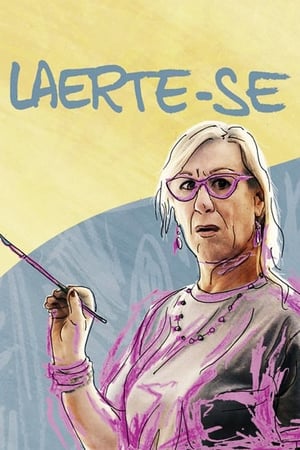
In this film, Laerte conjugates the body in the feminine, and scrutinizes concepts and prejudices. Not in search of an identity, but in search of un-identities. Laerte creates and sends creatures to face reality in the fictional world of comic strips as a vanguard of the self. And, on the streets, the one who becomes the fiction of a real character. Laerte, of all the bodies, and of none, complicates all binaries. In following Laerte, this documentary chooses to clothe the nudity beyond the skin we inhabit.
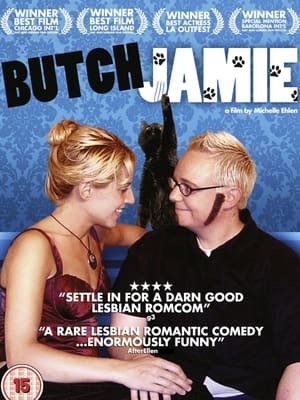
When Sarah accidentally proposes to her girlfriend in Provincetown, the mixup turns their loving relationship into a minefield of marital exploration.
Richard Fontaine and Bob Mizer started the current exploration of the male nude in film and photography. The two shared ideas props and models and reinvented some of the sexual icons that we all still recognise today. The gladiator the sailor, the cowboy… Starting with posing-straps and graduating to nudes their "art studies" enlisted the talents of up-and-coming actors and bodybuilders. This film recalls that era.
The director meets Amir and Ramzi in a café in a small Tunisian town. They don't want to be seen there. They have to find a discreet place to talk. Like many other gay couples in Tunisia, Amir and Ramzi are living a nightmare since the Tunisian Revolution. With them, the director will discover the daily life of the Tunisian homosexual couples, even in the discrete parties organized in hotels of the country.
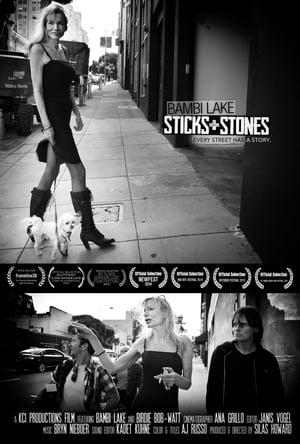
Bambi Lake, a notorious San Francisco transgender performer and entertainer, takes us on a stroll down Polk Street, sharing anecdotes and the history behind her song Golden Age of Hustlers, which was written about her time as a street hustler in the mid-70’s.
Robert Oppel's documentary about the life and murder of his uncle and namesake, Robert Opel, the man who streaked the Academy Awards in 1974.
Chronicles of a male homosexual drug addict in 1980's in voice-over with long take scenes from Rome, television snippets of news of Gulf War and commercials.
A short film that follows Tiana, a young woman navigating the fragile space between self-discovery and belonging in contemporary Brazil. After distancing herself from a turbulent past, she tries to rebuild her identity while confronting expectations imposed by family, society, and her own desire for freedom. As new relationships open doors to intimacy and vulnerability, Tiana must decide whether to embrace the version of herself she has long hidden or continue living in the shadows. The film explores gender, transformation, and queer resilience through a tender, character-driven lens.
A young group of actors are preparing an updated version of Shakespeare's ROMEO & JULIET. Two boys perform the central roles - both of them struggling with their own questions of love alongside their roles on stage. And as rehearsals begin, reality soon starts to interfere with the play.
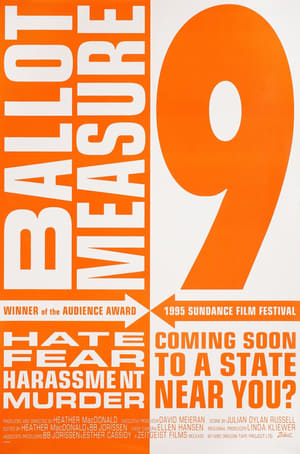
Ballot Measure 9 was an anti-gay amendment proposed to Oregon voters in 1992 by the conservative group, Oregon Citizen's Alliance. This documentary goes behind the scenes of the fight to stop Measure 9. It contains portions of anti-gay videos produced by the Citizen's Alliance as well as news clips and interviews with the people who successfully fought passage of Measure 9.
Follows the progress of the Euromaidan revolution from the perspective of LGBT Ukrainians. From accounts of exile and torture, to stories of resistance, this film shows a side of the conflict in Ukraine the world has not yet seen.
The video revolution of the 1970s offered unprecedented access to the moving image for artists and performers. This Is Not a Dream explores the legacies of this revolution and its continued impact on contemporary art and performance. Charting a path across four decades of avant-garde experiment and radical escapism, This Is Not a Dream traces the influences of Andy Warhol, John Waters and Jack Smith to the perverted frontiers of YouTube and Chatroulette, taking in subverted talk shows and soap operas, streetwalker fashions and glittery magic penises along the way.
Documentary about four Chinese lesbian women who seek contract marriages with gay men, and form of their lesbian and gay community and fulfill their desires.
La Esmeralda, historia de una vida
Tom Daley visits the most homophobic countries in the Commonwealth to explore how gay athletes are facing extreme persecution. What can the Commonwealth Games do to help?
It's 1974. Muhammad Ali is 32 and thought by many to be past his prime. George Foreman is ten years younger and the heavyweight champion of the world. Promoter Don King wants to make a name for himself and offers both fighters five million dollars apiece to fight one another, and when they accept, King has only to come up with the money. He finds a willing backer in Mobutu Sese Suko, the dictator of Zaire, and the "Rumble in the Jungle" is set, including a musical festival featuring some of America's top black performers, like James Brown and B.B. King.