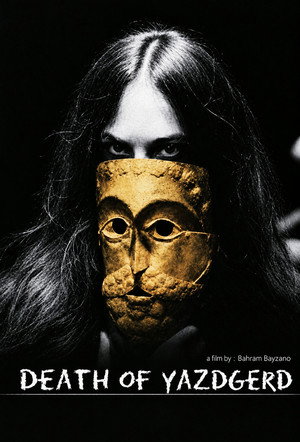
A poetic imagining of the circumstances leading to the death of Yazdgerd III, the last of the Sassanid kings of Iran. His death in 651, during the Arab invasions that brought Islam to this Zoroastrian realm, remains mysterious: his corpse is discovered in a mill, but the cause of death—and the whereabouts of his remains—are unknown.
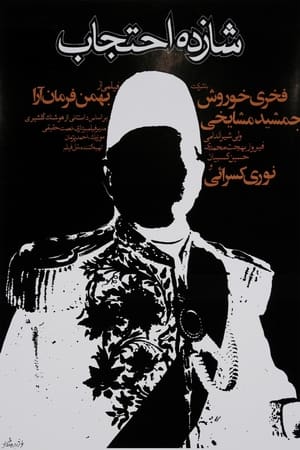
Prince Ehtejab, one of the last remaining heirs of the Qajar royal family, is suffering from tuberculosis, which he knows is fatal. He spends his last days alone in the magnificent rooms of his wintry palace, from where he recollects the glory days of his ancestors as well as days of degradation. Among the latter are the gruesome manner in which his cruel grandfather murdered his mother and brother, and the way that he himself caused the death of his wife.
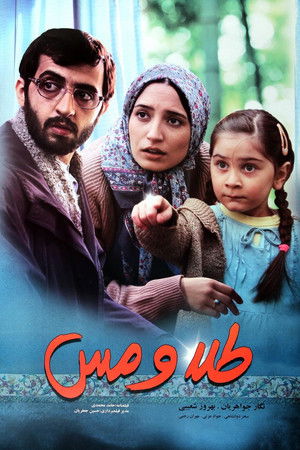
A Tehran mullah-in-training struggles to take care of his ailing wife and their children in this profoundly moving melodrama. A film of near-universal appeal, it puts a human face on Iran's Muslim clergy with its unusual tale of a man forced by hardship to become a better husband and father. Seyed Reza has just moved with his family to Tehran so he can study the Koran, and he relies on his lovely wife Zahra to look after their two young children and weave the intricate rugs that earn them a living. But one evening Zahra collapses and is taken to the hospital, where she's diagnosed with multiple sclerosis. Scarcely able to process the tragedy, Seyed is left to cook, change diapers, walk his daughter to school and take his toddler son with him to his classes, where peers and elders treat him with scorn. But Seyed eventually learns to cope, his prayers and devotional studies taking on deeper meaning as he attends to the hard nightly work of rug weaving, getting through with a heavy ...
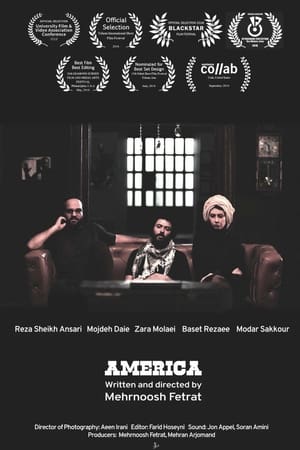
An Iranian journalist couple wants to move to America to escape the difficulties of their country. The woman receives her visa but her husband doesn't. He stays in Iran and watches his wife find success on television and falls into a state of depression.
An Iranian film.
An Iranian Film
After having medical problems, and after a long time, Mina becomes pregnant, but she feels ignored by her husband, Hesam. Since he has become concerned and involved with the personal and family problems of his colleague Shirin, who has recently divorced from her husband...
An Iranian film
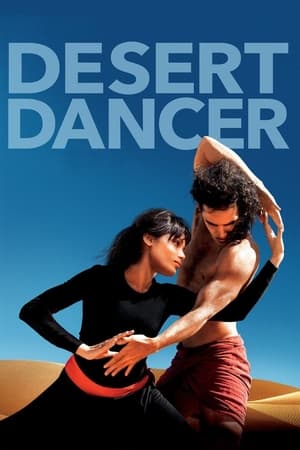
Inspirational true story of Iranian dancer Afshin Ghaffarian, who risked his life for his dream to become a dancer despite a nationwide dancing ban.
25-year-old Arghavan lives with her parents in Tehran, and intends to marry her fiancé, Hesam. One day, her short stories win her a grant to attend a writing workshop in Germany. Soon before she is to leave, however, Arghavan is abducted and raped. In a strict, conservative society where young women are expected to be virgins before marriage, this is a social catastrophe. Plagued by gossip and finding little solace, Arghavan's life begins turning into a nightmare.
Hamid is an Iranian teenage boy whose sexuality brings him into conflict with his family's Muslim beliefs.
Famed actress Susan Taslimi plays three roles here: Kian, who doubts her identity; Vida, the twin sister, a self-assured artist; and their mother, who gives up one child out of fear of poverty, then deprives the other of affection due to deep regrets regarding the child whom she has abandoned.
Revenge may have irreversible consequences.
The mirror man
Behrani, an Iranian immigrant buys a California bungalow, thinking he can fix it up, sell it again, and make enough money to send his son to college. However, the house is the legal property of former drug addict Kathy. After losing the house in an unfair legal dispute with the county, she is left with nowhere to go. Wanting her house back, she hires a lawyer and befriends a police officer. Neither Kathy nor Behrani have broken the law, so they find themselves involved in a difficult moral dilemma.
A Sentença
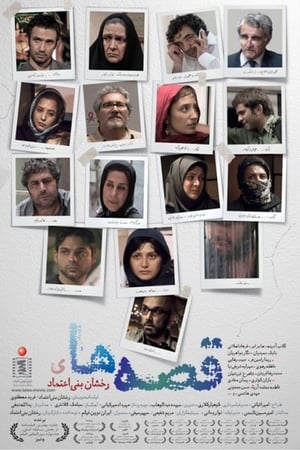
Award-winning Iranian filmmaker Rakshan Banietemad ends her eight-year hiatus from feature filmmaking with this ingenious, mosaic-like narrative, which knits together the stories of seven characters to create a microcosm of Iranian working-class society.
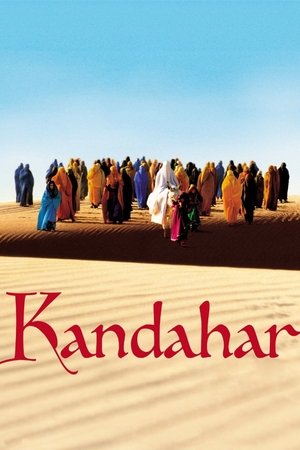
After an Afghanistan-born woman who lives in Canada receives a letter from her suicidal sister, she takes a perilous journey through Afghanistan to try to find her.
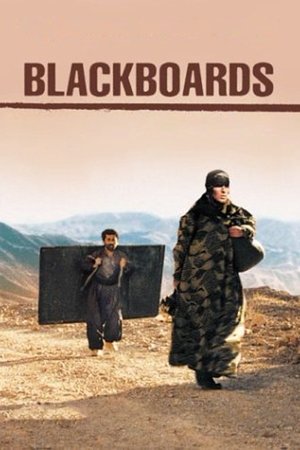
Itinerant Kurdish teachers, carrying blackboards on their backs, look for students in the hills and villages of Iran, near the Iraqi border during the Iran-Iraq war. Said falls in with a group of old men looking for their bombed-out village; he offers to guide them, and takes as his wife Halaleh, the clan's lone woman, a widow with a young son. Reeboir attaches himself to a dozen pre-teen boys weighed down by contraband they carry across the border; they're mules, always on the move. Said and Reeboir try to teach as their potential students keep walking. Danger is close; armed soldiers patrol the skies, the roads, and the border. Is there a role for a teacher? Is there hope?
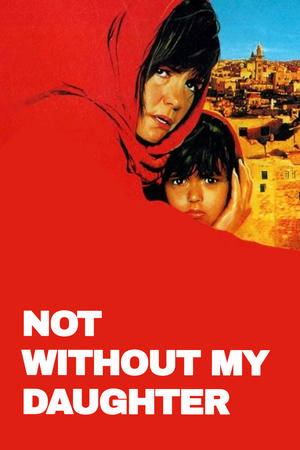
An American woman, trapped in Islamic Iran by her brutish husband, must find a way to escape with her daughter as well.