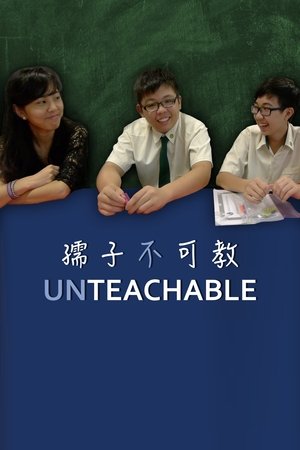
Ng Meixi returns to Singapore having spent time in Mexico working with low-performing students. She joins a local school as a relief teacher but takes on a mammoth task: to pilot a new pedagogy to help students in the Normal (Technical) stream learn better. She reconfigures the classroom from a teacher-directed one to a community that aims to empower students as learners and tutors to each other. Will this work in Singapore’s result-oriented education system?
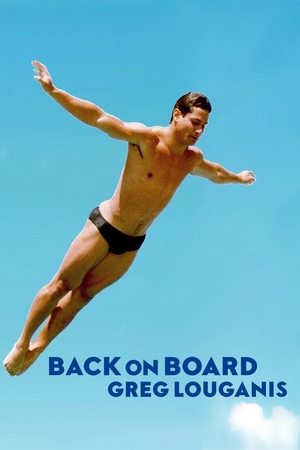
Feature-length documentary about the greatest diver of all time. Four-time Olympic champion Greg Louganis has faced more than his share of challenges. In 2011, he is far from the public eye and struggling to pay his mortgage. Now, the openly gay, HIV+ world-class athlete returns to diving to mentor the USA Olympic hopefuls. This may be his best chance to regain the notoriety -- and financial stability -- he enjoyed at the height of his career.
The film's protagonists are the orphaned children taken into custody by the state and institutionalized at Children's House no. 6 from Bucharest. For Mészáros, the concern for the situation of children left orphaned during the Second World War is autobiographical: the director directly experienced the absence of parents in her own childhood.
A short documentary following the launch of the first trial to use Coca-Cola's crates and distribution know-how to deliver life-saving anti-diarrhea kits in Zambia.
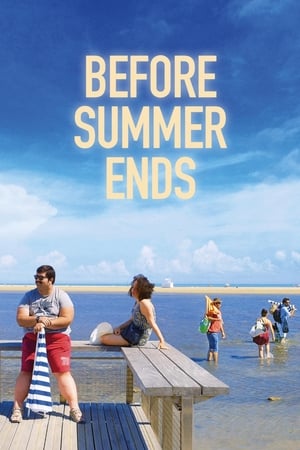
After five years studying in Paris, Arash has not adjusted to life there and has decided to return to Iran to live. Hoping to change his mind, his two friends Hossein and Ashkan convince him to take a last trip through France.
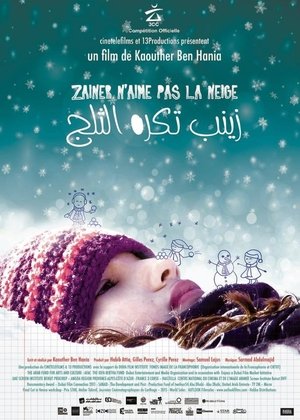
When her mother remarries and her newly blended family moves to Canada, a 9-year-old Tunisia girl's life takes a profound turn as she struggles to find her place and maintain her Muslim identity in a new land.
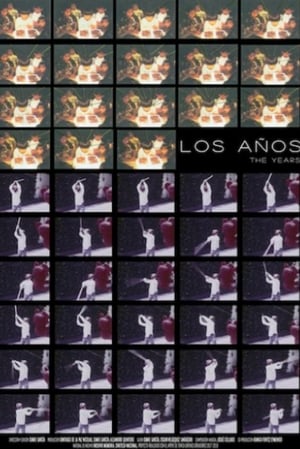
Los Años is a meditation about time, memory and mortality through our representation in images and our lives' rituals. This short highlights our abstract way of understanding time and collective experiences.
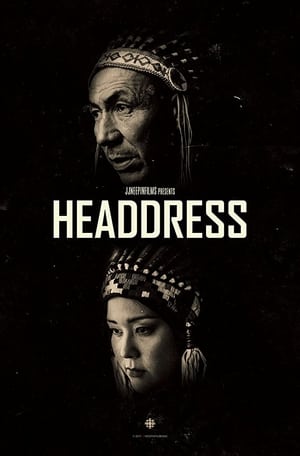
For First Nations communities, the headdress bears significant meaning. It's a powerful symbol of hard-earned leadership and responsibility. As filmmaker JJ Neepin prepares to wear her grandfather's headdress for a photo shoot she reflects on lessons learned and the thoughtless ways in which the tradition has been misappropriated.
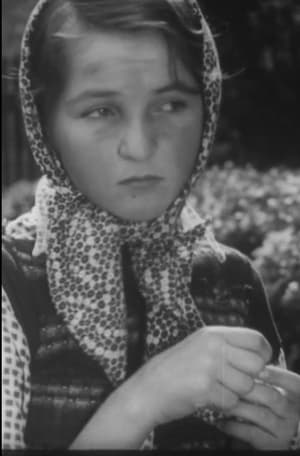
Made on the occasion of March 8, it presents a series of brief portraits of women, from various professional fields, of different ages and even of different ethnicities, pointing out the benefits that the communist organization had brought to their daily lives. A special emphasis is placed on their status as mothers and on the role of nurseries and socialist kindergartens not only in making their lives easier, but also in giving them the time they need to build a career. Another concern of the filmmaker, starting from the concrete case of one of the protagonists, is to highlight the differences between the happy present and the not-too-distant past in which someone with her social status should have dedicated herself exclusively to raising children, in hygienic and extremely difficult lives.
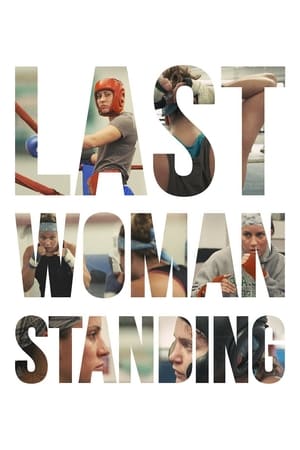
In this thrilling doc, two world champion women boxers and former friends must face each other in the ring for a chance to win gold at the 2012 Olympics.
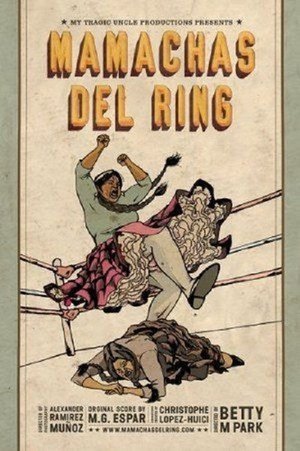
Set in the heights of the Bolivian Andes, Mamachas del Ring is the story of Carmen Rosa the Champion, an indigenous woman who struggles to make it on her own in the male-dominated world of Bolivian professional wrestling.
Documentary about the history of the bateyes, informal settlements surrounding the mills to house workers. Throughout the film, Sara Gómez recovers the political and cultural relevance of black migrants.
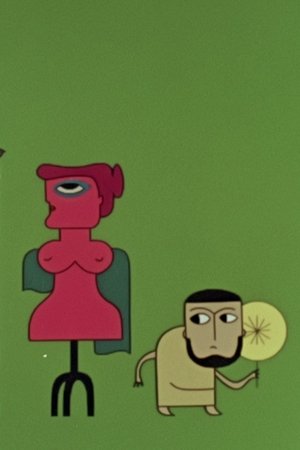
Experimental animation film, with a visual focus on geometrical shapes and straight lines
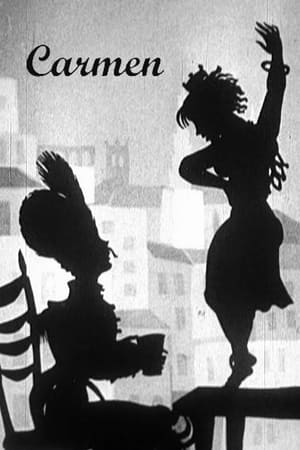
Silhouette film. Based on Bizet’s opera “Carmen”.
Cornelia Hesse-Honegger has been drawing and painting mutated insects since Chernobyl. Her large-format pictures make the invisible visible. For a long time, she was ridiculed for this. When photos of deformed butterflies from Fukushima went around the world, she felt vindicated. In the laboratory of Japanese biologist Joji Otaki on the island of Okinawa, it became obvious: radiation causes mutations.
Georgiana Halmac is turning 15 this winter, but she has no time for teenage dreams when her mother, who's on unemployment, moves to Torino to find work. Georgiana is left in charge of her six siblings in a social housing condo on the outskirts of Bacau, Romania. Caught between adolescence and the responsibilities of adulthood, Georgiana does the best she can, improvising with parenting advice from the television and the occasional phone call with her mother. As she handles her own issues and high-school dramas, Georgiana must also deal with admonishing neighbours who threaten to turn the whole family into social services. With incredible calm and stoicism, Georgiana amazes as she holds everything together in an ingenious and delicate balance.
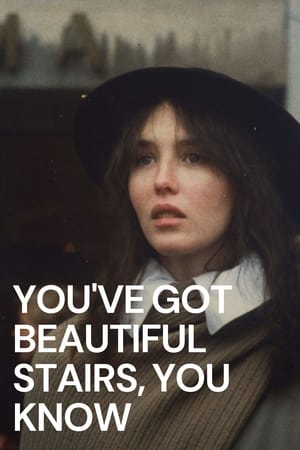
Short directed by Agnès Varda in 1986 on the occasion of the 50th anniversary of the French Cinematheque, presenting a contrast between the famous stairs from the place along with classic film images also revolving around stairs.
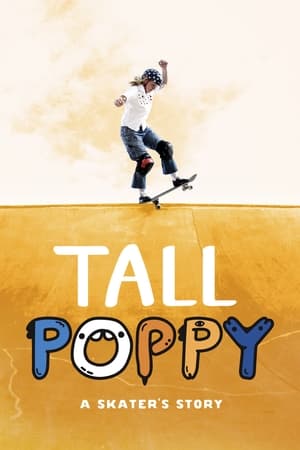
A child who just loved to skate from the age of eight, Poppy Starr Olsen became the number one female bowl skater in Australia at 14 and went on to take out bronze at the XGames at 17 - the ultimate competition in the world of skateboarding. The same year, skateboarding was announced as an official additional sport category at the Tokyo 2020 Olympics. Now faced with the opportunity to represent Australia on the world stage Poppy grapples with the transition from skater to athlete and the pressure of competition mounts in a way it has never done before.
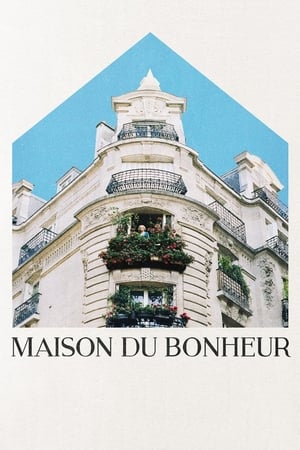
When asked to make a documentary about her friend’s mother—a Parisian astrologer named Juliane—the filmmaker sets off for Montmartre with a Bolex to craft a portrait of an infectiously exuberant personality and the pre-war apartment she’s called home for 50 years.
Lucy Daniels believes that a family secret told to her as a four year-old radically impacted the trajectory of her life, and set in motion a life-long debilitating mental illness. Born into a powerful newspaper-magnate family, from an early age Lucy defined her worth by her ability to write. Despite early success, she was struck with severe anorexia and underwent brutal treatment in mental institutions, only to survive, pen her first best-seller, and ultimately win a Guggenheim Prize in literature - all before the age of 22. The first of its kind, this hybrid documentary weaves together 'relational' recreations, animated dream sequences, constructed worlds and intimate interviews to tell a worthwhile story of survival and creativity, filtered through the eyes of filmmaker and subject.