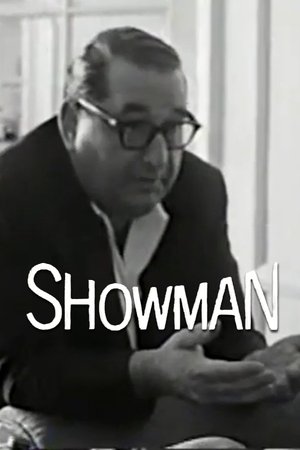
Albert and David Maysles (Gimme Shelter) directed this 53-minute documentary about movie tycoon Joseph E. Levine (1963).
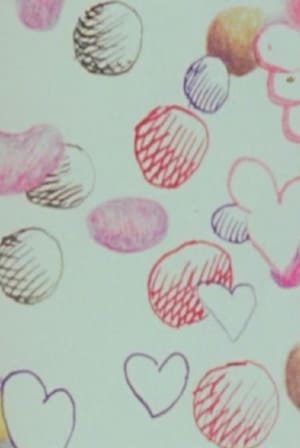
The animation, music, and optical printing of Kitsch in Synch was produced by Beckett and the students in two classes he was teaching at CalArts. Although a group project, it is clear that Beckett was the director. The playful, catchy soundtrack is used to create a cycle of building tension and release. The brightly colored shapes create approximate symmetrical formations and become more densely layered, with glimpses of iconographic objects and even live footage near the end. Preserved by the Academy Film Archive, in partnership with the iotaCenter, in 2007.
A historical film contrasting the two Germanies – the good and the evil – which struggled for power between the two world wars.
The fourth film by a member of the '2nd generation' of computer filmmakers, artists who do their own programming. Abstract imagery includes some hand drawings. Synthesizer soundtrack. Preserved by the Academy Film Archive in 2012.
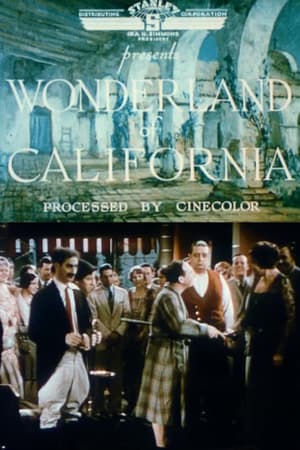
Short film made up of various clips showcasing the Cinecolor process, including a visit to a Marx Brothers film set. Preserved by the Academy Film Archive in partnership with The Film Foundation.
Odds & Ends is a sly comment on the collage film and Beat culture. To discarded travel and advertising footage found at a local film laboratory, Belson Shimane added a mélange of animation—assemblages, cutouts, color fields, and line drawings—and faux hipster narration by Jacobs (credited via the anagram Rheny Bojacs) punctuated by a bongo backing. Strung together with doublespeak and non sequiturs, the monologue skirts the edge of nonsense as Jacobs waxes on about poetry, jazz, “reaching the public,” “having a good time,” and—although “money doesn’t count”—the “possibility of subsidy” through grants. Footage of champagne, tropical beaches, and exotic peoples intermingle with rhythmic drawings and stop-motion flights of fancy. The visuals race on through dazzling transformations, both amplifying and undercutting the patter. —National Film Preservation Foundation. Preserved by the Academy Film Archive in partnership with Iota Center Collection in 2006.
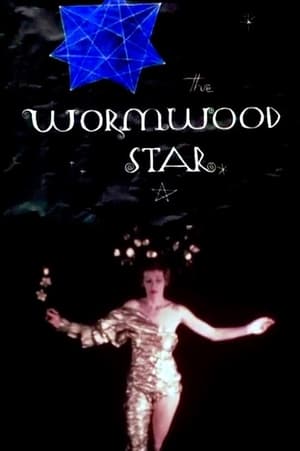
A portrait of artist, actress, poet and occultist Marjorie Cameron, presenting images of her paintings and recitations of her poems.
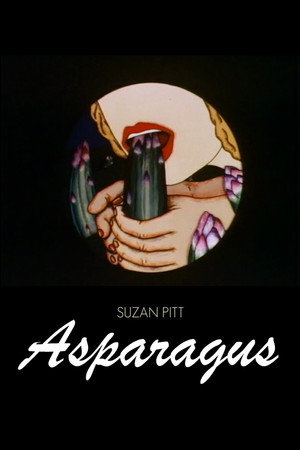
A symbolic reflection on issues of female sexuality, art and identity constructs.
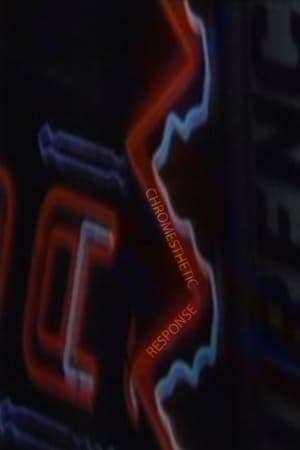
A collage of human-created worldly surfaces - sidewalks, streets, storefronts - that evoke subtle and mysterious noises. "Chromesthesia" is a condition whereby one sees a color or shape and experiences a sensation of taste, smell or hearing. Preserved by the Academy Film Archive in 2016.
Decollages Recolles is a mystery as it is unfinished, with no indication of the track Hirsh intended. We had two reels, each with a head title, but no identification whether they were to be printed together, or projected side by side (which seems more likely). Parts of reel one have optically printed layers of fireworks, oscilloscopes, birds, etc. Hirsh reprinted images similar to those in Eneri, Come Closer and Divertissement Rococo. Reel two is a much less polished collage with live action shots including city windows, a marching band, monkeys, circus performers, Charlie Chaplin footage and Paris neon at night. Preserved by the Academy Film Archive in partnership with iotaCenter and National Film Preservation Foundation in 2000.
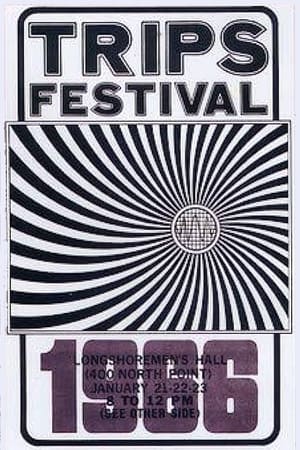
Van Meter had three camera rolls of 7242 Ektachrome EFB, which he fully ran through his camera each day of the 3-day Trips Festival. The end result was three 100 ft. rolls of film that each had been triple exposed in-camera, each layer of exposure representing a day of the festival. Aside from just two or three necessary structural edits, Ben spliced the three rolls together essentially unedited. This was then set to a soundtrack that was achieved in roughly the same manner, via triple layering of sound he recorded throughout the festival; He calls the film “a documentary of the Trips Festival from the point of view of a goldfish in the punch bowl.”
A film by Robert Nelson. Preserved by the Academy Film Archive in 2011.
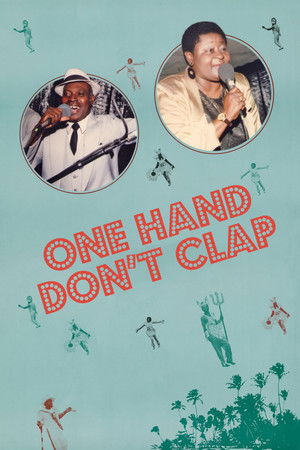
Kavery Kaul’s engaging documentary traces the history of calypso and soca music from their birth in the African-East Indian traditions of Trinidad and Tobago through its worldwide diaspora, including its popularization in the 1950s by Harry Belafonte and the new independent distribution networks that arose to serve the expatriate community in the 1980s.
A description and enactment of the discovery of gold by James Marshall, and the role played by John Sutter. Preserved by the Academy Film Archive.
A joyous, chaotic and colorful romp through nature; A psychedelic dance troupe rehearses in a studio.
A film's art director is in charge of the set, from conception to construction to furnishing. This short film walks the viewer through art directors' responsibilities and the demands on their talents. They read a script carefully and design a set to capture the time and place, the social strata, and the mood. They must be scholars of the history of architecture, furnishings, and fashion. They choose the colors on a set in anticipation of the lighting and the mood. Their work also sets styles, from Art Deco in the 20's to 30s modernism. Then it's on to the next project. Preserved by the Academy Film Archive in 2012.
After the suspicious suicide of a fellow cop, tough homicide detective Dave Bannion takes the law into his own hands when he sets out to smash a vicious crime syndicate.
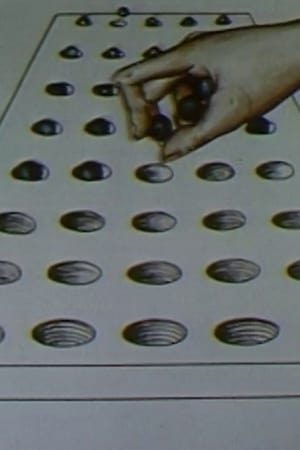
An animated short consisting of 4 segments: bowl, garden, theatre, marble game. Preserved by the Academy Film Archive in partnership with Harvard Film Archive in 2015.
Beckett cycles through a limited number of drawings, but adds new information to each drawing every time we see it, giving the sense of a world that is infinitely rich and also obviously contained tightly within the edges of the paper. Preserved by the Academy Film Archive in partnership with iotaCenter and National Film Preservation Foundation in 2007.
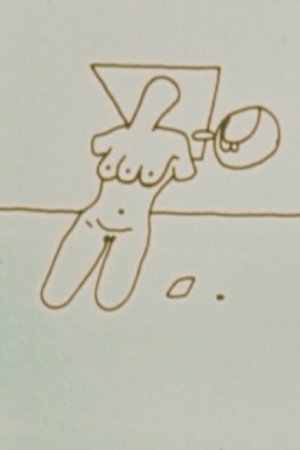
In Flesh Flows we see a balance of Beckett’s keen drawing ability, in the probing erotic forms, and his technical acuity, which transforms the carnal images into a compelling, transcendent experience. Preserved by the Academy Film Archive in partnership with iotaCenter and National Film Preservation Foundation in 2007.