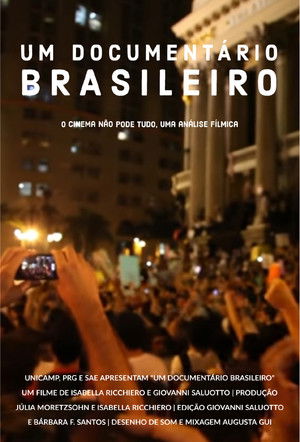
A look at the Brazilian black movement between 1977 and 1988, going by the relationship between Brazil and Africa.
A film about a young woman's future plans in Munich, Germany. MUNCHEN, RAPHAELA (also known as RAPHAELA RING MUNCHEN) is part of Mike Plante's Lunchfilm series of commissioned shorts (made for the cost of a lunch between Plante and filmmaker Kevin Jerome Everson).
A new exploration of familiar places located in the region of Rhône and Isère throught an reinvention of digital nuances, a study of perceptions and fluidity around the nature of motion in landscapes and human interactions.
A personal essay which analyses and compares images of the political upheavals of the 1960s. From the military coup in Brazil to China's Cultural Revolution, from the student uprisings in Paris to the end of the Prague Spring.
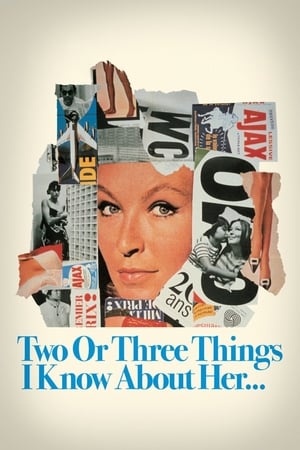
As the city of Paris and the French people grow in consumer culture, a housewife living in a high-rise apartment with her husband and two children takes to prostitution to help pay the bills.
Twenty-five films from twenty-five European countries by twenty-five European directors.
In home-movies shot in the ‘90s by her father, the filmmaker discovers in these inherited images powerful fictions of the Argentinian middle class and the country’s recent history.
A flickering dance of intriguing imagery brings to light the possibilities of ordinary movements from the everyday which appear, evolve and freeze before your eyes. Made entirely from archive photographs and footage from the earliest days of moving image, All This Can Happen (2012) follows the footsteps of the protagonist from the short story 'The Walk' by Robert Walser. Juxtapositions, different speeds and split frame techniques convey the walker's state of mind as he encounters a world of hilarity, despair and ceaseless variety.
The winner of the Miss World Virginity contest marries, escapes from her masochistic husband and ends up involved in a world of debauchery.
A personal meditation on Rumble Fish, the legendary film directed by Francis Ford Coppola in 1983; the city of Tulsa, Oklahoma, USA, where it was shot; and its impact on the life of several people from Chile, Argentina and Uruguay related to film industry.
A written testimony by co-director Jin Ryoo on his experience preparing for Korean compulsory military service is juxtaposed with images of an empty UCSD campus, the desolate construction sites sprawling off of it, and the Mt. Soledad Veterans Memorial.
A surreal musical comedy set in a world where the avant-garde and the mainstream are reversed.
The images from the landing of the first expedition of the spaceship Columbia are juxtaposed to a reflection on the function of the visual medium, and artistic creation as a whole.
In 1919 an art school opened in Germany that would change the world forever. It was called the Bauhaus. A century later, its radical thinking still shapes our lives today. Bauhaus 100 is the story of Walter Gropius, architect and founder of the Bauhaus, and the teachers and students he gathered to form this influential school. Traumatised by his experiences during the Great War, and determined that technology should never again be used for destruction, Gropius decided to reinvent the way art and design were taught. At the Bauhaus, all the disciplines would come together to create the buildings of the future, and define a new way of living in the modern world.
History, work, sex, cinema, death and my older brother. An essay on what swimming pools mean in culture and the collective memories we have about them. Inspired by Ed Ruscha's swimming pool photographs.
An enigmatic glimpse of life through precarious vignettes, propelling a narrative through a nebulous and opaque structure that sutures the filmmaker's home movie footage to archival material—from Hollywood narrative films to political selfie videos. A handmade impression of a time suspended between past and present and the ghosts and places occupying it, contemplating the nature and meaning of vision, memory and image making.
A boy from Vila do Conde records a love letter on a cassette. His voice blends with music, archive images and stories from the past, some lived and others heard.
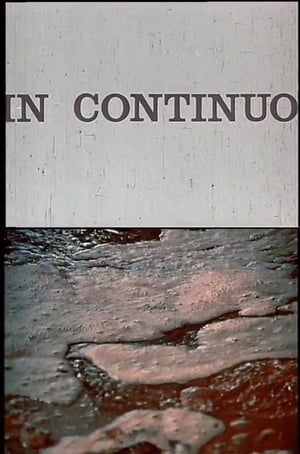
The marks of the violence of the Chilean state, against its own compatriots. Flicker Film. 35mm B & W Still Photography. Silent.
Cissie Colpitts drowns her cheating husband and, in the ensuing cover-up, enlists the help of lonely coroner Henry Madgett, an old friend with a longstanding weakness for her charms. But when Cissie's daughter and granddaughter—both also named Cissie Colpitts—decide to resort to the same methods for solving conflicts with their own frustrating husbands, the women and their repeated appeals for help begin to wear on Madgett's conscience.
A young adult's first-hand account of "accidentally becoming human again" after, and with, trauma induced depression. Lo-fi, vulnerable, and uniquely youthful, "The Afterlife" is a melancholic affirmation of life after death.