More than anyone in the cynical film industry, legendary artist Robert Redford embodies the United States' brightest side: perseverance, independence, idealism, and integrity. A champion of active environmentalism and the right to openly criticize any institutional abuse, he has put his artistic work at the service of his political commitments, whether as an actor, director, producer, or founder of the Sundance Festival, a formidable forum for his struggles since 1985.
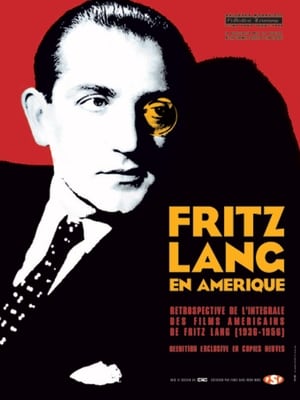
Documentary about the legendary American film director from his introduction to the film industry in its early years to his death in 1959.
Film journalist and critic Rüdiger Suchsland examines German cinema from 1933, when the Nazis came into power, until 1945, when the Third Reich collapsed. (A sequel to From Caligari to Hitler, 2015.)
A documentary about the making of 1976's "Obsession" featuring interviews with director Brian De Palma, stars Cliff Robertson and Genevieve Bujold and more.
Omnibus: François Truffaut
Eva Ebner is a Berliner who gives the appearance of being rather eccentric. She knows the film business inside out – regardless of whether she’s work- ing behind the camera as an assistant director or in front of it as an actor. Her name is closely associated with a series of now-legendary adaptations of Edgar Wallace’s crime novels which were made in Germany during the 1960s. Upcoming young directors from local film schools have also profited from Ms. Ebner’s unbroken enthusiasm and passion for film. However, this eighty-year-old has a more than broken relationship to the events of her childhood and youth in Gdansk – a time when her life was characterised by an anti-Semitic step-mother and the dangers posed by the Nazi regime. This film portrait does not eschew any of the long dark shadows of that era, nor does it sidestep any friction between portrayer and his subject. (Lothar Lambert)
Four lives that could not be more different and a single passion that unites them: the unconditional love for their cinemas, somewhere at the end of the world. Comrades in Dreams brings together six cinema makers from North Korea, America, India and Africa and follows their efforts to make their audiences dream every night.
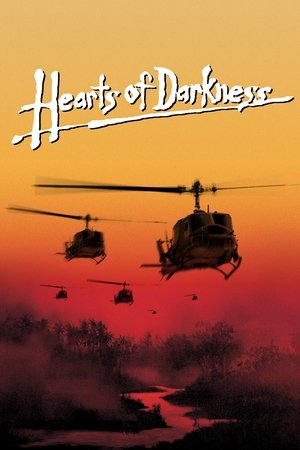
A chronicle of the production problems — including bad weather, actors' health, war near the filming locations, and more — which plagued the filming of Apocalypse Now, increasing costs and nearly destroying the life and career of Francis Ford Coppola.
Martin Scorsese’s electrifying concert documentary captures The Rolling Stones live at New York’s Beacon Theatre during their A Bigger Bang tour. Filmed over two nights in 2006 with an all-star team of cinematographers, the film combines dynamic performances with archival footage and rare glimpses behind the scenes, offering a vibrant portrait of the band’s enduring energy and legacy.
Documentary on the making of the Peanuts Thanksgiving special.
Documentary about the life and work of film director Preston Sturges.
Documentary about French playwright and film director Sacha Guitry.
Documentary exploring the friendship between French director Jean-Pierre Melville and actor Alain Delon, and their collaboration on the 1967 film Le samouraï.
One of the dominating figures in Elvis Presley's life was his manager, who was known as the "Colonel". No other relationship in Elvis' life was as controversial and misunderstood as the one he had with Colonel Tom Parker. The truth about their unique friendship is revealed in this documentary.
Television documentary about German-born American director Douglas Sirk.
Detailed interview with Michael Powell and Emeric Pressburger looking back at their long career as influential British film-makers and their unusual partnership. Includes clips from many of their films.
Documentary about the making of Swedish film director Jan Troell's "The New Land" (1971) and "The Emigrants" (1972).
Documentary featuring a candid interview with Kieślowski and rare behind-the-scenes footage from the set of The Double Life of Véronique
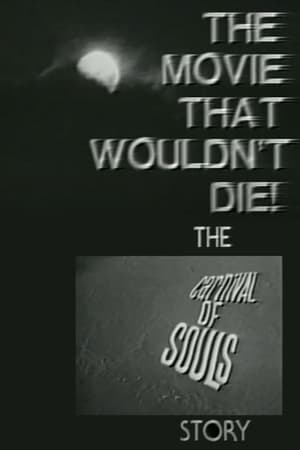
Documentary about the making of the 1962 cult film "Carnival of Souls".
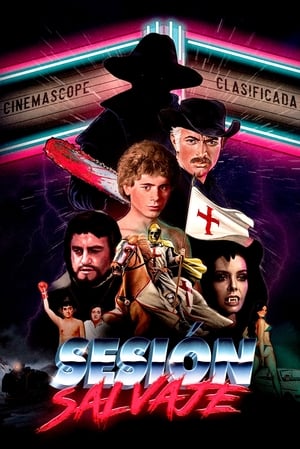
A walk through the golden age of Spanish exploitation cinema, from the sixties to the eighties; a low-budget cinema and great popular acceptance that exploited cinematographic fashions: westerns, horror movies, erotic comedies and thrillers about petty criminals.