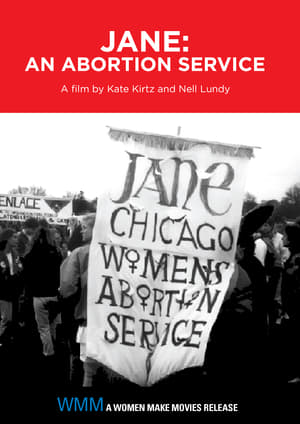
This fascinating political look at a little-known chapter in women's history tells the story of "Jane", the Chicago-based women's health group who performed nearly 12,000 safe illegal abortions between 1969 and 1973 with no formal medical training. As Jane members describe finding feminism and clients describe finding Jane, archival footage and recreations mingle to depict how the repression of the early sixties and social movements of the late sixties influenced this unique group. Both vital knowledge and meditation on the process of empowerment, Jane: An Abortion Service showcases the importance of preserving women's knowledge in the face of revisionist history. JANE: AN ABORTION SERVICE was funded by the Independent Television Service (ITVS) with funds provided by the Corporation for Public Broadcasting.
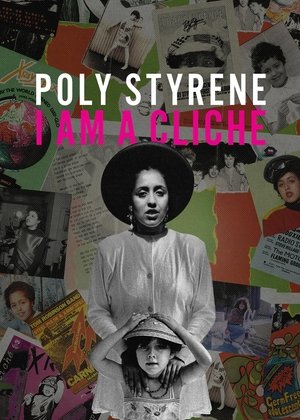
The death of punk icon and X-Ray Spex front-woman Poly Styrene sends her daughter on a journey through her mother's archives in this intimate documentary.
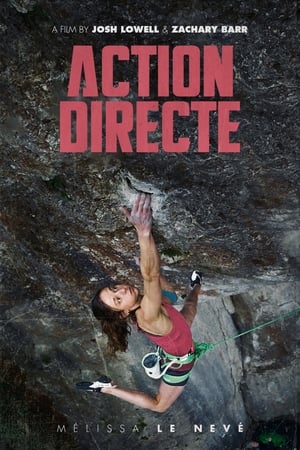
French powerhouse climber Mélissa Le Nevé tries to become the first woman to traverse Action Directe, one of the most revered and challenging routes in the sport.
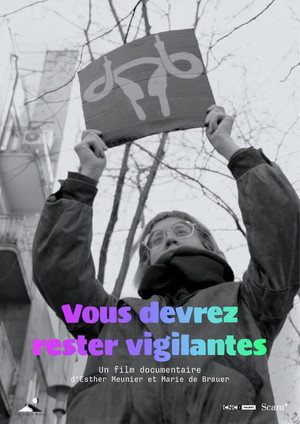
Vous devrez rester vigilantes
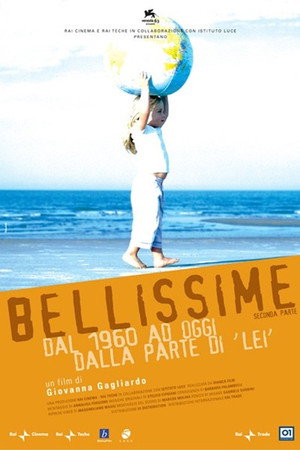
Documentary consisting of archival footage that depicts the evolving conditions of Italian women during the first half of the 20th century.
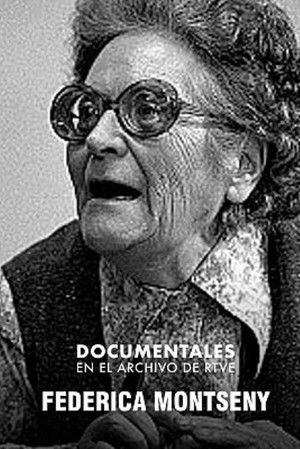
Federica Montseny
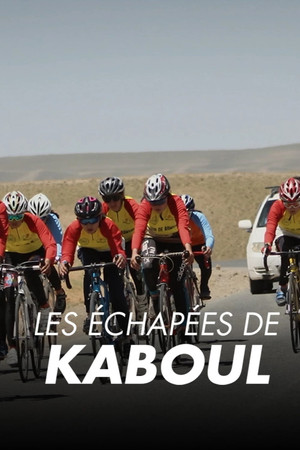
Les échappées de Kaboul
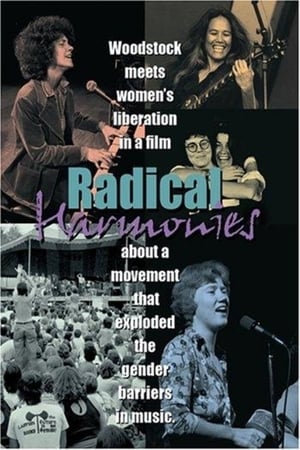
Interviews and performance footage are used to provide an overview of the women's music scene.
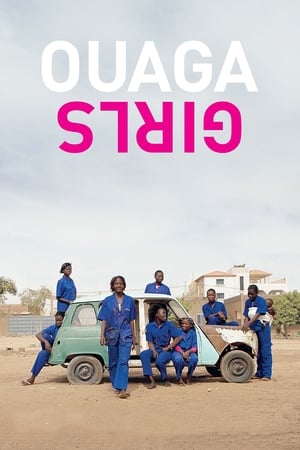
A group of young women from Ouagadougou study at a girl school to become auto mechanics. The classmates become their port of safety, joy and sisterhood, all while they are going through the life changing transition into becoming adults in a country boiling with political changes. In a country with youth unemployment at 52 percent, jobs are a hot issue. The young girls at a mechanics school in Burkina Faso’s capital Ouagadougou are right in the middle of a crucial point in life when their dreams, hopes and courage are confronted with opinions, fears and society’s expectations of what a woman should be. Using interesting narrative solutions, Theresa Traore Dahlberg depicts their last school years and at the same time succeeds in showing the country’s violent past and present. This is a feature-film debut and coming-of-age film with much warmth, laughs, heartbreak and depth.
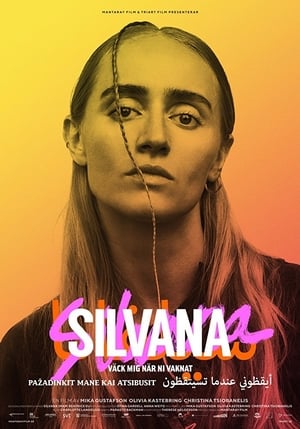
A documentary about the Swedish rapper and artist Silvana Imam.
A docu-drama shot in 1970, but not completed until 1973, the film sought to encapsulate in an experimental form issues that were under discussion within the Women’s Liberation Movement at this time and to thus contribute to action for change. In its numerous community screenings, active debate was encouraged as part of the viewing experience.
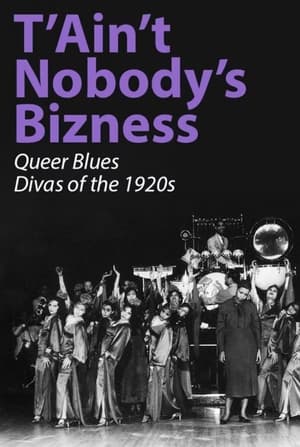
The 1920s saw a revolution in technology, the advent of the recording industry, that created the first class of African-American women to sing their way to fame and fortune. Blues divas such as Bessie Smith, Ma Rainey, and Alberta Hunter created and promoted a working-class vision of blues life that provided an alternative to the Victorian gentility of middle-class manners. In their lives and music, blues women presented themselves as strong, independent women who lived hard lives and were unapologetic about their unconventional choices in clothes, recreational activities, and bed partners. Blues singers disseminated a Black feminism that celebrated emotional resilience and sexual pleasure, no matter the source.
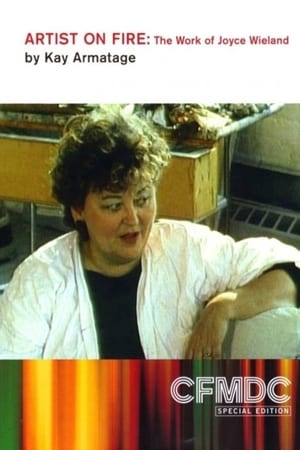
Considered one of Canada's most important women artists of the second half of the 20th century, Joyce Wieland's art embodies the essence of her homeland, feminism, and ecology. Artist on Fire: Joyce Wieland captures the vibrant spirit of this painter, collagist, quilt maker, and filmmaker. In the early '70s, Wieland was involved in filmmaking, producing movies with a political message. In her 30-year career, she worked in a variety of mediums, including cloth, pastels, colored pencil, oils, bronze, and watercolor. Her works and her influence are examined in this detailed video portrait.
A Woman's Place is the first film about the UK women's liberation movement. Crockford and her co-producers Ellen Adams and Tony Wickert document the movement's first national conference and march and examine its demands. The film records impassioned discussions and speeches, as well as the humour of the marchers. It also includes interviews with members of the public who give their perspective on women's liberation Crockford made the film as an attempt to see 'whether other people could be engaged by what I believed in'.
Moira Mulholland narrates the history of (European) women's rights through images, interviews, and performances focusing in on the Women's Suffrage Movement in Canada.
A presentation of the historical process of rape, followed by a more recent approach of current studies that reinforce ÒRape Reliefs own statistics.
Vancouver s two leading authorities on sexism in the school system, Linfa Shuto and Reua Dexter, relate their opinions on the problem and some solutions that they are working on. The tape also includes a short historical look at women s position in education and a critical discussion on sex stereotype roles by Grade 6 students.
A video essay using images and interviews to critically explore the history and current role of pornography.
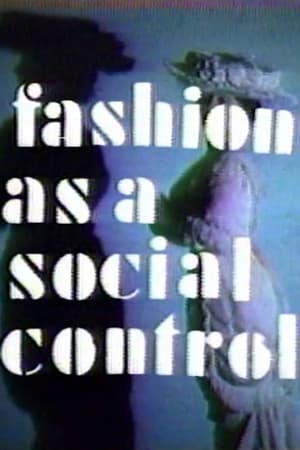
A look at the ways fashion has been used to socially control women in Canada, both historically and in the 20th century.
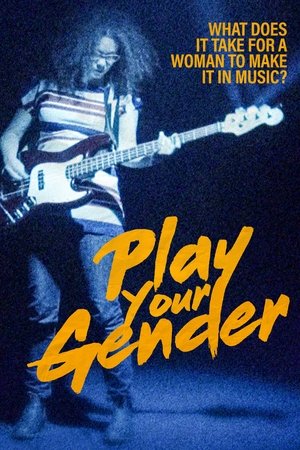
Juno Award-winning musician Kinnie Starr is on a quest to find out why only 5% of music producers are women even though many of the most bankable pop stars are female. What does it take for a woman to make it in music?