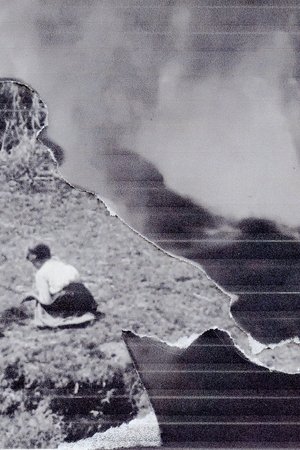
In a lonely, rocky area dotted with human bones, the vulture takes its latest sacrifice. It then disappears into the rock hole to leave as a dove of peace with an olive branch in its beak.
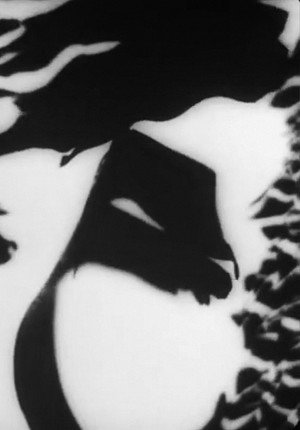
Slow disintegration and aging of artists head, revealing underlying bone structure. Created using old picture-phone technology. New music added in 2013.
In a nightmarish world, dominated by the decline and degradation of Man , Christ resurrected wandering, across three different eras of human history.
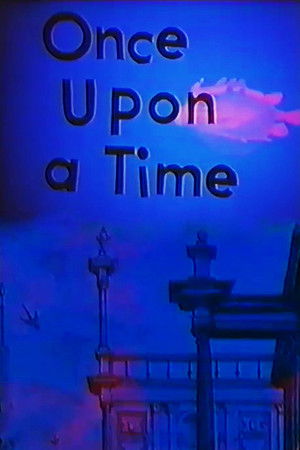
The first part depicts the heroine's toothache consequent to the loss of a very valuable watermelon, her dentistry and transportation to heaven. Next follows an elaborate exposition of the heavenly land, in terms of Israel and Montreal. The second part depicts the return to Earth from being eaten by Max Müller on the day Edward VII dedicated the Great Sewer of London.
3-minute experimental animation based on the techniques of John Whitney.
A colorful collage, with a subtle ecology theme, made largely from footage from trial runs of programs used for many of the other films.
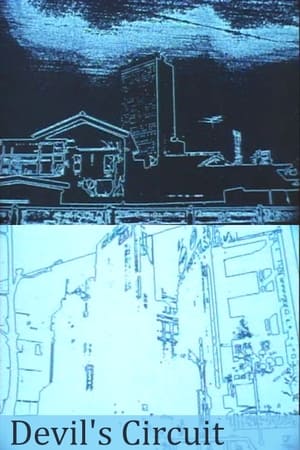
An old woman is carrying shopping bags. A child with a gun is riding a scooter. Birds are flying. A city is falling. A party is lit.
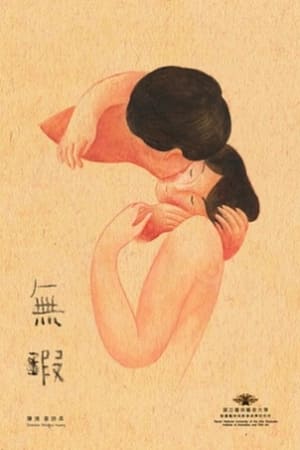
Superman's pal Jimmy Olsen gets his own story. Boy meets girl. Boy loses girl. Boy meets boy!
In this short slice of transgressive punk cinema, a woman achieves accidental revenge on her boyfriend after he cruelly kills and eats the fish-stick that she had magically brought to life. Despite this tragic event, not all is lost for Lolita, as she soon meets an unexpected new friend.
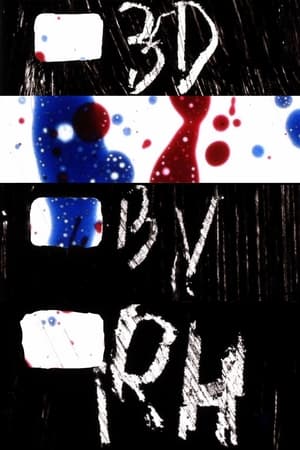
A psychedelic, avant-garde collage film designed to accompany PRPL PPL's experimental album of the same name.
Hans Richter, noted for his abstract shorts, has everyday objects rebelling against their daily routine.
Animation using cutout animation to craft a bizarre science fiction experiment. Moving spheres, such as balloons and bubbles, are superimposed on static backgrounds to suggest travel and discovery.
A visual representation, in four parts, of one man's internalization of "The Divine Comedy." Hell is a series of multicolored brush strokes against a white background; the speed of the changing images varies. "Hell Spit Flexion," or springing out of Hell, is on smaller film stock, taking the center of the frame. Montages of color move rapidly with a star and the edge of a lighted moon briefly visible. Purgation is back to full frame; blurs of color occasionally slow down then freeze. From time to time, an image, such as a window or a face, is distinguishable for a moment. In "existence is song," colors swirl then flash in and out of view. Behind the vivid colors are momentary glimpses of volcanic activity.
Five years in the making, Lawrence Jordan's feature-length "alchemical autobiography" Sophie's Place takes as its inspiration the story of the Greek goddess of wisdom, Sophia. Writes Jordan, "I must emphasize that I do not know the exact significance of any of the symbols in the film any more than I know the meaning of my dreams... I hope that the symbols and the episodes set off poetic associations in the viewer. I mean them to be entirely open to the viewer's own interpretation."
Organized in 12 discrete chapters, Sixty Six is a milestone achievement, the culmination of Klahr’s decades-long work in collage filmmaking. With its complex superimpositions of imagery and music, and its range of tones and textures at once alluringly erotic and forebodingly sinister, the film is a hypnotic dream of 1960 and 1970s Pop. Elliptical tales of sunshine noir and classic Greek mythology are inhabited by comic book super heroes and characters from Portuguese foto romans who wander through midcentury modernist Los Angeles architectural photographs and landscapes from period magazines.
A narrative self-discovery theme done in real time in Art Nouveau style.
ĀTMAN is a visual tour-de-force based on the idea of the subject at the centre of the circle created by camera positions (480 such positions). Shooting frame-by-frame the filmmaker set up an increasingly rapid circular motion. ĀTMAN is an early Buddhist deity often connected with destruction; the Japanese aspect is stressed by the devil mask of Hangan, from the Noh, and by using both Noh music and the general principle of acceleration often associated with Noh drama.
Prelude 14 begins in deep brilliant red which darkens into deeper reds and lavender shapes, disrupted by a variety of colors settling into browns and grays and shapes most rock-like, all of which is then shot-thru with sufficient yellow to break up all hard-edge form and give a molten aspect to the mixtures of shapes.
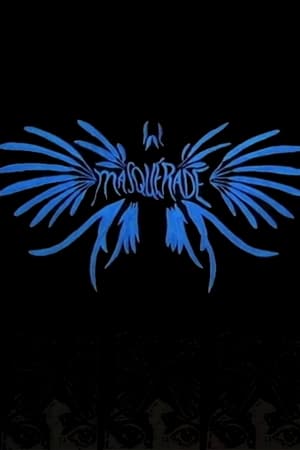
Animation, also of a new order in the recent series of short works. Mostly on black space, the figures in blue perform a very compact and jewel-like opera in surreal form, again to Satie’s piano music. Ideally, the film should be projected on a 30" wide white card sitting on a music stand, center stage of a large auditorium or music hall, with sound from the projector piped into the big speaker system. The film is most effective this way, but can be shown normal-size also
Jon Rafman's short features computer-generated renders of the Twin Towers and a narration from Charles Baudelaire's "Le Guignon."