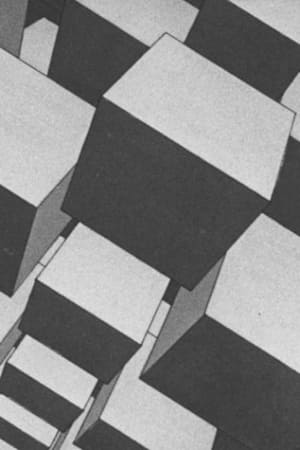
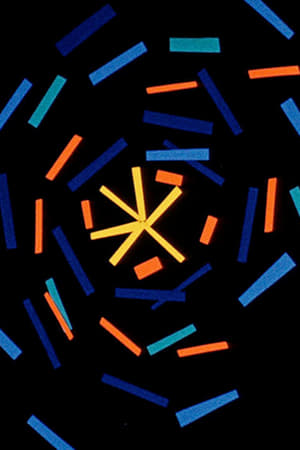
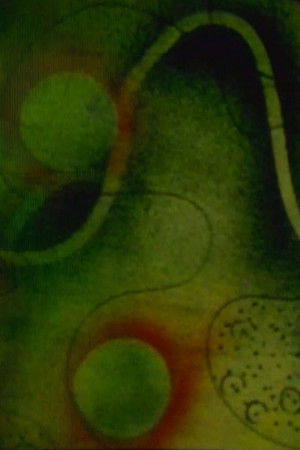
In Wiertz and Verbeek's kinetic, kaleidoscopic opus Keep on Turning (1974, 3 min, 16mm, sound) cubes convey, rotate and shift in tandem.
A student finds out he is late for his train.
A burst of cheer and refreshment that it seems perfectly suited to a late July afternoon.
Rainer Kohlberger’s abstract film was created entirely without a camera. Through digital algorithms, he precisely arranged a rhythm of light and shadow that pulsates off the screen into our physical space with blinding intensity. The presence of light is almost felt as we are sucked into the image to become its ghostly accomplice. As we leave the theatre, the optical vibrations continue to haunt us.
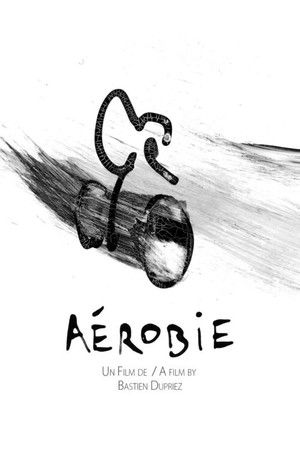
With a rushing smear, a cyclist begins his race.
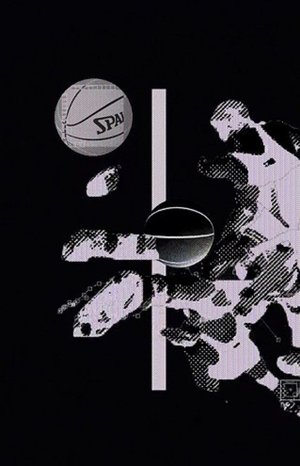
The function of the wrestler is not to win. It is to go through the motions that are expected of him.
A deep dive into a snowstorm of structural chaos and a blizzard of exploding gestural animation.
An exploration of the relationship between sound and picture inspired by the two lights (twi-light) found inside film projectors.
Death takes centre stage and faceless spectators applaud the inevitable in a series of murderous dreams.
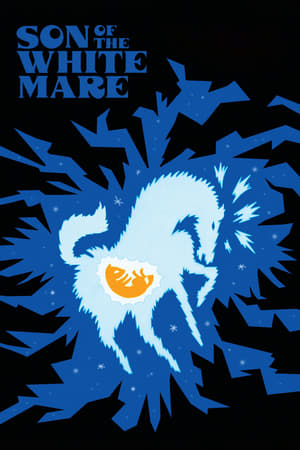
A horse goddess gives birth to three powerful brothers who set out into the Underworld to save three princesses from three evil dragons and reclaim their ancestors' lost kingdom.
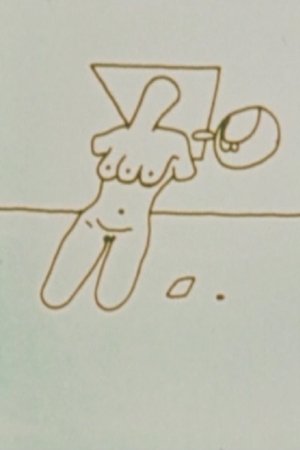
In Flesh Flows we see a balance of Beckett’s keen drawing ability, in the probing erotic forms, and his technical acuity, which transforms the carnal images into a compelling, transcendent experience. Preserved by the Academy Film Archive in partnership with iotaCenter and National Film Preservation Foundation in 2007.
An abstract animated film inspired by the work of jazz musician Chico Hamilton.
This newly rediscovered short was created in Jim's home studio in Bethesda, MD around 1961. It is one of several experimental shorts inspired by the music of jazz great Chico Hamilton. At the end, in footage probably shot by Jerry Juhl, Jim demonstrates his working method.
A hand moves gently, its presence shifts continuously.
Hand painted directly onto film stock by Margaret Tait, this film features animated dancing figures, accompanied by authentic calypso music.
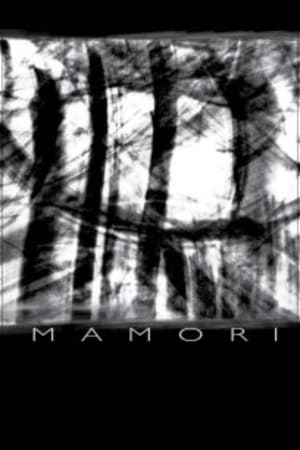
Mamori transports us into a black-and-white universe of fluid shapes, dappled and striated with shadows and light, where the texture of the visuals and of the celluloid itself have been transformed through the filmmaker’s artistry. The raw material of images and sounds was captured in the Amazon rainforest by filmmaker Karl Lemieux and avant-garde composer Francisco López, a specialist in field recordings. Re-filming the photographs on 16 mm stock, then developing the film stock itself and digitally editing the whole, Lemieux transmutes the raw images and accompanying sounds into an intense sensory experience at the outer limits of representation and abstraction. Fragmented musical phrases filter through the soundtrack, evoking in our imagination the clamour of the tropical rainforest in this remote Amazonian location called Mamori.
Peter Larsson’s Keyhole Conversation draws the eye down to the small gate of the camera. From there, through quivering and percussive forms of direct and stop-motion animation, the eye begins to experience the scale of an image anew. At times segueing into a flicker, but maintaining a charmed form of attention to the marks of pencils and the channels dredged in emulsion by a paintbrush, all to a curious soundtrack of pulses and bleeps.
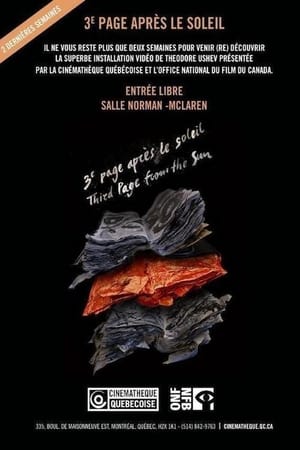
Three books: a film festival catalogue, a dictionary, the Bible. Three works whose materiality has become obsolete by the digital dematerialization. A commentary on the fragility of culture.
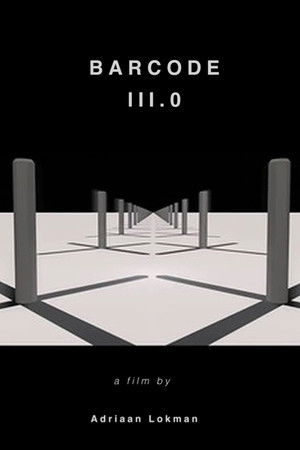
A unique journey across a topography created entirely from a form of digital light and shadow—a bristling terrain of poles bending the light in every direction. This film is the remake of Barcode, an abstract road-movie about light and shadows.
A vibrant animation by Patricia Marx. Preserved by the Academy Film Archive in 2000.