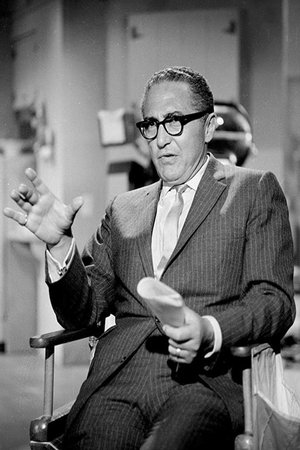
A loving tribute to a forgotten pioneer of the golden age of television. Starting out as a Runyonesque character actor, Sheldon Leonard went on to produce some of the most beloved and groundbreaking shows of all time, such as The Andy Griffith Show, The Danny Thomas Show, The Dick Van Dyke Show and I Spy. A rare treat, this film is a delightful retrospective of Leonard’s body of work, including priceless clips from his productions— as well as his hilarious appearances on shows such as The Jack Benny Program—and interviews with many of his friends and colleagues, including Mary Tyler Moore, Andy Griffith, Dick Van Dyke, Carl Reiner, Ron Howard and Leonard himself.
One day in the life of television is a documentary that was broadcast on ITV on 1 November 1989. Filmed by over fifty crews exactly one year earlier, it was a huge behind-the-scenes look at a wide range of activities involved in the production, reception and marketing of British television. The project was organised by the British Film Institute and produced and directed for television by Peter Kosminsky. A book by Sean Day-Lewis was published to accompany the documentary. It contained the thoughts of people throughout Britain, including industry professionals, who recorded their feelings and experiences of television viewing on 1 November 1988, the day that the documentary was filmed.
An investigation of how Hollywood's fabled stories have deeply influenced how Americans feel about transgender people, and how transgender people have been taught to feel about themselves.
Familiar radio voice Ben Grauer leads the viewer on a behind the scenes tour of the National Broadcasting Company studios -- both radio and television -- in Rockefeller Center and Hollywood. The original 25-minute film previewed by network execs and affiliates in the fall of 1948 was cut down to 20 minutes before its first broadcast, reportedly to excise high-profile stars and programs such as Amos 'n' Andy, Jack Benny, and Edgar Bergen that had since left NBC for other networks.
Using testimonies by pioneers and witnesses of the times, delve into the feverish visual culture the media generated – with far-fetched examples of canine television games, seduction manuals, aerobics class while holding a baby, among others.
A BBC Television film recalling the part Alexandra Palace has played in British television between 1935 and 1954. It shows the erection of the first transmitter, the building of 'A' and 'B' studios, and introduces scenes and excerpts from early television productions and outside broadcasts.
The documentary film follows the life and career of Milen Tsvetkov against the backdrop of historical events in Bulgaria that have transformed journalism and the media market in the country since 1989.
TV presenter Dallas Campbell, engineer Professor Danielle George and engineer Dr Hugh Hunt re-create the opening of the BBC's television service on 2 November 1936. This involves building the mechanical flying-spot cameras that were used by Baird's system.
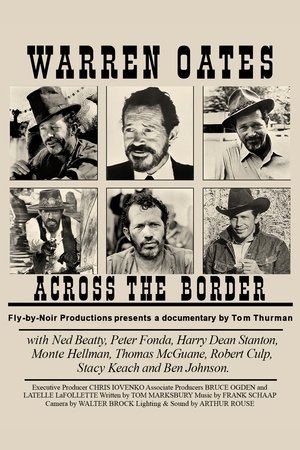
A retrospective of the work of the late actor Warren Oates, with clips from his films and interviews with cast and crew members who worked with him.
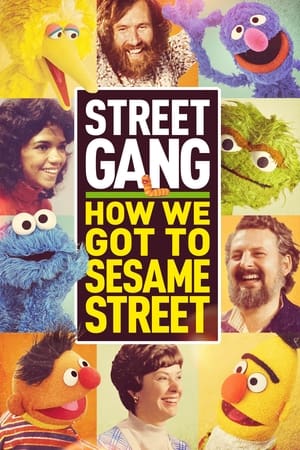
Take a stroll down Sesame Street and witness the birth of the most influential children's show in television history. From the iconic furry characters to the classic songs you know by heart, learn how a gang of visionary creators changed the world.
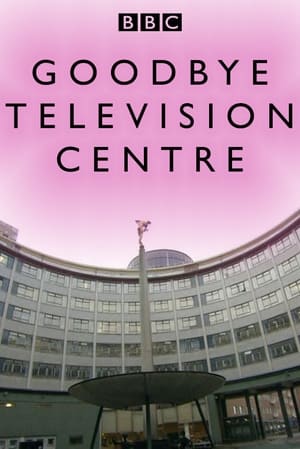
After 53 years Television Centre, the BBC's TV headquarters, is closing its doors and Michael Grade gathers together many of its best-loved faces to stroll down memory lane.
A retrospective of "Saturday Night Live" during the 1990's. Includes interviews with the cast and crew as well as hosts. Features memorable sketches and behind the scenes dynamics.
Revisiting the Omnibus series from the "golden age" of television. This live 90-minute weekly program hosted by Alastair Cooke brought an extraordinary world to people's living rooms with its mix of drama, dance, music, science, art, history, and opera.
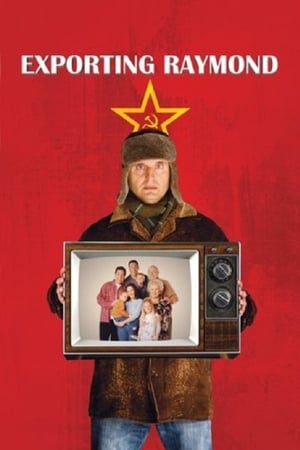
A documentary on Phil Rosenthal's experiences during the making of "Voroniny," the Russian-language version of "Everybody Loves Raymond".
Shows efforts of the Radio Corporation of America (RCA) in the creation, development and introduction of the all-electronic TV system; explains how science made television a working reality.
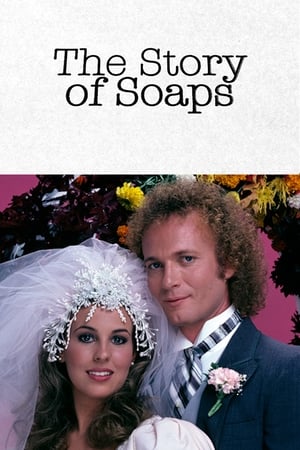
This ABC/PEOPLE television special highlights the impact of the soap opera. In today's shifting television landscape, "The Story of Soaps" traces how female creators migrated from radio to television to become the dominant force in daytime for more than three decades. Today, the legacy of the soap opera continues all over prime time and reality t.v. An extensive look is taken at this iconic, impactful genre.
In 1942, television was born in Paris, rue Cognacq-Jay. Today, around 60% of programs are filmed in Plaine-Saint-Denis. Baptiste Morel receives various guests to return to this story.
A history of the early days of Nebraska television. Stories include the competition to get the first station and later the first color programs on the air in Omaha, the colorful early on-air personalities including Johnny Carson and Tom Brokaw, the tough and colorful businessmen who brought TV to rural Nebraska and the important news stories that defined the brand new medium.
A special highlighting fifty years in the history of television. Includes tributes to Lucille Ball, Carol Burnett, Walter Cronkite, Jackie Gleason, Bob Hope and Ed Sullivan. Clips of classic television moments are presented.
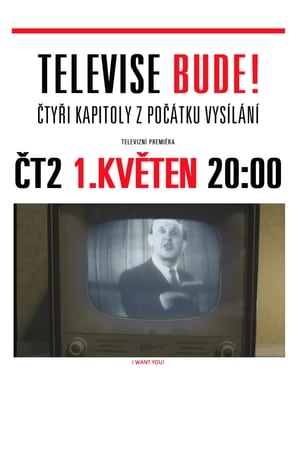
Flexible, powerful, and naive. The fates of three men intersect at the launch of Czechoslovak television broadcasting. Ambitious actor František Filipovský has no idea that his casual improvisation on the theme of "the miser" will go down in history. For Minister of Information Václav Kopecký, it is a moment of great nervousness: will he convince his comrades that television broadcasting is the golden goose of communist propaganda? A young television technician is fascinated by the "remote transmission of images and sound" – he has a job he never dreamed of. But can a person fulfill their dreams in communist Czechoslovakia in the 1950s without getting involved with the regime?