Experimental 8mm film.
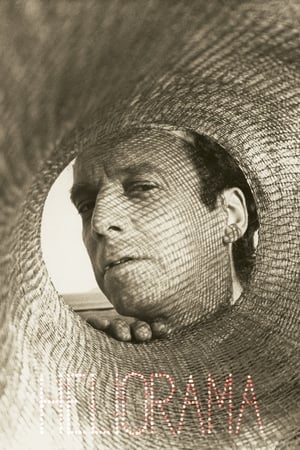
A collage of newsreels, trailers, clips and other visionary and unseen fragments of sight and sound regarding the late plastic artist Helio Oititica.
"Adrift" is shot on the arctic island of Spitzbergen and in Norway. It combines time-lapse photography with stop-motion animation of the landscape. Through camera-angles and framing the film gradually dislocates the viewer from a stable base where one loses the sense of scale and grounding.
This film is depicts early lesbian sexuality, using reenacted scenes from the experience of a 12-year old girl as the platform for a meditation on forbidden desire, transgression, and Lacanian psychoanalytic concepts of identity formation. Raw adolescent memories counterpoint staged scenes, exploring mechanisms of power and submission.
A look at the various modes of transportation made for the Expo '86 World Fair in Vancouver, Canada.
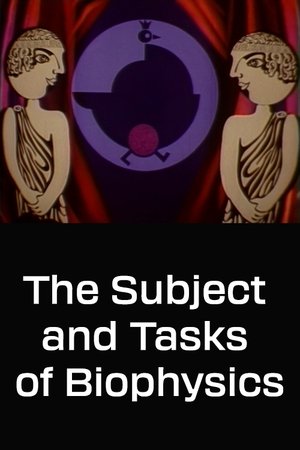
Experimental educational film reveals the emergence of some ideas of Biophysics in historical, philosophical and methodological aspects. The first film from the Biophysics Cycle (1982-1989).
"My last image of Jonas."—Ken Jacobs
Frame by frame, letter by letter, this film aligns riddles/answers from 6 rolls of Super-8, with the structure, poetry and imagery posed by Ugandan crossword puzzles. Across & Down is a study of simultaneous simplicity and complexity and the resulting serendipity and chaos.
The rare short film presents a curious dialogue between filmmaker Julio Bressane and actor Grande Otelo, where, in a mixture of decorated and improvised text, we discover a little manifesto to the Brazilian experimental cinema. Also called "Belair's last film," Chinese Viola reveals the first partnership between photographer Walter Carvalho and Bressane.
Sytratigraphies is a hyper kinetic masterpiece of a travelogue offering glimpses of scenes shot in your native Columbia, New York, Toronto and beyond. A female fantastic (Alexandra Gelis) knitting on the fly (subways, bankomats, beaches) and making audio recordings provides a throughline of sorts, as queer marriages give way to videogame palm trees, warm gatherings of friends are interwoven with public noticings, workers mostly, street hawkers and construction zones of the self. These lyrical interludes (in this movie the in-between is at the heart of the matter) are punctuated by rescanned YouTube interviews with authors/philosophers/scientists Jorge Luis Borges, Francisco Varela, Julio Cortazar, Beatriz Preciado and Gilles Deleuze. They muse briefly on creativity, exile, the biopolitics of the birth control pill, and the necessity of making mistakes in philosophy.
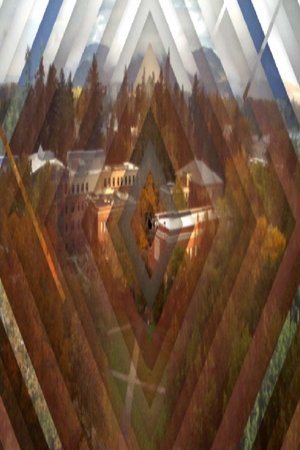
VORTEX TEMPORUM sinks into the temporality of an image, the one from an American university campus filmed by a webcam. These images from the University of Oregon were collected between August 2009 and June 2010.
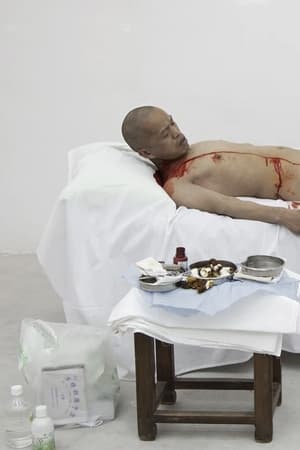
One Meter of Democracy (2010) challenged the endurance of viewers, as well as the courage of the artist. In a quasi-democratic process, He Yunchang invited approximately 20 friends to vote in a secret ballot on whether he should have a surgeon cut a one metre incision the length of his body, from collar bone to knee, without anaesthesia. The vote was carried by a narrow majority, with several abstaining. The performance was documented in video and photographs that reveal the emotional cost of witnessing this gruelling event. This work, sometimes also known as ‘Asking the Tiger for its Skin’ was also staged on a symbolic date: 10 October 2010 was the 99th anniversary of the Wuchang uprising and the Xinhai Revolution which led to the fall of the Qing Dynasty and the establishment of the Republic of China. The final image shows the group with sombre, shocked faces.
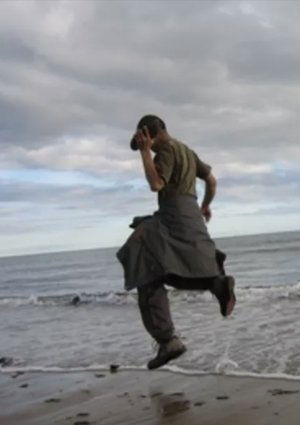
The Rock Touring Around Great Britain is a performance piece by Chinese artist He Yunchang that involved a walking circumambulation of Great Britain from September 23, 2006 to June 14, 2007. Starting from the hamlet of Rock, Northumberland, the artist walked to the nearby town of Boulmer where he selected a rock which he then carried counterclockwise until he returned it to the precise location from which it was taken. As the artist commented, the work was primarily "an attempt to represent the iron will of an individual and the living conditions of his being with simple and pure methods."
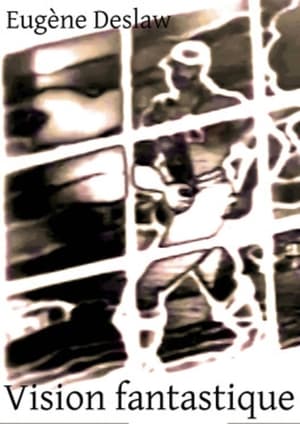
Footage filmed in Spain, subjected a new visual effects process. Deslaw devoted himself to the discovery of a new machine that enabled film to be developed while using a new method called solarisation.
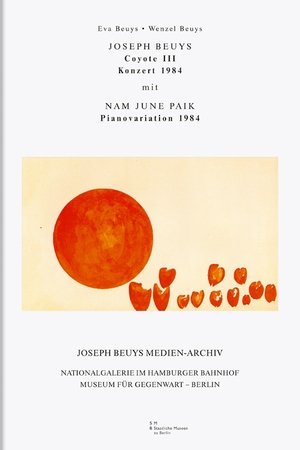
DVD accompanying the book "Coyote III", documenting Joseph Beuys and Nam June Paik performing at the Sôgetsu Hall in Tokyo on the 2nd of June 1984. Nam June Paik sits on one side of the stage playing European classical music, improvisations and Japanese folk music. On the other side, Joseph Beuys acts out experiences from living in an enclosed space with a coyote - a free man who turns back into an animal, into a form of life that he understands as a prerequisite for this freedom
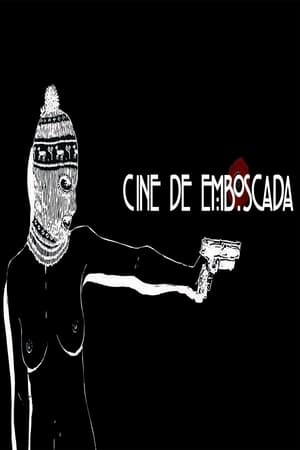
Cine de Emboscada
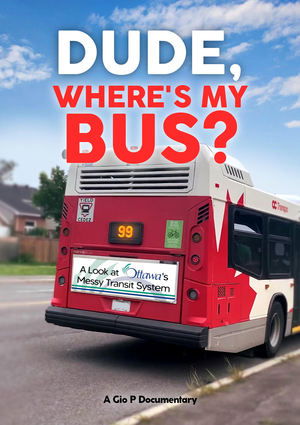
Filmmaker Gio Petti takes an in-depth look at the city's troublesome transit system in his documentary, Dude, Where's My Bus?. His nearly 2 year-long independent investigation delves into the frustrations of daily commuters in Ottawa and more deeply explores the systemic issues plaguing OC Transpo and their effects on the community. Beginning in the South End Suburbs of Ottawa, Dude, Where's My Bus? peels back layers leading to a broader investigation into issues plaguing the once model transit system. From late buses in neglected areas of the city, sprawl and the greenbelt, to the ever more controversial Confederation Line and the P3 system that built it, Petti aims to explore the impact of policy missteps and broken promises on Ottawa's transit users, with an optimistic look to the future.
A collaboration between filmmaker Ayoka Chenzira and performance artist Thomas Pinnock, who performs his "immigrant folktales" using traditional lore of his native Jamaica to dramatize his migration to New York in the 60's.
Documentary film about the development of underdeveloped regions of the Czechoslovak Republic thanks to the expansion of the public transport network.
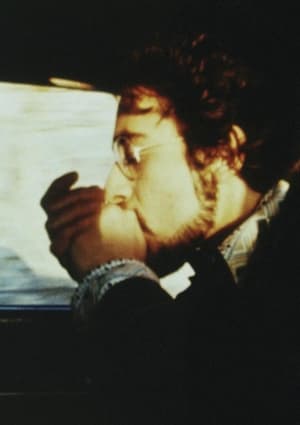
Arguably Larry Gottheim’s most exuberant experiment in the single-shot, single-roll format (and his first with a soundtrack), HARMONICA trains the camera on a friend improvising a tune in the backseat of a moving car. Held out the window, the harmonica becomes a musical conduit for the wind, while Gottheim's film transforms before our eyes into a playful meditation on wrangling the natural elements into art. - Max Goldberg