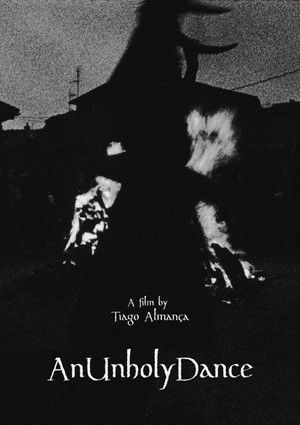
Every winter, a small town in Castilla-La Mancha called Luzón transforms into a little hell. Its inhabitants, dressed as devils, venture into the darkness and roam its streets with horns, bells, and smeared with soot. Una dança non sancta could have been just an anthropological documentary. Instead, it delves into the inferno with the town’s residents to participate in and immortalize this unholy ritual.
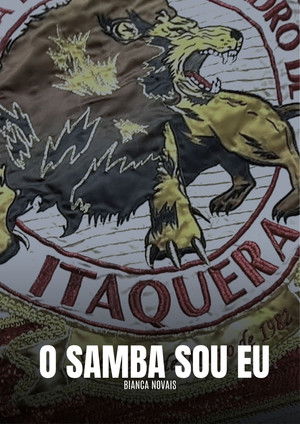
Documentary about the rise and fall of Leandro de Itaquera Samba School, a cultural organization from São Paulo east end that had a major role during the profissionalization of Carnival competition in the city.
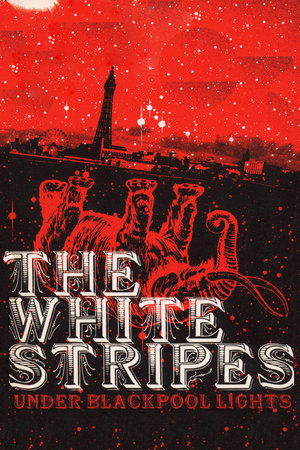
Concert footage of The White Stripes recorded in January of 2004, featuring tracks from the band's four studio albums as well as live favorites like the Dolly Parton cover "Jolene"
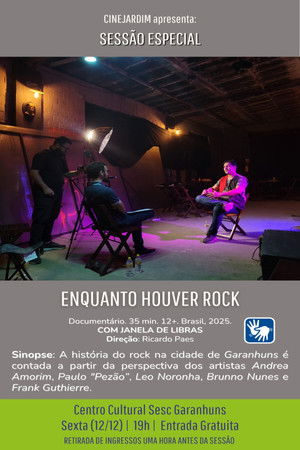
Garanhuns: enquanto houver rock
Nação Zumbi Ao Vivo no Recife
Chico Science e Nação Zumbi - Especial MTV
The Carnival of the Animals returns in a brand new version, directed by Gabriel Alloing, combining music, storytelling, and live visual creations. Composed by Camille Saint-Saëns in 1886, this iconic work is performed here by ten musicians from the Ensemble Est-Ouest and accompanied by original texts by Alex Vizorek, written especially for young audiences. Recorded at the Théâtre Libre in Paris's 10th arrondissement.
The Mangueira slum is the scenario where Tantinho and the old samba composers remember stories about the slums and samba.
Carnaval 78 - Preparativos da Unidos de Bangu
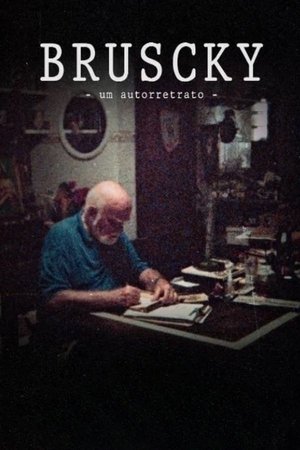
Bruscky: Um Autorretrato
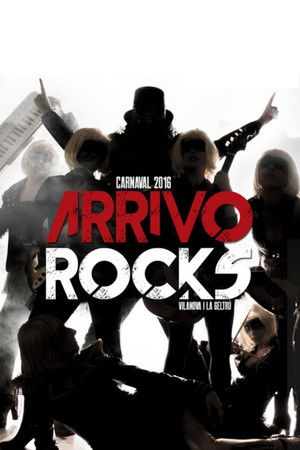
Arrivo Rocks
Meditação de Carnaval
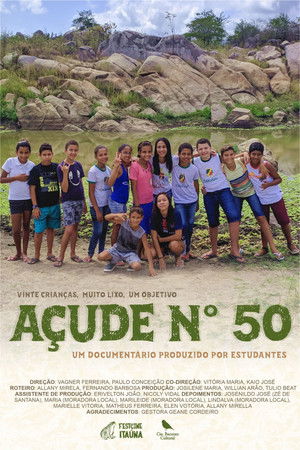
Açude Nº 50
Libertalia
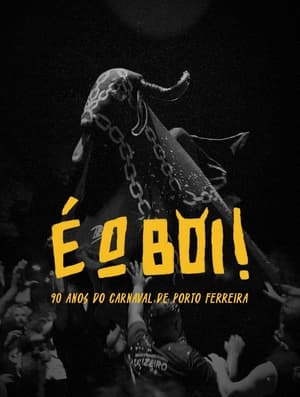
"É o Boi" is a documentary that narrates the origins, portrays the present and discusses the perspectives of carnival in the city of Porto Ferreira/SP. Celebrating a tradition that already is already 90 years old, the film is mainly made up of images taken during the Porto Ferreira's carnival and interviews with people who fight daily to keep this unique and at the same time typically Brazilian cultural manifestation alive. Made over almost a decade, "É o Boi" also portrays critical moments of this carnival in the countryside of São Paulo, including disagreements with public authorities that almost led to the carnival being banned and the impacts of the Covid-19 pandemic on the organization of celebrations.
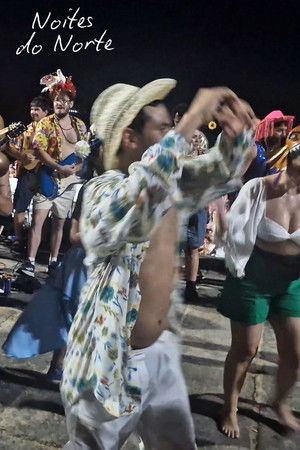
Noites do Norte
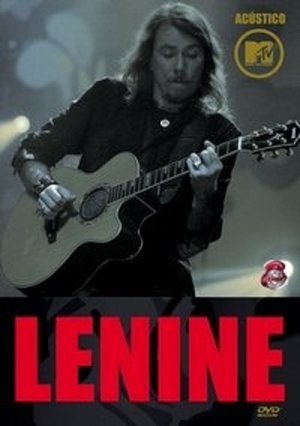
Recorded at Auditório Ibirapuera in Sao Paulo , on 24 and 25 June 2006 , the album features the biggest hits singer-songwriter Lenine's career such as "Paciência" (Patience), "Jack Soul Brasileiro" (Since I am Brazilian), "Na Pressão" (On The Pressure), "A Rede" (The Net), "Hoje Eu Quero Sair Só" (I Want Go Out Alone, Today) and "A Medida da Paixão" (The Measure of Passion), plus new songs like "Tudo Por Acaso" (All By Chance). The album features special participations from musicians such as the Chilean Victor Astorga (the first English horn soloist with the Brazilian Symphony Orchestra), Cameroonian bassist and singer Richard Bona, Mexican singer Julieta Venegas, harpist Cristina Braga, the rapper Gog, and drummer Iggor Cavalera (ex-member of Sepultura). The DVD includes bonus material, plus making-of scenes, reviews, testimonials about the project, the guests and also footage of the 2006 World Cup, since the performance was recorded concurrently with it.
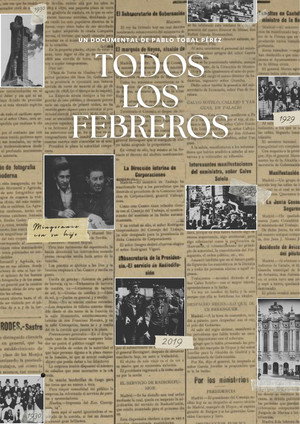
Todos los Febreros
This documentary short-film follows the story of The White Bus Cinema based in Southend-on-Sea. They keep the process of projecting real celluloid film alive by showing films from their archive of over 3,000 films, ranging from Super 8, 16mm, and 35mm prints. The film argues why it's important to continue the shooting and projection process of film in our current age of digital shooting and projection in modern Hollywood, amidst the chaos of studios removing films from their streaming services.
Wallpaper