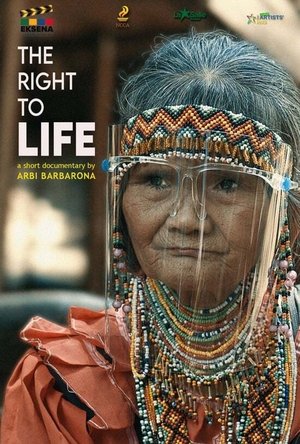
A Manobo tribe flees from fear only to find themselves in another dreadful situation: a lockdown due to the pandemic.
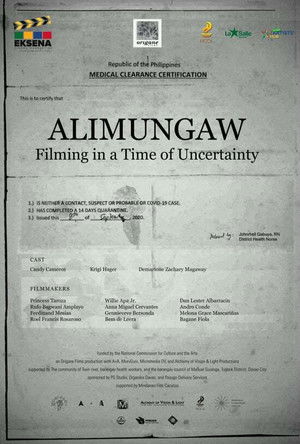
Filming in a Time of Uncertainty is a short documentary film that follows a small team of filmmakers, who are based in the region in Mindanao, as they struggle to shoot a film amidst the trying times of the pandemic. And how they were able to comply with the community's minimum health guidelines, while observing the basic health care, in spite of the intricacies of the film industry’s standard health protocols.
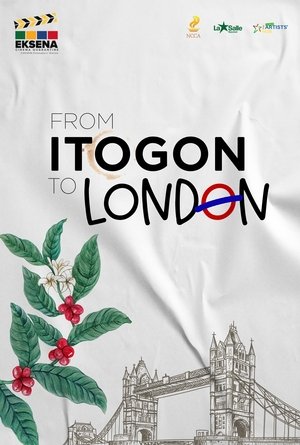
A young entrepreneur meets a group of coffee farmers and finds the inspiration to continue despite the pandemic.
A tribute to the people that we fear to lose, and for the ones that we have lost. It is a story about the fear that we have to face as the new normal.
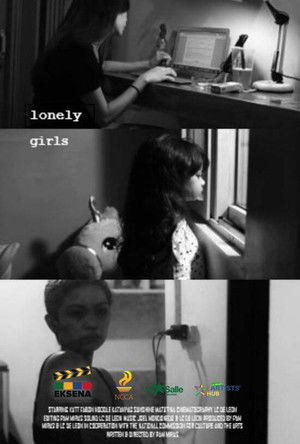
A woman with falling hair, anxious about her online work, a child unable to leave her room in a power outage, and a yoga buff with body issues, all encounter an unseen terror while alone in their urban middle-class homes during the nationwide quarantine.
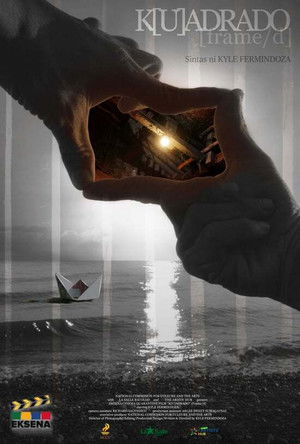
In a period beset by a plague, the visionary’s portal to his soul has been thwarted by the four corners of his abode. With imagination as the only detour, the drifting of thoughts is inevitable. Amidst the overcast, the curtain opens to the apparent truth – truth that no frame can impede a visionary.
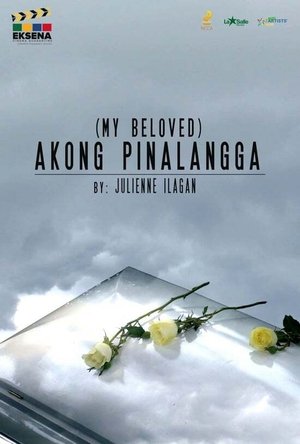
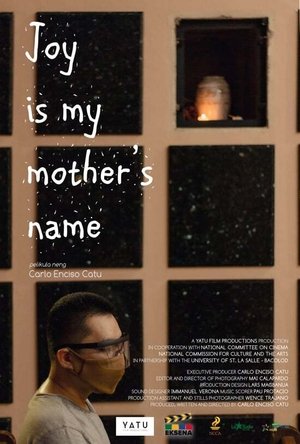
In transit, Carlo reminisces the blissful memories of his beloved mother, Joy, who died a few months ago while the country was in lockdown facing a worldwide pandemic. As he returns to his hometown Pampanga to reunite with his family, he will be facing a first birthday without his mother.
A filmmaker’s reflection about his life during the pandemic, as "the flames are climbing up the wall."
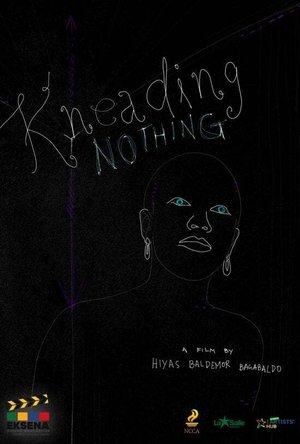
It’s December 2020, more than nine months of community quarantine in the Philippines. The idea of nothingness is actual and symbolic. With imposed restrictions in the physical world, how can we tell our personal and collective stories of living under the “longest COVID-19 lockdown in the world”? Confined at home, physical and non-physical boundaries are magnified as the filmmaker attempts to articulate existence through floating in time and space.
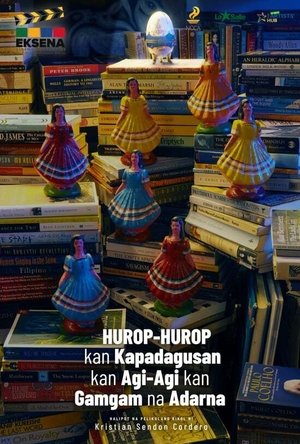
The night before the lockdown, while reviewing some unused footages from my latest film project (Hinulid), a small box from an anonymous sender arrives. The box contains a Bikol translation of the Tagalog long poem, Ibong Adarna, and an egg.
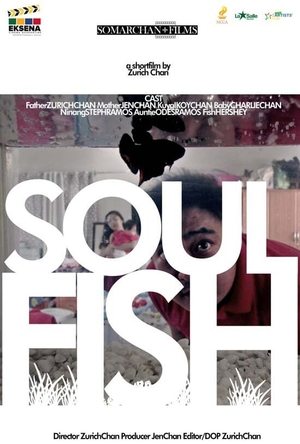
As the global pandemic affects more than half the world, the Family Chan tries to cope with the seemingly permanent quarantine and the claustrophobic circumstance of being together.
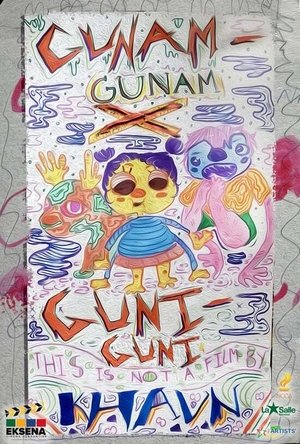
The amazing adventures of Gunam-gunam (Rumi) and Guni-guni (Phantasm). Adapted from the book Auxiliary Materials for Teaching the Filipino Language by Kelly Sta. Ana Nicolas (Philippine Normal College, 1964).
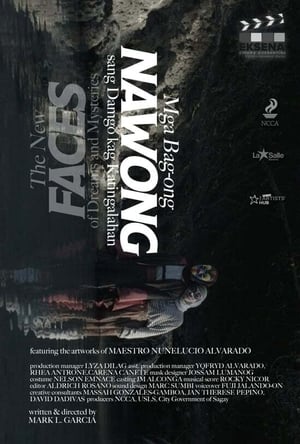
An exploration of how we use the masks as our new faces in these trying times. It shows a perspective of what life is like during the pandemic through poetry, metaphor, movements, and the use of painted masks.
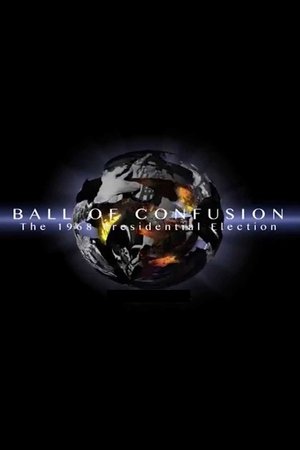
A project of the UVA Center for Politics and Community Idea Stations, "Ball of Confusion" is a one-hour documentary that examines the 1968 presidential contest in the context of a difficult and contentious year in American history. The assassinations of Martin Luther King Jr. and Robert F. Kennedy, racial unrest, nationwide riots, and a continuing war in Vietnam put the nation on edge and produced a historic three-way presidential election. Through archival footage and compelling interviews, the film shows how the election was influenced by the fractures in the United States' social and political foundations, leaving deep scars that would affect generations to come.
The Ø island is composed of several landscapes within a single landscape. They are territories lived and shaped by interior and exterior time. There are no privatized territories on this island. They are landscapes that cannot be accommodated: they expand through encounters, clashes, pressures and frictions. Between silence and intimacy, new islands are sculpted, in a possible encounter between life and death.
This letter originated in Paris as a means of addressing the issue of ‘everyday racism’ and violence that cannot be replaced by the universal. Its purpose is also to offer a response to my friends who have shared their own experiences of discrimination and violence.
Composed of interviews with LGBT+ individuals, this is a documentary that discusses the popularity of anime in Queer communities. The visual style is heavily influenced by mid-2000s fandom aesthetics, and the discussions rotate around androgyny in anime, television censorship, identity formation, and fandom as a site of expression.
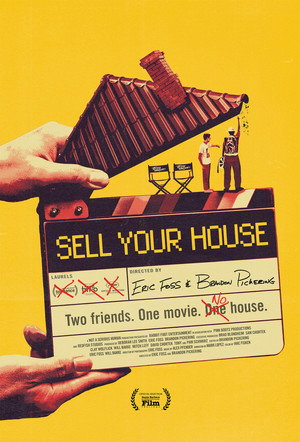
A first-time director convinces his best friend to sell his house in order to fund their debut feature film. Everything goes really well. A documentary following the making of "The Last Stop in Yuma County."
Brother and sister Gorter made a variegated portrait of Piter, or St. Petersburg, through seven of its inhabitants. Poles apart in age, affluence and personality, their lives cross paths now and then. Elderly people like the 87-year-old Jelena Jakovlevna still live in the past; her apartment has furniture from before the communist revolution and still has a portrait of Stalin on the wall. To a young and successful publicity agent, the names Lenin and Stalin do not mean a whole lot anymore. A former party bigwig is now a thriving capitalist; an ex-journalist who thought the Brezhnev era would never end is on the breadline nowadays. The film, featuring Frank Gorter's striking music, meanwhile also shows life in the streets of St. Petersburg and the diverse interiors of the houses and workplaces of the seven Piter men and women.
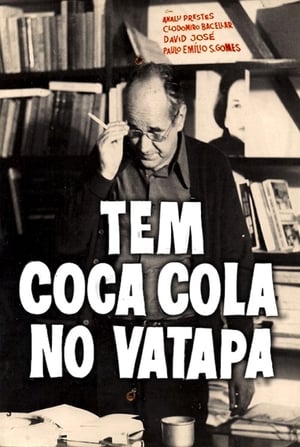
Tem Coca-Cola no Vatapá