Thule, Greenland, also called Qaanaaqis, one of the northernmost towns in the world. As the climate warms and the ice caps begin to melt, the gentle balance of life for the people of this community is in jeopardy. On the other side of the globe, the melting ice caps are raising sea levels around the Polynesian island nation of Tuvalu, threatening to wipe the island right off the map. Though a world apart, these two communities are intricately connected as environmental balance begins to tip and traditional ways of life are threatened. 'ThuleTuvalu' is a stunning documentary addressing the high price of a hundred years of development and how two very different communities are now bound together in facing an uncertain future.
The heatwave of 2003 remains etched in our memories. We remember an angry emergency doctor, crowded hospital corridors, and a health minister in a polo shirt who seemed completely out of touch with reality. Between August 1 and 20, 2003, the heatwave claimed 15,000 lives. One in three victims lived in the Ile-de-France region, which was hardest hit by this deadly heatwave. This tragedy revealed many shortcomings. First, the lack of preparedness of the public authorities to deal with such a health crisis. Second, the way in which the elderly are treated. Climatologists estimate that from 2050 onwards, the summer of 2003 will be the norm. Hyper-urbanization, poor insulation in homes, and a lack of green spaces are all factors that exacerbate the effects of high temperatures.
In the cobalt mining areas of Katanga in the Democratic Republic of the Congo (DRC), babies are being born with horrific birth defects. Scientists and doctors are finding increasing evidence of environmental pollution from industrial mining which, they believe, may be the cause of a range of malformations from cleft palate to some so serious the baby is stillborn. More than 60% of the world’s reserves of cobalt are in the DRC and this mineral is essential for the production of electric car batteries, which may be the key to reducing carbon emissions and to slowing climate change. In The Cost of Cobalt we meet the doctors treating the children affected and the scientists who are measuring the pollution. Cobalt may be part of the global solution to climate change, but is it right that Congo’s next generation pay the price with their health? Many are hoping that the more the world understands their plight, the more pressure will be put on the industry here to clean up its act.
Coral City
We're entering the Earth's sixth era of extinction -- and it's the first time humans are to blame. CNN introduces you to the key species and people who are trying to prevent them from vanishing.
The endless expanses of the Indian Ocean are home to the last natural paradises: Remote atolls surrounded by coral reefs in crystal clear water. Whole regions of this ocean are still unexplored, many reefs are not marked on any map. The departure of the research vessel Agulhas II from the island of La Réunion marks the beginning of one of the greatest scientific adventures of our time. The expedition, initiated by Monaco Explorations with the support of the Prince Albert II of Monaco Foundation, lasted six weeks and led into the Western Indian Ocean along the Mascarene Plateau.
French actress Marion Cotillard travelled to the Philippines to meet with children and young people on climate change and what they want big-polluting governments to do about it. One of the girls she met is Marinel, a survivor of the Super Typhoon disaster in the Philippines in 2013, who is taking action on climate change in her own community. She participates in Plan International’s climate change adaptation projects and now teaches at youth camps to pass on everything she has learnt to the younger children. Marinel travelled to Paris with Plan International for the United Nations Framework Convention on Climate Change (UNFCCC) 21st Conference of the Parties (COP21) in December 2015.
'The Forgotten Pacific' travels to five Pacific islands to discover how communities are weaving indigenous knowledge into the modern-day fight to adapt, rebuild and save their islands from climate change.
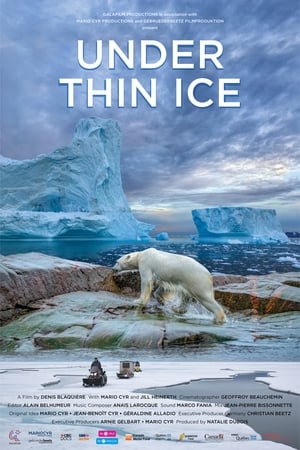
Two Canadian experts in underwater filming, Mario Cyr and Jill Heinerth, join forces for the first time to record how Arctic wildlife is adapting to the dramatic effects of climate change.
Increasing pollution, over fishing and climate change are major threats our oceans are currently facing worldwide. This documentary follows us on our journey as we film devastating consequences of these harsh realities.
Documentary about human impact on the world.
A documentary following 12-year-old Paul and his brother Germain during a transformative summer in rural France. The film explores the loss of innocence as Paul confronts the harsh financial and physical realities of his family's farming livelihood, highlighting the father-son bond and an uncertain future.
Greenland
The Guarani people have searched for a land without shadows for a hundred years. The beauty in their home is precious and undeniable, but climate change threatens to ruin this special place.
An immersive journey into the world of wild horses, Wild Beauty illuminates both the profound beauty, and desperate plight faced by the wild horses in the Western United States. Filmmaker Ashley Avis and crew go on a multi-year expedition to uncover the truth in hopes to protect them, before wild horses disappear forever.
WWF : à quoi joue le panda ?
A documentary on Al Gore's campaign to make the issue of global warming a recognized problem worldwide.
Filmed over three years across four continents, Dirty Coin takes viewers deep into the real-world practice of Bitcoin mining. From rural Texas to the mountains of Malawi, the film explores a wide range of mining operations—some sustainable, some controversial—and the communities behind them. Through interviews with energy experts, miners, and local residents, it paints a nuanced picture of a rapidly evolving industry. Whether you're new to Bitcoin or part of the movement, Dirty Coin offers a fresh perspective on how mining is impacting the world today.
The story of the Mohanas, an indigenous fisherfolk community on Manchar Lake, as they face the sorrow of bidding farewell to a unique heritage that has sustained them for centuries.
Fisherman Ayoub Sehto and his son are stranded with their family in the sinking Indus Delta, void of drinking water and fishing opportunities due to climate change, and struggle to migrate to a mainland city for a better life.