A glimpse at how genre film-focused home video companies have taken the charge in preserving, restoring, and releasing so many works which otherwise might have been lost to time.
A photographer explores the seldom noticed architecture in his home town.
This unique recreation of an 18th-century home, in London's Spitalfields, has to be seen to be believed. Dan Cruickshank smells the rotting food and warms his hands by the roaring fires and asks whether this living museum is really more accurate than a National Trust treasure, or just an eccentric one-off from its outlandish Californian creator, the late Dennis Severs. A follow-up of sorts to the 1985 BBC series Ours to Keep episode "Incomers" focused on this residence.
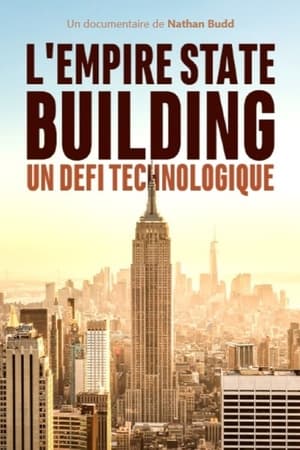
Secrets of the Empire State Building
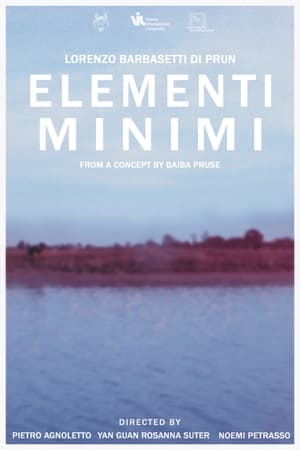
The documentary explores the world of culture, nature and gastronomy through one chef's eyes across the marshlands of the Venetian Lagoon.
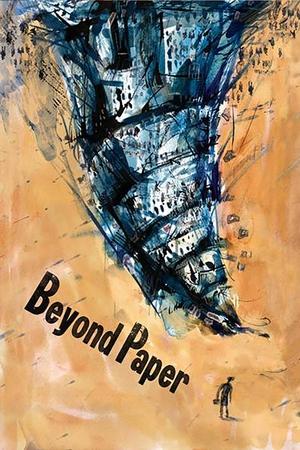
At a critical moment in the history of the written word, as humanity’s archives migrate to the cloud, one filmmaker goes on a journey around the globe to better understand how she can preserve her own Romanian and Armenian heritage, as well as our collective memory. Blending the intellectual with the poetic, she embarks on a personal quest with universal resonance, navigating the continuum between paper and digital—and reminding us that human knowledge is above all an affair of the soul and the spirit.
Through the unrelenting winter in the north of Japan, a small group of workers must brave unusual working conditions to bring to life a 2,000-year-old tradition known as sake. A cinematic documentary, The Birth of Sake is a visually immersive experience of an almost-secret world in which large sacrifices must be made for the survival of a time-honored brew.
Ka Hoʻina documents members of Hui Mālama I Nā Kūpuna O Hawaiʻi Nei's final repatriation of over 140 sets of iwi kupuna and provides an intimate look into the legacy forged by these committed and passionate few, ensuring that Hawaiians will mālama or care for kupuna for generations to come.
Through booms and busts, Delft Theatres and its innovative gem The Nordic endured in Marquette, Michigan for almost 100 years. Bernie Rosendahl’s crusade to restore the historic arthouse to its former glory reveals a hidden cinema empire in the Upper Peninsula.
A new reading of the historical period that began with the reign of the Catholic Monarchs (1479-1516) and the discovery of America (1492), as well as an analysis of its undeniable influence on the subsequent evolution of the history of Spain and the world.
Mike Leonard tells the inside story of how the west Loop’s St. Patrick’s Roman Catholic Church, known to residents as Old St. Pat's, transformed itself from an empty church in a declining neighborhood into a Chicago hub of worship, culture, social life, education, and service -- revitalizing a then-struggling West Loop.
During the Cultural Revolution in China in the late 20th century, ethnic Manchu people were persecuted and forced to give up such cultural traditions as the shaman dance (tiao tchin, meaning "spirit-jumping" or "god's dance"). However, on Changbai Mountain in Northeast China, a farmer named Guan Yunde decided to start designing and building traditional Manchu shaman drums. At age 70, he is one of a minority of ethnic Manchu people in China's Jilin province, and one of the few people keeping the Manchu shamanic tradition alive.
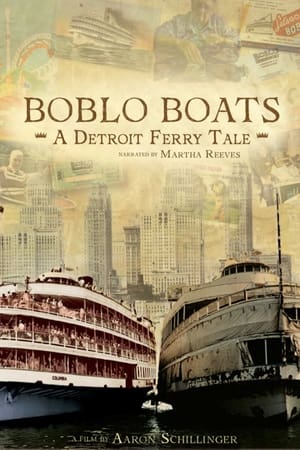
For over 85 years, steamship Ste. Claire transported generations of Detroiters to Boblo Island, an amusement park nestled in the waters between the US and Canada. When the vessel comes under threat of ruin, a doctor, psychic and amusement park fanatic unite to save their beloved steamship from the scrapyard. Interweaving local lore and mythology, "Boblo Boats" explores the whitewashed history of amusement parks and one crew's crusade to bring back the memories.
Nos restaurants : Une grande histoire française
The film was shot in an old, decrepit building where dozens of guest-workers' families live. The owner, a local influential politician, has avoided paying for the maintenance of the building under the legal standards by using his connections to proclaim the building a national cultural heritage. However, the rent he has been charging was as if the building were an object that offered standard comfort. The only German tenant takes the crew around and speaks of his battle against the landlord’s manipulation.
Augustus Northmore Welby Pugin is far from being a household name, yet he designed the iconic clock tower of Big Ben as well as much of the Palace of Westminster. The 19th-century Gothic revival that Pugin inspired, with its medieval influences and soaring church spires, established an image of Britain which still defines the nation. Richard Taylor charts Pugin's extraordinary life story and discovers how his work continues to influence Britain today.
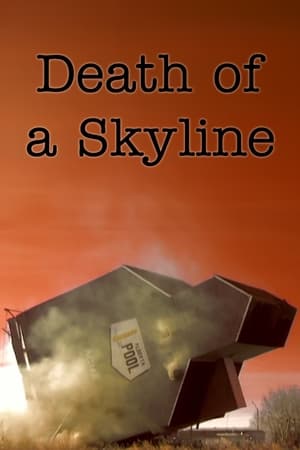
A group of citizens lobbied to save the landmark Alberta Wheat Pool grain elevator, one of the defining features of Mayerthorpe’s landscape, from being torn down in 2003 - as thousands of others had been. This film documents those efforts while exploring the broader history and significance of the grain elevator.
At its heart, it’s a battle for homeland and sovereignty. Bears Ears, a remote section of land lined with red cliffs and filled with juniper sage, is at the center of a fight over who has a say in how Western landscapes are protected and managed.
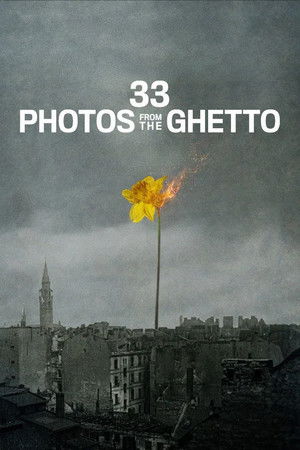
The film traces two families, one of which is Jewish, who preserved the images for decades but hadn’t brought them to light. 80 years after their creation, the son of the photographer finds the forgotten negatives and launches an investigation. With a team of researchers, archivists, and animators who use near-forensic precision to reconstruct locations and contexts, they trace the circumstances of those tragic days and the lives captured in each frame.
In this short documentary from the Canada Vignettes series, a Saskatchewan grain elevator is moved across the snow-covered prairie to a new home after nearly a half-century of use. The film follows the lifting and transporting of the 9-storey, 200-ton structure, and examines the feelings of the people as they witness the final passing of their town's one and only grain elevator.