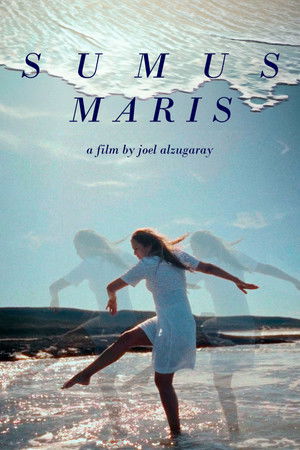
A cinematic journey that follows a young woman in search of authenticity and true connection. Set against the dramatic backdrop of the Swiss Alps - where the African and European tectonic plates once collided - she moves between memory and momentum, finding her own rhythm in the pursuit of her true self.
Directed by Mexican choreographer-director Camila Arroyo, and created in collaboration with designer Sabrina Olivera, “Soldaderas” is a contemporary interpretation of the figure of the Soldadera, known as the women fighters of the Mexican revolution. The choreographic portrait follows a young woman as she dances her way through Mexico City, capturing her twists and turns as well as the different self-fashioning rituals that accompany her. The film is also a moving archive of Olivera’s first collection, created in honor of the Soldaderas, for her upcoming brand Sabrina Ol. The movement in the film plays with the idea of the word soldar, translated in English as to weld. Centering this action, the choreographic language plays with the actions of melting, and rebuilding, braiding and forging as a backbone to how the protagonist moves around the city. As we watch the film, we play dress up with the dancer and sink into our bodies, allowing her movements to travel through us.
Béjart, 3 regards 2025
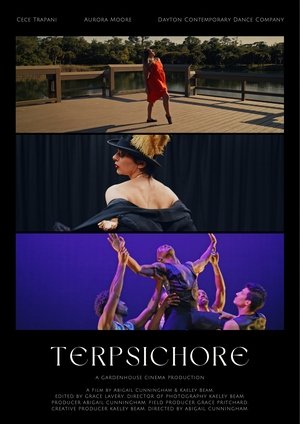
Terpsichore is a captivating exploration of dance as an art form, illuminating the passion, discipline, and vulnerability that transform movement into poetry. The documentary follows three distinct yet interconnected artists: Cece Trapani, an Irish dancer; Aurora Maur, a burlesque performer; and the Dayton Contemporary Dance Company (DCDC), a renowned contemporary dance ensemble. Through their stories, Terpsichore reveals the universal language of dance—one that transcends genre and speaks to the depths of human emotion. Intimate interviews and behind-the-scenes rehearsal footage offer a raw, unfiltered look at the artistry behind each performance, capturing the essence of dance as both personal expression and a bridge between artist and audience. More than a showcase of technique, Terpsichore delves into the soul of movement, celebrating its power to connect, inspire, and reveal the unspoken truths of the human spirit.
Are we ever honest enough to be unaffected by lies? This is the question asked by Henrik Ibsen's drama Ghosts (Gengangere). Oswald Alving returns from a bohemian existence in Paris to small-town Norway. Encountering people who do not communicate, Oswald responds by becoming ironic and distant. He gradually learns more of the secrets that weigh on his family, as well as those inside himself. His mother, Mrs Alving, welcomes her much-missed son home - and slowly understands what, or whom, he has brought home with him. Together with the young, critically acclaimed choreographer Cina Espejord, she retells Ibsen's play as a ballet. The pair feel the story is suited to dance because both it's inner and outer brutality can be pitted against the power of dance. Ibsen's Ghosts is an evocative production in a modern dance style. Nils Petter Molvær has composed new music, which he performs on-stage together with Jan Bang.
A woman battles against the constraints of a controlling patriarchal figure symbolised by a haunting mask. As she strives for freedom and dances to her own rhythm, the gripping visuals unfold a poignant tale of struggle and the inescapable influence of societal expectations.
Internal Clock
Science-fiction dance film that looks into togetherness and loneliness. Covid-19 and the measurements taken because of it have changed our way of being together into a more digital, online and always connected manner.
Chant XI - L'Hadès
A quiet little island hidden away under a bridge in Lausanne: the bowling club of La Boule d’Or is home to a team of pensioners who join in a very strange game under the direction of a choreographer. In a mix of documentary and choreography, the film unfolds like a poem written by bodies dedicated to the passing time, to the team spirit, to the learning of collective movement and to the peaceful life. An ode to the game of boule… A bittersweet waltz…
Theatrical adaptation of the film of the same name. In a fair and funny one-woman show, dancer Andréa Bescond recounts her tainted childhood and the consequences for her adult life. A moment of pure emotion, an unforgettable journey that touches our hearts. Odette is eight years old when Gilbert, a family “friend”, drags her into secret tickling sessions. The rest is collateral damage. The child becomes a dancer, which will save her. Misunderstanding from family and friends, difficulty building a life...
The RB Dance Company's first original creation, Stories is a narrative dance performance conceived by Romain Rachline Borgeaud. Reflecting the spirit of the RB Dance Company, it combines tradition and modernity by blending genres and giving tap dancing a new lease of life.
Santa Inocencia
A woman embarks on a journey through three pivotal stages, meditating on the cyclical nature of life, where the uncontrollable power of the sea reflects the essential purity of the world.
A single father in Paris struggles to care for his child and escapes periodically through contemporary dance.
"Prima" follows Margo, a dedicated prima ballerina raised by her disciplinarian and “guardian of the art” grandmother, who begins to unravel when the head of her ballet company marries a contemporary choreographer, disrupting the company’s tradition and igniting a quiet, atmospheric power struggle that threatens the very future of the institution. As events unfold, Margo begins to question if the choices made in life are really worth it in the end, a question so many face as difficult decisions can change your life forever.
Giselle(s) revisits the classic Giselle through the lens of violence against women, giving the famous 1841 ballet a contemporary social and political dimension.
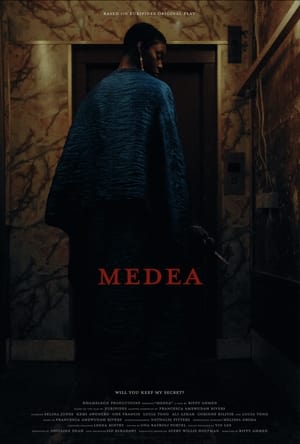
After escaping from her homeland and now abandoned by the man she loves, Medea must find strength from within to fight against growing injustice - how far is she willing to go?
AKIN examines the tension between collective synchronicity and the hidden inner reality of the individual. One protagonist describes her overwhelming feelings, while three other figures appear as aesthetic mirrors of her inner states. In a world that demands perfection and smooth functioning, everyday life continues like a mechanical system even when the inside has long overflowed. The bodies increasingly come under pressure until the structure discharges in synchronous, yet faulty movements. The encounter with an antagonist opens a moment of silent perception and raises the question of whose emotions are actually at work in the space. AKIN reveals a raw, deeply human choreography between adaptation and authentic expression.
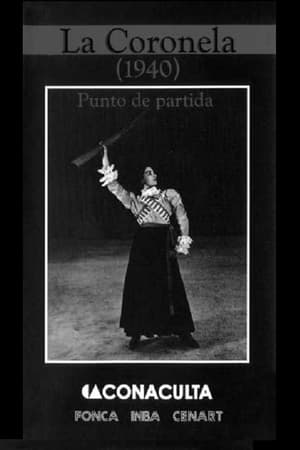
La Coronela (1940). Punto de partida