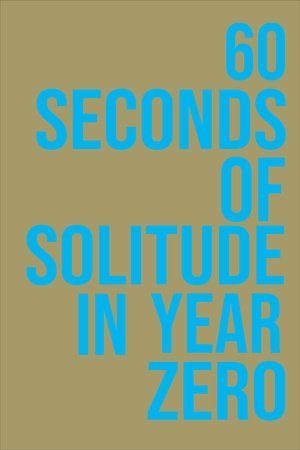
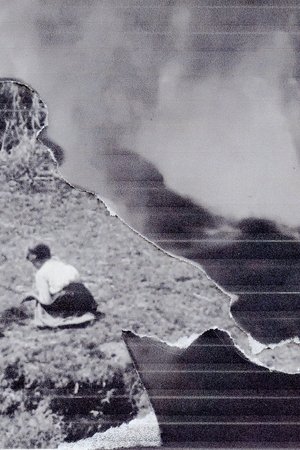
An anthology of one-minute films created by 51 international filmmakers on the theme of the death of cinema. Intended as an ode to 35mm, the film was screened one time only on a purpose-built 20x12 meter public cinema screen in the Port of Tallinn, Estonia, on 22 December 2011. A special projector was constructed for the event which allowed the actual filmstrip to be burnt at the same time as the film was shown.
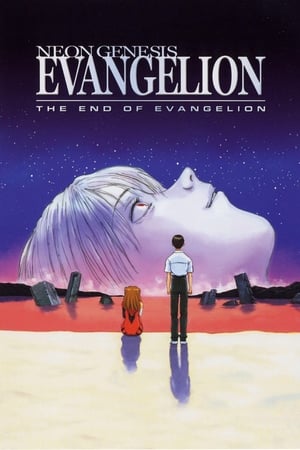
SEELE orders an all-out attack on NERV, aiming to destroy the Evas before Gendo can advance his own plans for the Human Instrumentality Project. Shinji is pushed to the limits of his sanity as he is forced to decide the fate of humanity.
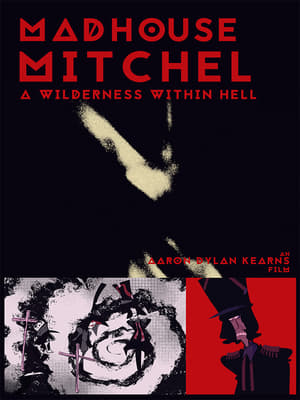
Creeping from the halls of the maze brain, corruption and terror is woven by devils born from the denied errors of mankind.
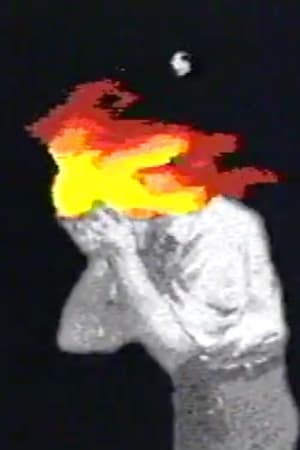
Slow disintegration and aging of artists head, revealing underlying bone structure. Created using old picture-phone technology. New music added in 2013.
A film in which the one 60-story skyscraper that soars in the spaces between roofs spins with incredible speed. I centered the circumference with its 400 or 500 meter radius on the skyscraper and divided it into 48 sections, then took photographs from those spots and shot the photographs frame by frame.
For the first time I am animating hand-painted engraved cut-outs on a full-color background. The film is mood-filled: A duel scene in a snowy forest, obviously the morning after a masquerade ball. Harlequin lies dying, while Red Indian walks away with the wings of victory. The woman between them appears, cat-masked. The mask dissolves away. Her spirit passes into the face of the sun upon the sun upon the sun flower. But Harlequin cannot escape death. The blue world engulfs him.
The first part depicts the heroine's toothache consequent to the loss of a very valuable watermelon, her dentistry and transportation to heaven. Next follows an elaborate exposition of the heavenly land, in terms of Israel and Montreal. The second part depicts the return to Earth from being eaten by Max Müller on the day Edward VII dedicated the Great Sewer of London.
A visual representation, in four parts, of one man's internalization of "The Divine Comedy." Hell is a series of multicolored brush strokes against a white background; the speed of the changing images varies. "Hell Spit Flexion," or springing out of Hell, is on smaller film stock, taking the center of the frame. Montages of color move rapidly with a star and the edge of a lighted moon briefly visible. Purgation is back to full frame; blurs of color occasionally slow down then freeze. From time to time, an image, such as a window or a face, is distinguishable for a moment. In "existence is song," colors swirl then flash in and out of view. Behind the vivid colors are momentary glimpses of volcanic activity.
A colorful collage, with a subtle ecology theme, made largely from footage from trial runs of programs used for many of the other films.
An old woman is carrying shopping bags. A child with a gun is riding a scooter. Birds are flying. A city is falling. A party is lit.
Animation using cutout animation to craft a bizarre science fiction experiment. Moving spheres, such as balloons and bubbles, are superimposed on static backgrounds to suggest travel and discovery.
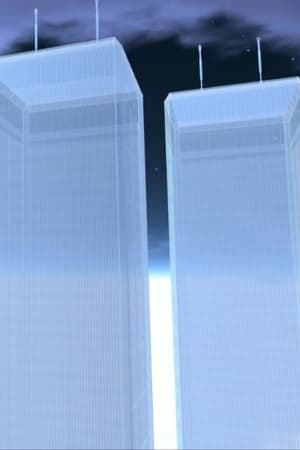
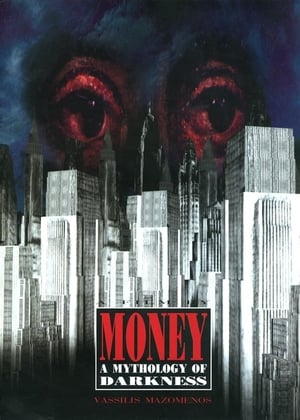
Jon Rafman's short features computer-generated renders of the Twin Towers and a narration from Charles Baudelaire's "Le Guignon."
A psychedelic, avant-garde collage film designed to accompany PRPL PPL's experimental album of the same name.
ĀTMAN is a visual tour-de-force based on the idea of the subject at the centre of the circle created by camera positions (480 such positions). Shooting frame-by-frame the filmmaker set up an increasingly rapid circular motion. ĀTMAN is an early Buddhist deity often connected with destruction; the Japanese aspect is stressed by the devil mask of Hangan, from the Noh, and by using both Noh music and the general principle of acceleration often associated with Noh drama.
Five years in the making, Lawrence Jordan's feature-length "alchemical autobiography" Sophie's Place takes as its inspiration the story of the Greek goddess of wisdom, Sophia. Writes Jordan, "I must emphasize that I do not know the exact significance of any of the symbols in the film any more than I know the meaning of my dreams... I hope that the symbols and the episodes set off poetic associations in the viewer. I mean them to be entirely open to the viewer's own interpretation."
Hans Richter, noted for his abstract shorts, has everyday objects rebelling against their daily routine.
A narrative self-discovery theme done in real time in Art Nouveau style.
In an urban Indian city, A struggling actor battles for his career, but his friend who loses money in a scam deal commits an action that puts both of their lives in danger. The three last days before the incident follows the struggling actor, an ambitious filmmaker, a wannabe hustler, an opportunist, a lover and two cinephile thugs, through an inter-twining vignette of their lives.
Prelude 14 begins in deep brilliant red which darkens into deeper reds and lavender shapes, disrupted by a variety of colors settling into browns and grays and shapes most rock-like, all of which is then shot-thru with sufficient yellow to break up all hard-edge form and give a molten aspect to the mixtures of shapes.
3-minute experimental animation based on the techniques of John Whitney.