At least we're alive. Humberto.
Documentary on the mass sterilization of Puerto Rican women during the 1950s and '60s.
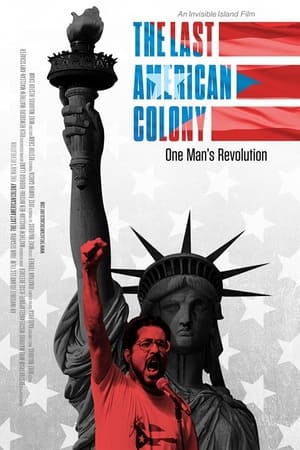
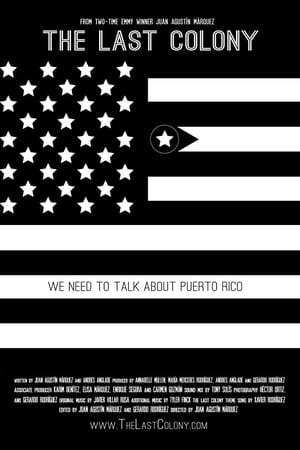
A close look at Puerto Rico's unique relationship with the United States.
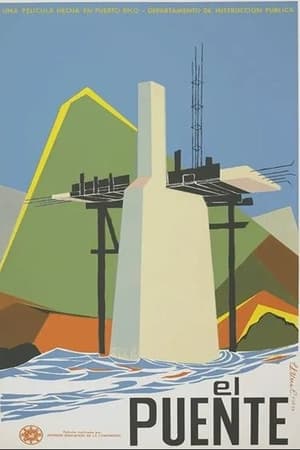
The efforts of a community to build a bridge which would allow their children to go school during the rainy season.
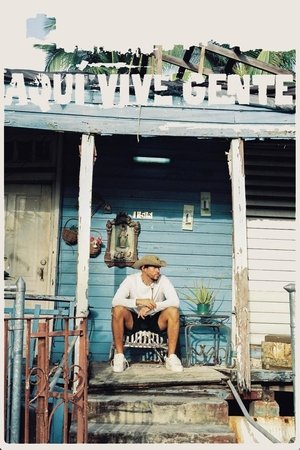
“El apagón: Aquí vive gente” is a 23-minute film that explores the socio-economic challenges in Puerto Rico, focusing on the effects of power outages and gentrification driven by the real estate and energy sectors. Through visuals and personal stories, the documentary highlights the experiences of Puerto Rican communities facing these issues.
This gritty documentary takes you inside the legendary Oso Blanco, the most feared prison of Puerto Rico and one of the most notorious in the Caribbean. It is the birthplace of two of the most dangerous Latino gangs: "Ñeta" and "Los 27" (aka "Los Insectos") and the scene of hundreds of murders.
Presents a socio-economic analysis of present day Puerto Rico. Uses archival footage, re-enactments of historic events, and interviews with participants to recount the long history of U.S. involvement in Puerto Rico and the anti-colonial struggle.
Strong Puerto Rican women forced to flee the island after Hurricane Maria have bonded like family in a FEMA hotel in the Bronx. They seek stability in their new life as forces try to pull them apart.
Carmen accompanies a group of women who must travel from the island of Vieques to San Juan, capital of Puerto Rico, in order to perform breast biopsies. The long journey is by water and road. Amid many fears and vicissitudes, Carmen confirms once again the need for appropriate medical services for both women and for the rest of the Vieques population.
The story of the basketball players that represented Puerto Rico at the San Juan's 1979 Pan Am Games.
A poetic journey about the life and work of Puerto Rican poet Julia de Burgos.
Isla chatarra describes the phenomenon of the ubiquity of automobiles in Puerto Rico. The island measures slightly less than 9,000 square kilometers, but has 25,000 kilometers of paved road, one of the highest proportions in the planet. Puerto Rico is one of the countries with the largest number of vehicles per kilometer (of road) and third in the world in number of cars per 1,000 inhabitants. The film was produced with the idea to raise consciousness and create a dialogue about the ongoing situation of our dependence on cars. It also shows the dangerous circumstances of an island that is slowly being covered by scrap metal.
How fair is it for the government to control its citizens? Four Puerto Ricans confront their past when they open their “files”, the records obtained of the illegal surveillance and persecution that the Puerto Rican government held against citizens and organizations that disagreed with the establishment. Through their daily life, they will tell us their stories, experiences and intimate feelings of the persecution they suffered. Taking their past as an example, we will confront the present.
Experimental film about rhythm as corporal expression of a culture. Presents various choreographies and does not include the participation of men.
Artificial intelligence is taking on different roles in the filmmaking space. The questions we must ask ourselves are: what are the pros and cons of this advancement? How can we work with it, and what power do we have as human beings in the face of this technology?
What is "la escena" (the scene) and what is its importance, if any? Guillermo Gómez Álvarez tries to answer these questions with candid interviews from musicians and fans of the vibrant and, many times controversial, punk music scene in Puerto Rico. The decadence, rage, drugs, alcohol, politics, and social aspects are showcased in this documentary that tells an important part of the history of the great dysfunctional family that is "el punk boricua".
Hurricane María abated, the news crews packed up and left Puerto Rico, and the interest of the international community turned elsewhere. What happened next?
Puerto Rico, the last relic of colonization in the western hemisphere, has been a dependent territory of the USA since 1917. Los Macheteros and one of its leaders Juan Segarra have been fighting for its full independence for many decades.
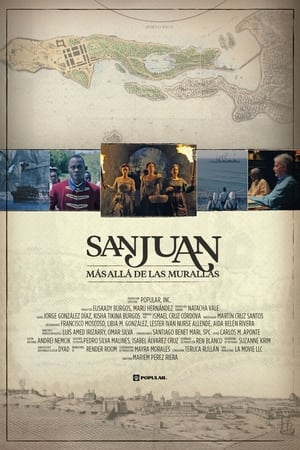
Explore the 500-year history of the city of San Juan, from the move from Caparra to the different invasions during these centuries. It also looks at how different situations and people were key to what is now the capital of Puerto Rico. This documentary presents, through the recreation of key situations, archival material, and accounts of historians and researchers, decisive moments that influenced what is now the capital.
David Attenborough tells the revealing story of this Caribbean island's exotic but vulnerable wildlife. A team of conservation champions are making it their mission to save the most precious species. We see how Puerto Rican parrots, manatees and turtles are now making a comeback.