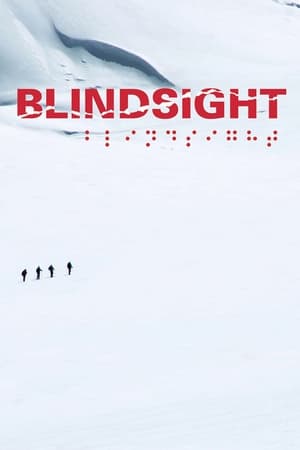
Six blind Tibetan teenagers climb the Lhakpa-Ri peak of Mount Everest, led by seven-summit blind mountain-climber Erik Weihenmayer.
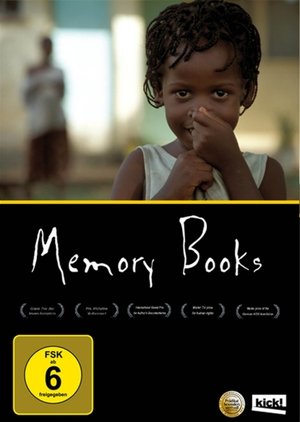
In Uganda, AIDS-infected mothers have begun writing what they call Memory Books for their children. Aware of the illness, it is a way for the family to come to terms with the inevitable death that it faces. Hopelessness and desperation are confronted through the collaborative effort of remembering and recording, a process that inspires unexpected strength and even solace in the face of death.
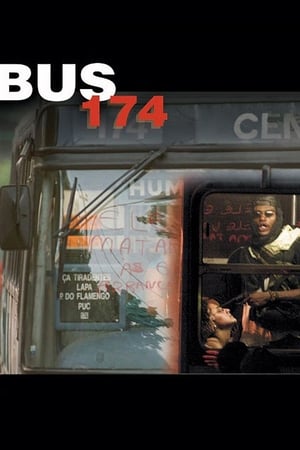
Documentary depicts what happened in Rio de Janeiro on June 12th 2000, when bus 174 was taken by an armed young man, threatening to shoot all the passengers. Transmitted live on all Brazilian TV networks, this shocking and tragic-ending event became one of violence's most shocking portraits, and one of the scariest examples of police incompetence and abuse in recent years.
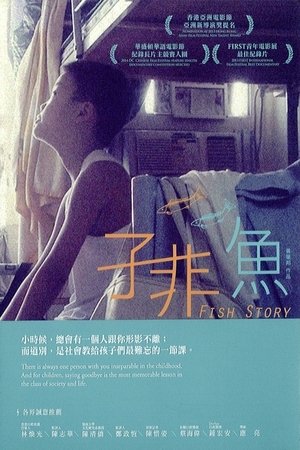
J and Jacky are good friends who attend the same school. J is from a single-parent family, and will be taken care by Jacky’s family whenever his mother has to return to Mainland to renew her visa; such kind of story is not an isolated case. These families have been uprooted for a “better future” in Hong Kong, but is this “future” that the children really long to have? A Chinese saying: “How does one understand the joy of fish, if one is not a fish?” Will the adults really understand what the children want?
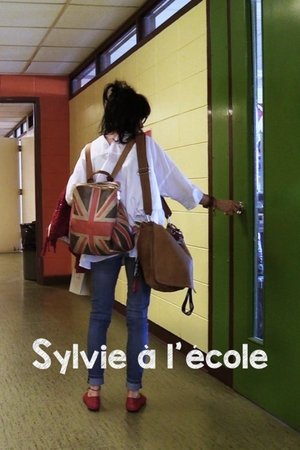
Sylvie Giroux doesn’t have kids, but every year, from September to June, about 10 teenagers aged 16 to 21 add a bit of magic to her life. These youngsters suffer from autism, Down syndrome, dyspraxia, severe anxiety and intellectual handicaps.
The film is a controversy on democracy. Is our society really democratic? Can everyone be part of it? Or is the act of being part in democracy dependent to the access on technology, progression or any resources of information, as philosophers like Paul Virilio or Jean Baudrillard already claimed?
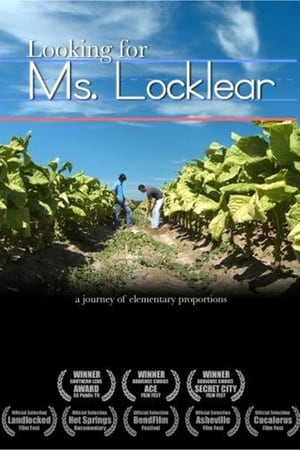
We met in first grade in Ms. Locklear’s class. During the summer of 2006, we decided to search for our beloved teacher. We chose not to use the internet or the telephone, but instead to rely on face-to-face contact with people. Looking for Ms. Locklear is a documentary chronicling our search, which led us far from home and into the company of a host of characters.
Every day, at sunrise, the Sítio Porto Alegre School students arrive by boat for another school day. As Professor Rui seeks to catch the attention of the 3rd grade children, new principal Leidi and school boatman Raimundo try to solve the lack of fuel problem caused by the little money sent by the government. These are rainy days in Curralinho township, on Marajó Island, where a school community resists.
A slice-of-life documentary following Ulla, a blind woman adjusting to life after eye removal surgery. With the help of her guide dog, Laina, she navigates Helsinki while pursuing a prosthetic eye and a deeper understanding of photography.
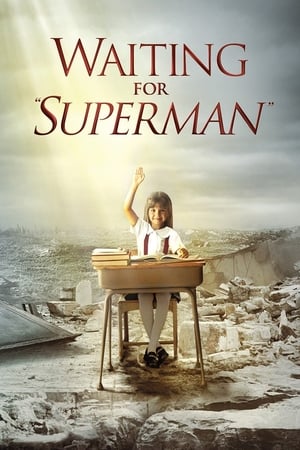
Gripping, heartbreaking, and ultimately hopeful, Waiting for Superman is an impassioned indictment of the American school system from An Inconvenient Truth director Davis Guggenheim.
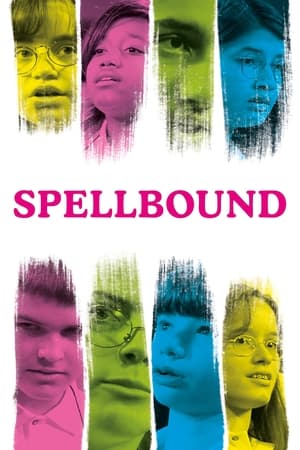
This documentary follows 8 teens and pre-teens as they work their way toward the finals of the Scripps Howard national spelling bee championship in Washington D.C.
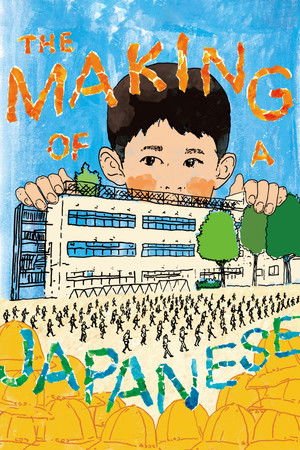
Intimately following 1st and 6th graders at a public elementary school in Tokyo, we observe kids learning the traits necessary to become part of Japanese society.
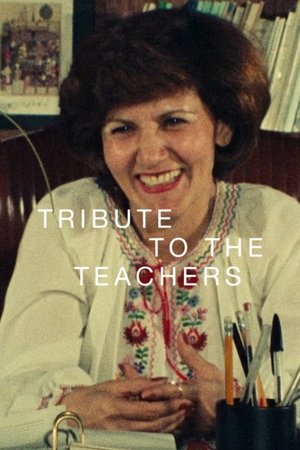
A documentary featuring interviews with teachers and officials on the profession of teaching and what it means to them.
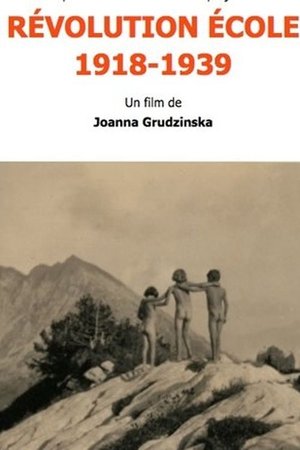
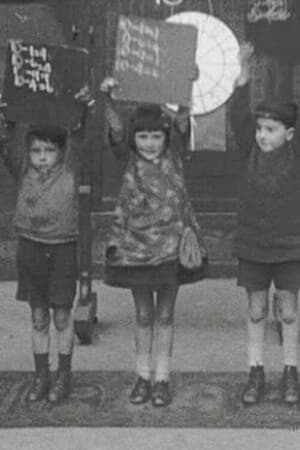
In a Europe traumatized by the First World War, educationalists point the finger of blame: the school, which produced “brave soldiers”. The task now is to build peace and develop a new education for a generation of children who, it is hoped, will never wage war again. How can we educate them without surveillance and punishment? How can we help them to emancipate themselves? To make children happy is to make them better adults, according to those who embarked on the adventure. Their names are Rudolf Steiner, Maria Montessori, Célestin Freinet, Alexander S. Neill, Ovide Decroly, Paul Geheeb or Janusz Korczak, each of them inventing educational methods. A Swiss pedagogue, Adolphe Ferrière, brought them together in the Ligue internationale de l'éducation nouvelle.
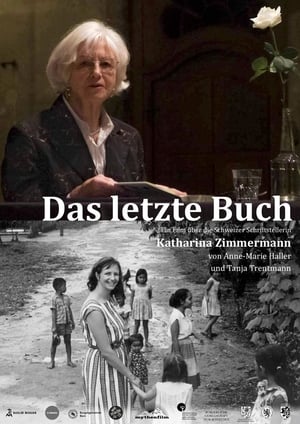
The film focuses on the exciting life journey of Swiss writer Katharina Zimmermann. She follows her husband on a mission to the jungle in Indonesia where she raises their four children and five foster children and lives through the military coup. Back in Switzerland Katharina discovers her voice and finds her path. Now, at eighty, she is writing her life story. Yet suddenly she faces another battle because her publisher is threatening to let her go.
Young scholars get busy for Newcastle-on-Tyne's 'Education Week' in the tour of Tyneside classrooms.
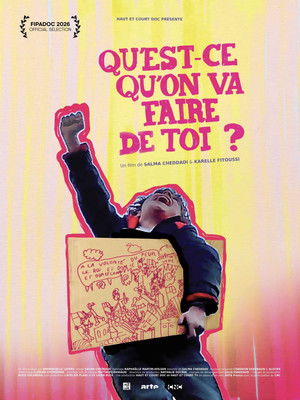
Between playing, colouring in and singing, children in a Paris primary school learn about the impact of political decisions on their everyday lives and their future. The documentary sheds light on the future of the education system.
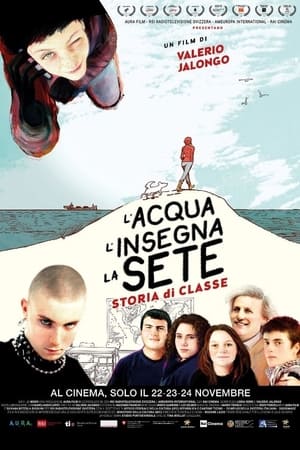
In Rome, Gianclaudio Lopez, a retired teacher, sets off in search of his former students who are now approaching their thirties. A Class Story mixes sequences of the video diary that the teenagers had filmed at the time and sequences shot now in which the protagonists, adults, remember this period and speak of their dreams, illusions and regrets.
In the Makarenko public elementary school in the Paris outskirts, children want to learn and to be cheered while teachers know they do not only teach, they also educate. With care, tenacity and efforts, children are trained to become not only responsible citizens but also human beings.
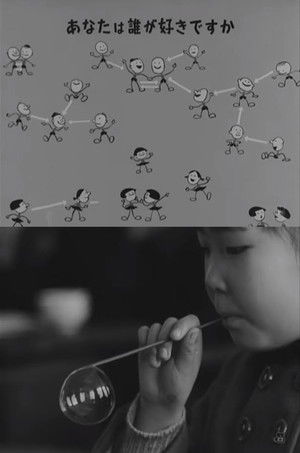
A short documentary about the behaviour of Japanese primary school students.