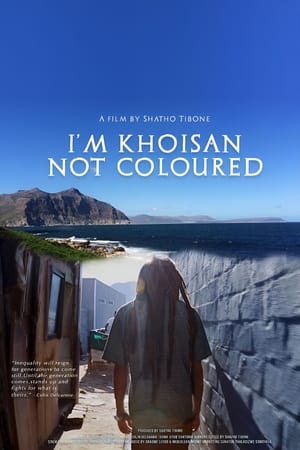
During his stay in Cape Town as a film student, Shatho Tibone was inspired by an initial casual trip he took to the scenic but informal settlement of Hangberg. This film focuses on the uncertainties and inhumane acts of police and state brutality faced by the predominantly Rastafarian, KhoiSan identifying community of Hangberg in Cape Town, South Africa. So, through the participatory collective effort of a few journalists, filmmaker and community leaders Shatho went on a 5 year journey to document the story of this community which has become an enigma in South African imagination,
Die Affäre Meili
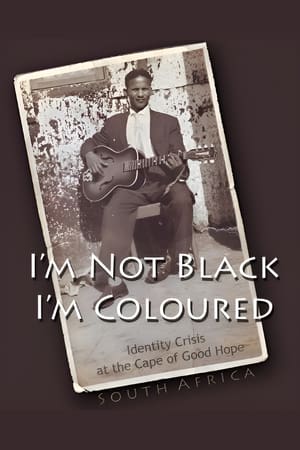
In the wake of one of the worst social experiments in the history of mankind, 'I'm not Black, I'm Coloured' is one of the first documentary films to look at the legacy of Apartheid from the viewpoint of the Cape Coloured. A people who in 1994, embraced the concept of Desmond Tutu's all encompassing 'rainbow nation', but soon thereafter realized that freedom, privilege, economic growth and equality would not include them. A people who for more than 350 years has been disregarded, ignored, belittled, and stripped of anything they can call their own enduring a complex psychological oppression and identity crisis unparalleled in South African history.
For centuries, freeminers have held the right to mine coal anywhere within the Forest of Dean. To become a freeminer, one must be over 21, born within the hundred of St Briavels, and have worked underground for a year and a day. Today, Forestry England administers the mining tradition, with only a few freeminers still venturing underground in search of the elusive ‘black gold,’ helping to keep this unique heritage alive. This short documentary offers a rare glimpse into the lives of those most connected to this fascinating practice. Through their eyes, we explore the dark depths beneath the ancient forest floor and uncover an enduring way of life.
In early 2023 Historic England commissioned MSDS Marine and Michael Pitts to produce a film to celebrate fifty years of Protected Wreck sites and the role volunteers have played in their management. The film draws on Michael’s extensive film archive as well as new footage to really showcase protected wreck sites through stunning imagery and explores the role volunteers have had on working on them through a series of interviews.
The first of a documentary serie about rural France.
Oldemors reise
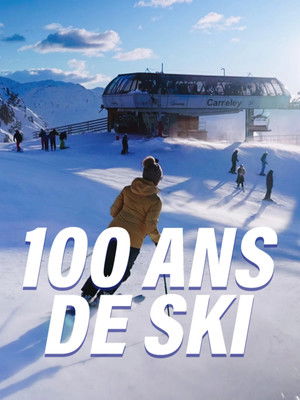
100 ans de ski : Histoire et patrimoine de nos stations d'hiver
For some time now, The State Commission of the Lithuanian Language is at the center of tough discussions. For some, it’s an institution which safeguards the most important principles of the language, but for others, it’s an anachronism of the Soviet regime. This film offers a first-time glimpse into the commission’s work
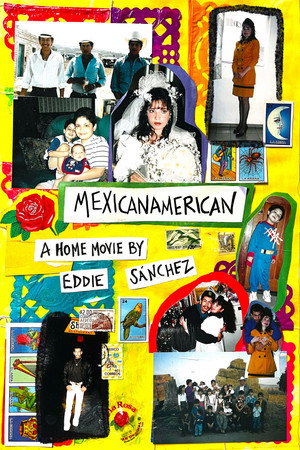
Expertly merging old VHS home movies with new family interviews, filmmaker Eddie Sánchez traces his parents' journey from Mexico to the U.S. in this poignant and affecting documentary debut.
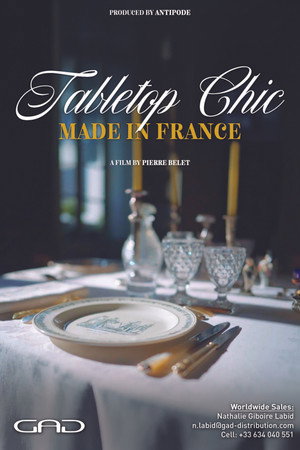
Arts de la table, une excellence française
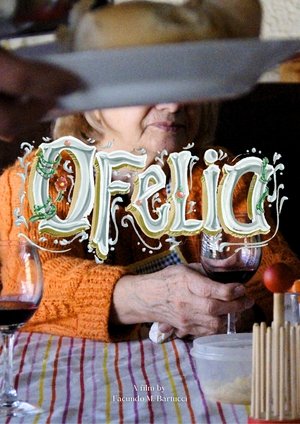
At 88 years old, Ofelia reflects on her life under the attentive gaze of her grandchildren. Family, love, disputes, adventures, and tragedies. A story brimming with characters that, as a result of the passing of time, leaves Ofelia as the sole witness to recount it
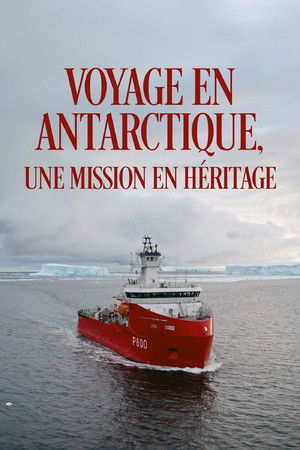
While emptying her grandparents' house, director Jeanne Lefevre discovers the journal kept by her grandfather during a scientific mission to Adélie Land, French Antarctic Territory, in 1960. Atomic engineer Bruno Parlier had never spoken of this trip to his family. With her archives in hand, Jeanne decides to follow in his footsteps, to Antarctica.
A house. A shelter. A man the last one left in the homeland. A woman returns to her community every year. The daughters and husband who have lost all traditions. A rapper who raps in the old language. In 1990 Susanna marries Udo. Their wedding is the last one celebrated between two Saxons in their village. After that the couple emigrated like half a million of Transylvanian Saxons. After 30 years in Germany the relationship between Susi and Udo has gone stale and they haven't taught their native language to their daughters that feel just German. Georg on the other hand is proud of his identity. He hopes with his rap to spread the young generations about the heritage to make them proud of being a Saxon. This is the choral story of a family who is learning to change in order not to disappear.
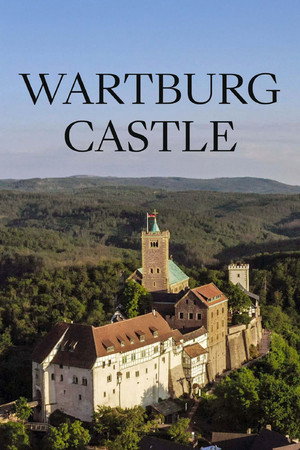
Wartburg Castle has towered majestically over the Thuringian Forest for almost a thousand years. The medieval building is a living testimony to Germany's complex history - and is a symbol of freedom, power and culture. This documentary explores its long and eventful history.
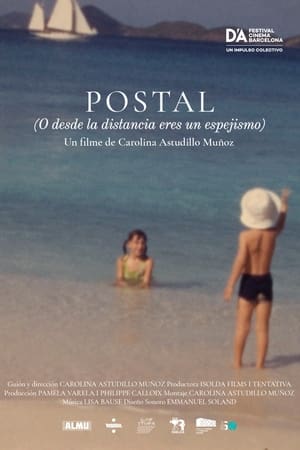
"The palm trees on the reverse are a delusion; so is the pink sand". This line, taken from a poem by Margaret Atwood, lights the path traced in "Postcard". As the years go by, landscapes transform, take on new meanings, and hold onto joys that will never be regained. The sea and the beach, once stages of happy summers, romances, and encounters, will turn into concentration camps or centers of detention and torture. This occurs across different times and places. In this piece, I embark on a journey through some of my works that explore the relationship between testimony, spaces, and time, engaging in dialogue with the beautiful film directed by Alejandro Segovia in 1972.
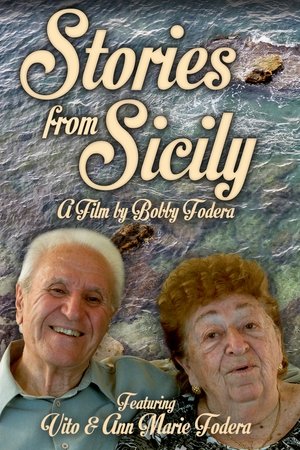
A documentary about the life of the filmmaker’s grandfather and his life growing up in Fascist Italy to meeting his wife and immigrating to America.
Yin Honqiang, a master carpenter from Jiangyin, has been working with wood for over 50 years. Along with his son and his grandson, they create handcrafted pieces of furniture of the highest level, what lead them to be one of the most important furniture makers in all of China. Take a seat is a close look at their way of working while keeping the tradition alive throughout generations.
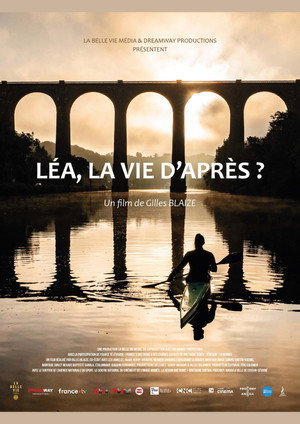
Léa, la vie d'après ?
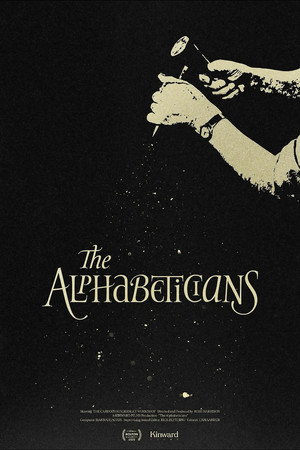
The Alphabeticians is a cinematic observational documentary exploring the power of relationships and the resilience of creative spirit. The film follows a turning point in the life of Lida Cardozo Kindersley, who runs a renowned lettercutting workshop in Cambridge, England. Having inherited the workshop from her husband and former teacher David Kindersley, Lida poured her soul into her work for nearly half a century. Approaching her seventieth birthday, she prepares for the next step: to hand the workshop on to her son and daughter-in-law. This moment of transition offers a portal to deeper themes: what significance do heritage crafts have in the modern world? And what legacies are we passing to future generations?