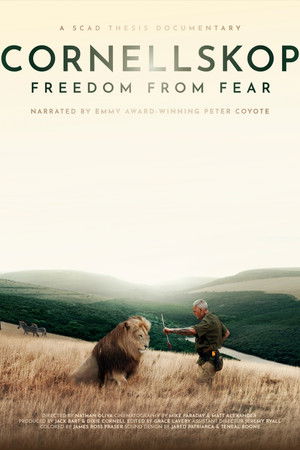
At a South African sanctuary, Luke Cornell provides a second chance for wildlife, confronting the harsh realities of poaching while revealing the deep emotional bond between the animals and those dedicated to their care.
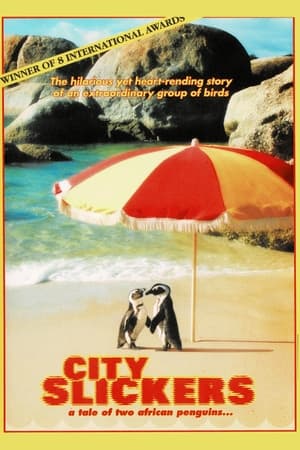
Fifteen years ago, a handful of African Penguins, normally found only on remote islands off the Southern African coast, stumbled across on of the Cape's most beautiful and popular tourist beaches. They swam, they saw, they conquered. And today, Boulders beach is home to more than 4,000 of these delightful, resourceful and entertaining seabirds who live side by side with their human neighbours -well, most of the time! These knee-high invaders not only share the beach, they dodge traffic, scale fences, and take over gardens, the golf course and even the occasional bedroom! For the two feathered stars, Henry and Margot, it's a tale of romance, the challenges of parenthood, separation and a penguin's worst nightmare, oil.
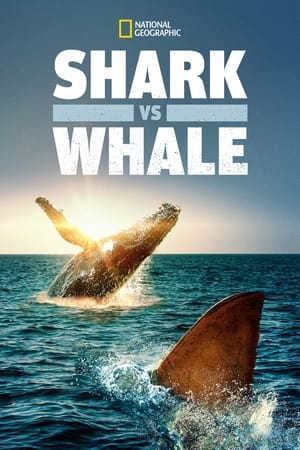
A routine drone survey turns deadly when Ryan Johnson, a marine biologist based in South Africa, films a humpback whale being attacked and strategically drowned by a Great white shark. This is a total perspective shift for the creature.
A Good Wolf is a feature-length documentary film examining a 40-year conflict over a single tract of land adjacent to Denali National Park—a volatile struggle between state and federal authorities, fur trappers and wildlife advocates, and competing human interests on public lands. Armed with thorough data, biologists and activists bring a new proposal to state authorities, hoping to regain protections for wolves near the park boundary. But local trappers are adamantly opposed. Hanging in the balance are some of America’s most iconic landscapes and wildlife -- including the remarkable Wolf 1202.
Takes us to locations all around the US and shows us the heavy toll that modern technology is having on humans and the earth. The visual tone poem contains neither dialogue nor a vocalized narration: its tone is set by the juxtaposition of images and the exceptional music by Philip Glass.
The Fragile Return Of The Lynx
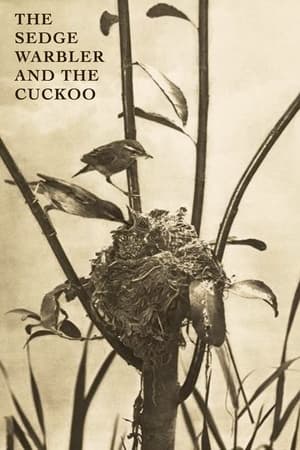
The peculiar trait of the cuckoo, which tricks another bird into hatching her egg for her, is shown in color photography.
Visit the waterfalls, forests, beaches, rivers, reptiles, mammals, birds and butterflies that are part of Australia's stunning kaleidoscope of images.
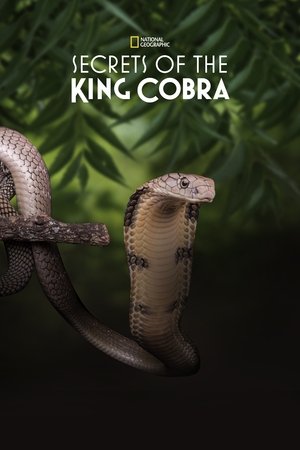
A new scientific expedition follows the King Cobra into the wild for the first time.
A team of explorers set out to explore the sea and land of the remote Pitcairn Islands
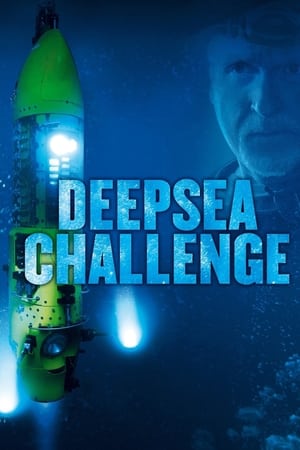
Described as being a film about determination, danger and the ocean’s greatest depths, James Cameron's "Deepsea Challenge 3D" tells the story of Cameron’s journey to fulfill his boyhood dream of becoming an explorer. The movie offers a unique insight into Cameron's world as he makes that dream reality – and makes history – by becoming the first person to travel solo to the deepest point on the planet.
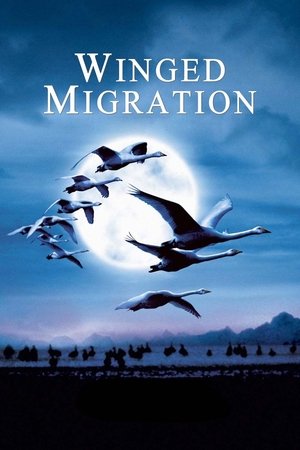
This documentary follows various migratory bird species on their long journeys from their summer homes to the equator and back, covering thousands of miles and navigating by the stars. These arduous treks are crucial for survival, seeking hospitable climates and food sources. Birds face numerous challenges, including crossing oceans and evading predators, illness, and injury. Although migrations are undertaken as a community, birds disperse into family units once they reach their destinations, and every continent is affected by these migrations, hosting migratory bird species at least part of the year.
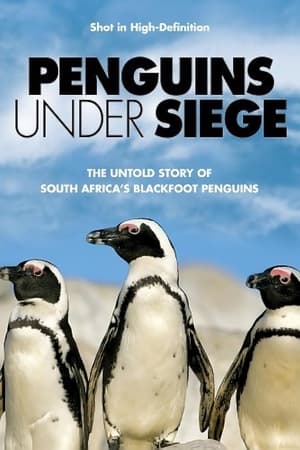
The untold story of South Africa's blackfoot Penguins.
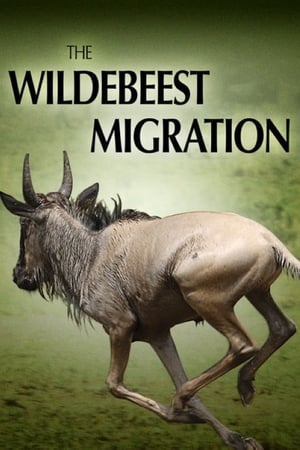
Every year, on the steppes of the Serengeti, the most spectacular migration of animals on our planet: Around two million wildebeest, Burchell's zebra and Thomson's gazelles begin their tour of nearly 2,000 miles across the almost treeless savannah. For the first time, a documentary captures stunning footage in the midst of this demanding journey. The documentary starts at the beginning of the year, when more than two million animals gather in the shadow of the volcanoes on the southern edge of the Serengeti in order to birth their offspring. In just two weeks, the animal herd's population has increased by one third, and after only two days, the calves can already run as fast as the adults The young wildebeest in this phase of their life are the most vulnerable to attacks by lions, cheetahs, leopards or hyenas. The film then follows the survivors of these attacks through the next three months on their incredible journey, a trip so long that 200,000 wildebeest will not reach the end.
In the remote Manambolomaty lakes region, a globally unique ecosystem is home to both the Sakalava indigenous people and the endangered Madagascar Fish eagle. Through close collaboration with the local community, the region has become a stunning success for conservation - even as the rest of Madagascar's nature suffers heavy losses.
The image of “snow monkeys” submerged in a hot spring as snow falls around them is iconic. These are Japanese macaques, the northernmost population of monkeys in the world. Highly adaptable, they are the only primates to inhabit environments that range from low coastal plains to mountainous areas 3,000 meters above sea level, with temperatures that can drop to -30 degrees Celsius. How is this single species of macaque able to thrive in such widely diverse habitats? Shot in beautiful 4K UHD, the cameras travel through Japan to capture unique monkey groups displaying different localized food habits, including a world-first footage of monkeys catching live fish as well as how such new behaviors spread among individuals in the pack.
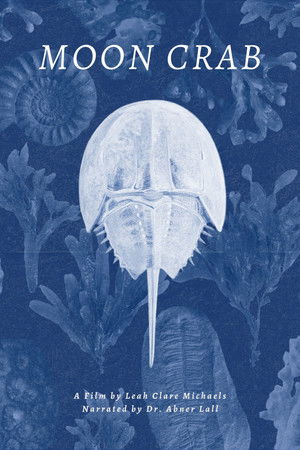
Moon Crab is a meditation on the horseshoe crab, one of Earth's oldest living species now struggling with extreme population decline. Blending reflections on nature's cycles with experimental visuals, the film employs an array of techniques, including eco-processed film developed with seaweed, to immerse the viewer in the crab's subaquatic world. Narrated with intimate depth by physiologist Dr. Abner Lall, the filmmaker’s neighbor, this documentary captures a timeless story of resilience and fragility, urging us to reconsider our connection to the natural world.
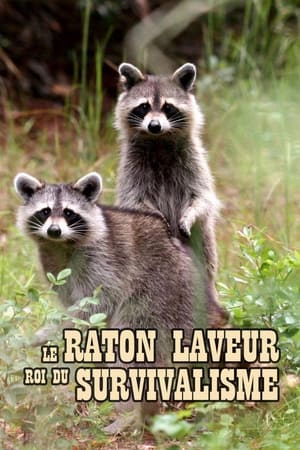
While, all over the world, multiple wild species are threatened, raccoons are displaying an unprecedented expansion. Beneath the innocent and graceful plush exterior hides an unparalleled "survivor" temperament. Omnivorous, curious, intelligent and extremely adaptable, raccoons prove to be very good at overcoming any challenge thrown by humans. But how do these clever creatures manage to survive both in the wild and in urban settings? Set in one summer in Georgia, USA, this film follows a litter of young raccoons from birth to adulthood on Jekyll Island.
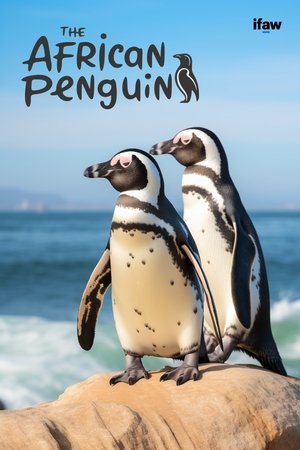
The African penguin is the only penguin that lives on the African continent. It was known as the jackass penguin because of its donkey-like call. This film covers the life cycle of this incredible bird, fom mating to laying of eggs to hunting and the moulting cycle. Sadly, it also shows the stark reality of a bird on the road to extinction.
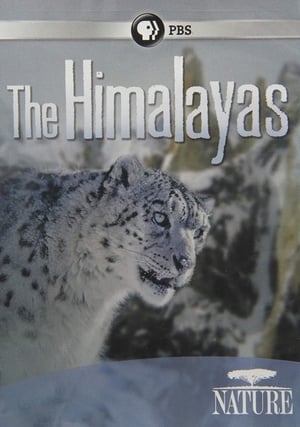
The highest mountain range in the world, the Himalayan range is far reaching, spanning thousands of miles, and holds within it an exceptionally diverse ecology. Coniferous and subtropical forests, wetlands, and montane grasslands are as much a part of this world as the inhospitable, frozen mountaintops that tower above. The word Himalaya is Sanskrit for abode of snow, fitting for a stretch of land that houses the world’s largest non polar ice masses. Extensive glacial networks feed Asia's major rivers including the Ganges, Indus, and Brahmaputra. More than a billion people rely on these glacier-fed water sources for drinking water and agriculture. The Himalayas are not only a remarkable expanse of natural beauty. They're also crucial for our survival.