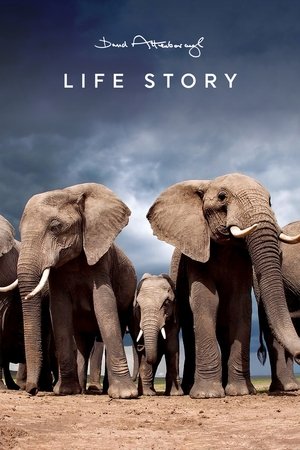
The remarkable and often perilous story of the journey through life. It is a story that unites each of us with every animal on the planet, because we all set out on this journey from the moment we are born. For animals there is just one goal in life – to continue their bloodline in the form of offspring. This series follows that journey through its six crucial stages: first steps, growing up, finding a home, gaining power, winning a mate and succeeding as a parent.
Acclaimed photographer and filmmaker Rankin presents a captivating four-part series that looks at eight exciting new short films made by emerging talent.
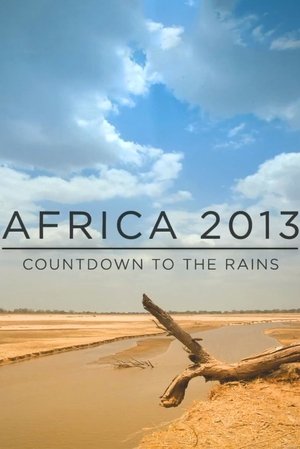
Kate Humble and Simon King follow the animals living along Zambia's Luangwa River, from the last days of the longest dry season in memory to the arrival of the rains that will change everything.
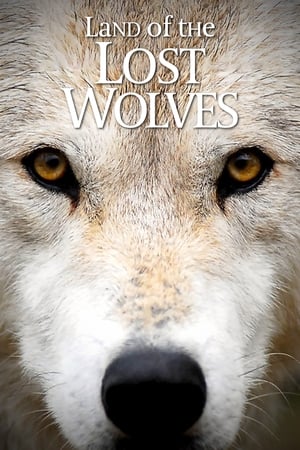
Two-part natural history series following the fortunes of one very special pack of wolves as they return to North America's West Coast.
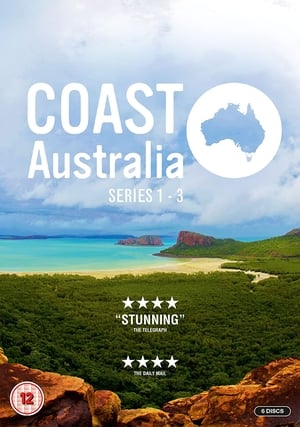
Coast Australia follows renowned Scottish archaeologist and historian Neil Oliver on his very first trip to Australia, as he and a diverse group of co-hosts gather stories about our spectacular coastline: the history, the people, the archaeology, the geography and the marine life, investigating interesting and little known facts along the way. Oliver’s co-hosts, all experts in their field, are journalist and Australian arts and culture specialist Miriam Corowa, environmentalist Professor Tim Flannery, marine scientist Dr Emma Johnston, anthropologist Dr Xanthe Mallett and television presenter and landscape architect Brendan Moar.
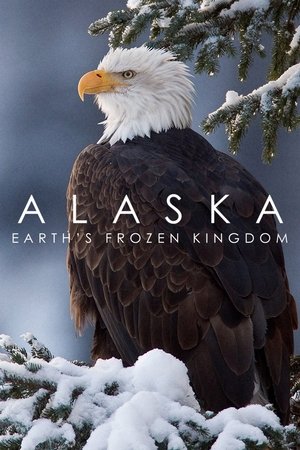
Three-part series that looks at a year in Alaska, revealing the stories of pioneering Alaskans, both animal and human, as they battle the elements and reap the benefits of nature's seasonal gold rush.
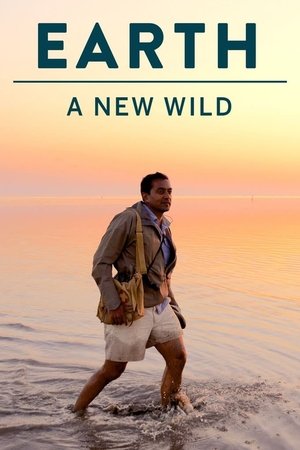
A fresh look at humankind’s relationship to the planet’s wildest places and most fascinating species. Using advanced filming techniques, this series will provide visuals as stunning as the best natural history programs. Distinguishing itself from nearly all other nature films, however, the series turns the cameras around, showing the world as it really is—with humans in the picture.
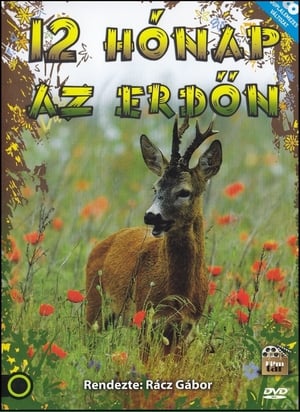
A 12-part nature film series that shows the wildlife of the forests from January to December.
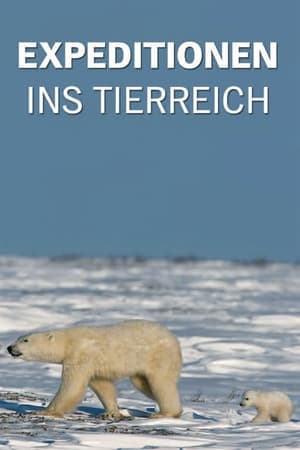
Expeditionen ins Tierreich
PBS' premier science series helps viewers of all ages explore the science behind the headlines. Along the way, NOVA demystifies science and technology, and highlights the people involved in scientific pursuits.
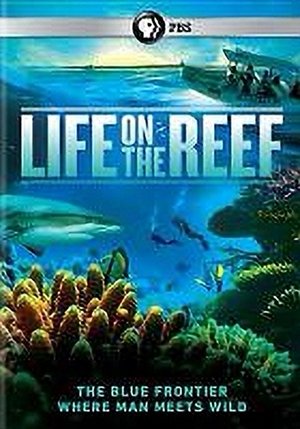
Filmed over the course of a year, this three-part documentary follows those who live in one of the most extraordinary places on the planet, Australia's Great Barrier Reef.
NOVA scienceNOW is a News magazine version of the long-running and venerable PBS science program Nova. Premiering on January 25, 2005, the series was originally hosted by Robert Krulwich, who described it as an experiment in coverage of "breaking science, science that's right out of the lab, science that sometimes bumps up against politics, art, culture". At the beginning of season two, Neil deGrasse Tyson replaced Krulwich as the show's host. Tyson announced he would leave the show and was replaced by David Pogue beginning season 6.
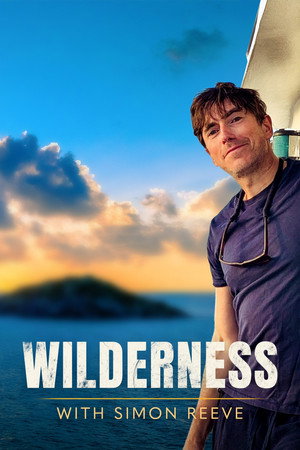
On his toughest journeys yet, Simon Reeve travels through some of the most remote landscapes on Earth in search of the people and the wildlife of the planet’s greatest wildernesses.
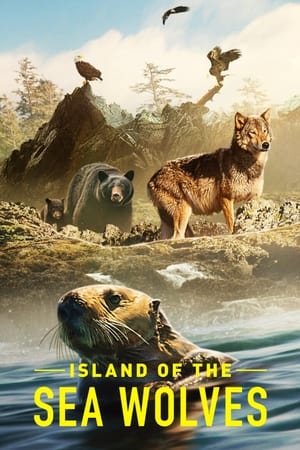
Explore wild, wondrous Vancouver Island, where the ocean nurtures all life, from bald eagles who go fishing to sea wolves who swim in frigid waters.
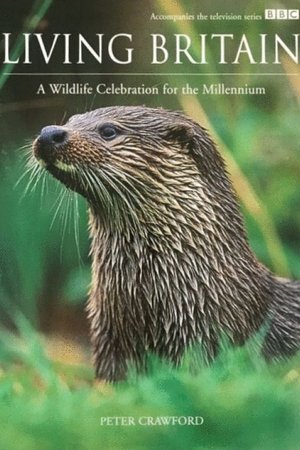
Living Britain is a six-part nature documentary series, made by the BBC Natural History Unit, transmitted from October to December 1999. It was produced by Peter Crawford. It examines British wildlife over the course of one year. Each of the programs takes place in a different time of year.
Lifestyle related diseases, physical pain, and mental health. This program focuses on medical and health issues of interest, exploring effective countermeasures as well as methods of prevention.
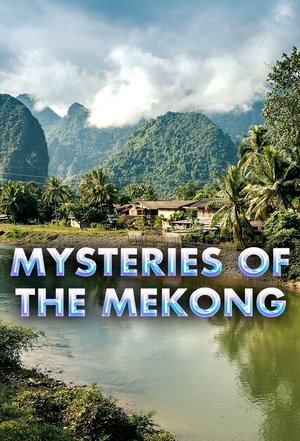
The Mekong basin is one of the richest areas of biodiversity in the world, yet one of the most undiscovered. 20,000 plant species, 430 mammals, 1,200 birds, 800 reptiles and amphibians, and an estimated 850 freshwater fish species, are found in this very remote Asian region. A not-to-be-missed wildlife series that will truly be a feast for the eyes.
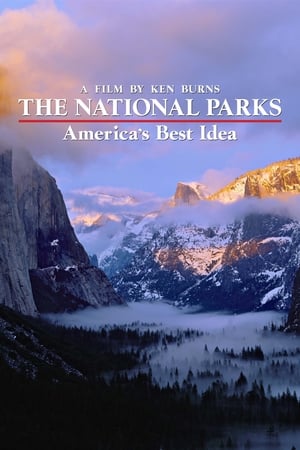
Filmed over the course of more than six years at some of nature's most spectacular locales – from Acadia to Yosemite, Yellowstone to the Grand Canyon, the Everglades of Florida to the Gates of the Arctic in Alaska - “The National Parks: America's Best Idea” is nonetheless a story of people: people from every conceivable background – rich and poor; famous and unknown; soldiers and scientists; natives and newcomers; idealists, artists and entrepreneurs; people who were willing to devote themselves to saving some precious portion of the land they loved, and in doing so reminded their fellow citizens of the full meaning of democracy.
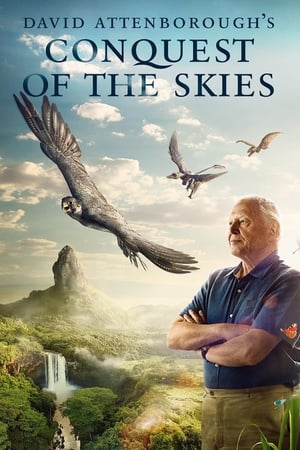
Evolutionary story of flight from the very first insects to the incredible array of creatures which rule the skies today.
In each and every one of these action packed hours, Gordon Buchanan is on a personal and dangerous mission to really KNOW a MANEATER -an animal that has killed or even eaten a human. But as populations of the planet's apex predators decrease, the number of attacks on humans increases. Buchanan wants to go to the places where man still battles beast and put himself 'directly in the path' of a predator to find out.