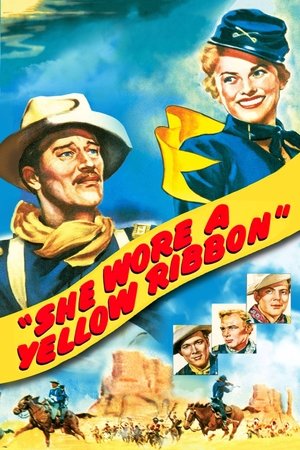
On the eve of retirement, Captain Nathan Brittles takes out a last patrol to stop an impending massive Indian attack. Encumbered by women who must be evacuated, Brittles finds his mission imperiled.
Beautiful half-breed Pearl Chavez becomes the ward of her dead father's first love and finds herself torn between her sons, one good and the other bad.
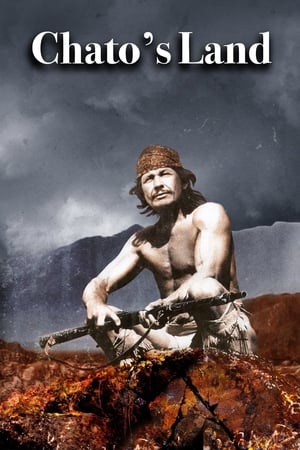
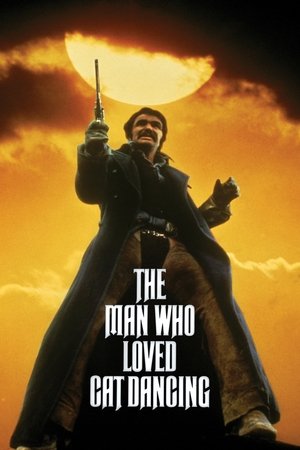
In 1870s New Mexico, a half-breed kills a bigoted sheriff in self-defense but the posse that eventually hunts him finds itself in dangerous territory.
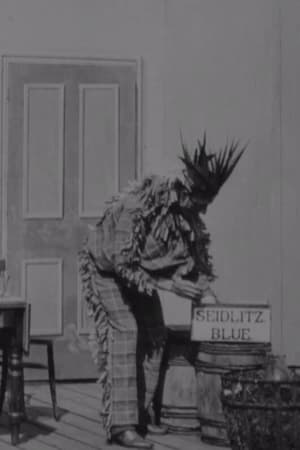
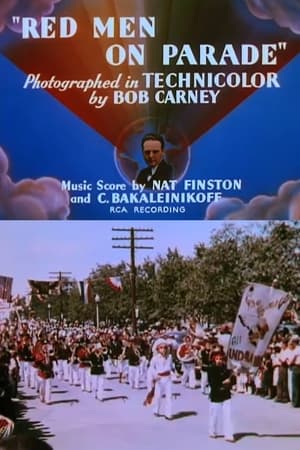
An inventive use of slow-motion filming helps hammer home the gag as an unconvincing 'Indian chief' hopes to dissolve some trapped wind with a popular brand of indigestion powder.
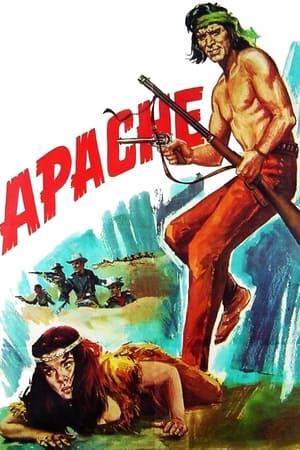
Following the surrender of Geronimo, Massai, the last Apache warrior is captured and scheduled for transportation to a Florida reservation. On the way he manages to escape and heads for his homeland to win back his girl and settle down to grow crops. His pursuers have other ideas though.
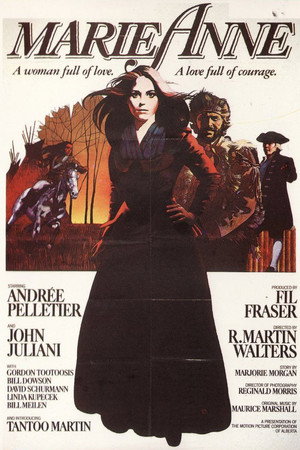
The film is a historical biopic of Marie-Anne Lagimodière, the first woman of European descent to settle in Western Canada and the grandmother of Louis Riel.
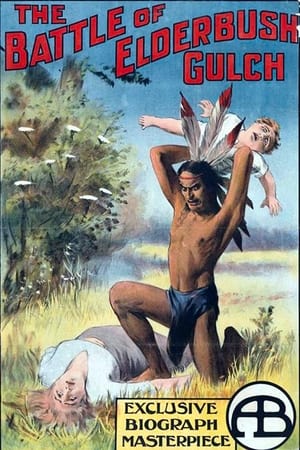
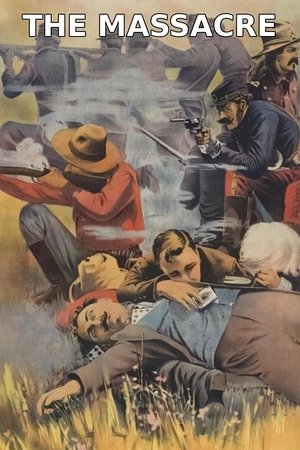
The story of the massacre of an Indian village, and the ensuing retaliation.
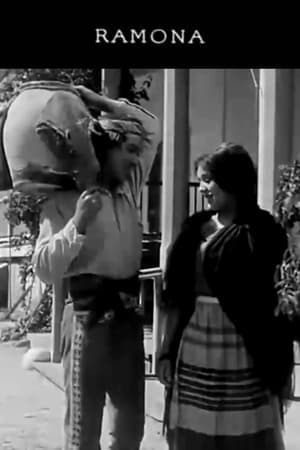
Ramona, residing on her wealthy Spanish adoptive mother's rancho in California, falls in love with the Indian Alessandro. When Ramona is denied permission to marry Alessandro, the lovers elope, only to find a life of great hardship and unhappiness amidst the greed and injustice of the white landowners.
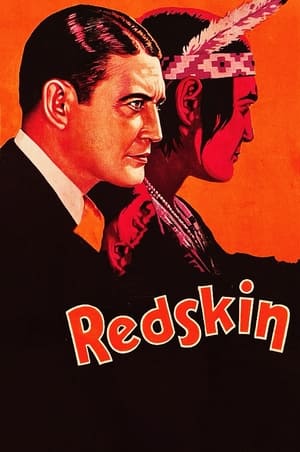
Wing Foot is a Navajo educated in an otherwise all-white school. He experiences prejudice from both the whites (because of his race) and the Navajos (who disown him because of his upbringing). Thus, Wing Foot is looked upon as neither Indian nor white, but simply a "redskin".
Two young girls are sent away to live with their uncle, which sets off a chain of events resulting in an Indian attack on the town.
The U.S. Army and the Sioux Indians sign a peace treaty. However, a group of surveyors trespass on the Indians' land and violate the treaty. The army refuses to listen to the Indians' complaints, and the surveyors are killed by the Indians. A vicious war ensues, culminating in an Indian attack on an army fort.
A lost film based on the 'Reign of Terror', a real-life series of several dozen murders committed against the Osage people. 'Tragedies of the Osage Hills' was directed by James Young Deer, the first known Native American film director, and boasted a cast of “hundreds of real Indians.” Described as a dramatic thriller interwoven with a “tender love story”, the film’s premiere in Cushing, Oklahoma occurred just months after the arrest of Ernest Burkhart, the subject of Martin Scorsese’s similarly themed 2023 film 'Killers of the Flower Moon'. The 'Cushing Daily Citizen' described 'Tragedies of the Osage Hills' as having a fictitious ending of the Osage and white men united under an American flag.
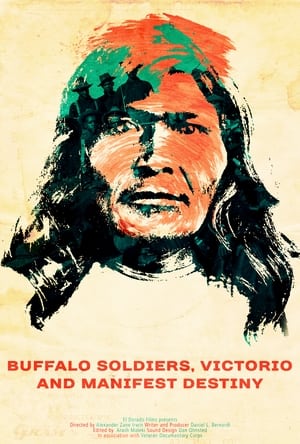
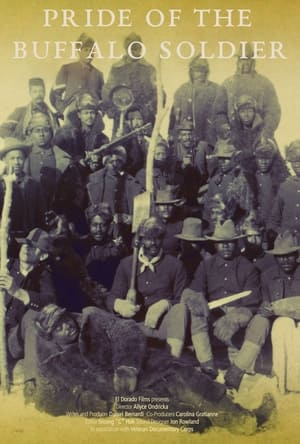
A look into the 19th century American-Indian Wars, Manifest Destiny, and the conflicts between Apache tribes and the African-American Buffalo soldier regiments.
African American soldiers throughout the 19th and 20th Centuries faced discrimination and segregation, yet many still chose to fight for their country.
For over 100 years, Hollywood cinema has crafted the ultimate "villain"- the Indian, as they were labeled in early Westerns. Confined almost exclusively to this genre, the Western became a vehicle for American racism, obscuring the genocide upon which the United States was built. In this documentary, only Native Americans are given a voice to share their story, one that has been overshadowed by Hollywood's portrayal. Their narrative, part of the larger American story, highlights how cinema has long been used as a powerful propaganda tool, distorting history and perpetuating harmful stereotypes.
A young boy finds an ancient Comanche monster spirit in the basement of his home. His parents don't believe him, so he must kill the monster alone.
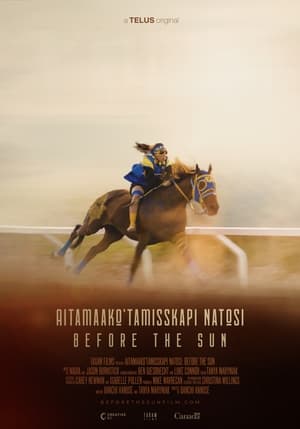
Raised on horseback in Blackfoot Territory and coached by her father, Logan Red Crow fights to become the first woman to ride the Indian Relay at the Calgary Stampede, a breathtaking, bone-breaking sport where riders vault from horse to horse at full gallop.
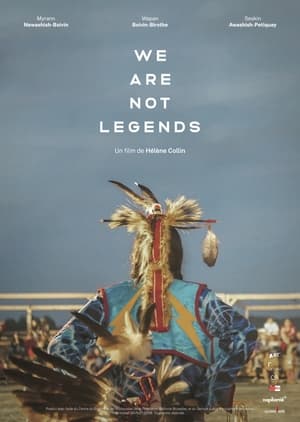
What is it like to be young and grow up on a reserve? Focussing on music lessons, the film reveals the complex relationships that Indigenous youth can have with their “white” teachers. How can two cultures come together? A question the film asks, while inviting us into the private worlds of three Atikamekw teenagers, Myrann, Wapan and Seskin, who are trying to build their future and find a place in this world.
This colorful archival record of Québec City's Winter Carnival shows that many popular events of today—pageants, parades, boat races, folk dancing, fireworks, and torchlight skiing—were also favorites many years ago.
This Traveltalk series short visits a large intertribal meeting of American Indians from all over the western United States. Members of about 30 tribes attended the event, which lasts several days. Attendees perform various tribal ceremonies, demonstrate their skills at crafts (pottery, weaving, doll making), and participate in rodeo events.