In a futuristic city sharply divided between the rich and the poor, the son of the city's mastermind meets a prophet who predicts the coming of a savior to mediate their differences.
Johnnie Gains, son of a farming couple, is industrious and imbued with a spirit of sacrifice. Rejected for military service because of an eye injury, he enlists in the Salvation Army.
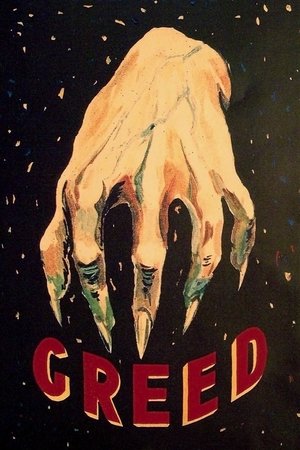
When housewife Trina wins the lottery, her comfortable life with her dentist husband John slowly deteriorates, in part by her own increasing paranoia and partly by the machinations of villainous acquaintance Marcus.
Alcoholic former artist David Stanley and impoverished violinist Judith Deering appear before Judge Henning. After the kindly judge dismisses the minor charges against the couple, Judith finds a job, after which she secretly sends money to David, using the judge as an intermediary. David soon stops drinking and successfully resumes his career.
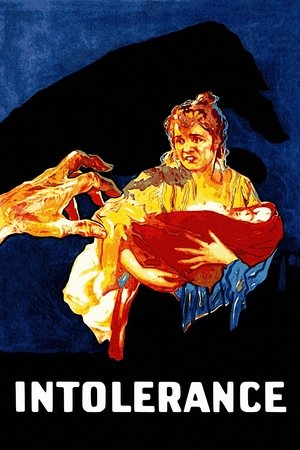
The story of a poor young woman, separated by prejudice from her husband and baby, is interwoven with tales of intolerance from throughout history.
Arima Neko
A movie star helps a young singer-actress find fame, even as age and alcoholism send his own career into a downward spiral.
A melodrama about a painter who is infected with syphilis, refuses treatment, turns to the use instead of narcotics, and withers away.
A couple of boy gangs in Budapest constantly fight over the neighborhood turf.
This mostly lost film is often confused with director Paul Wegener third and readily available interpretation of the legend; Der Golem, wie er in die Welt kam (1920). In this version of the golem legend, the golem, a clay statue brought to life by Rabbi Loew in 16th century Prague to save the Jews from the ongoing brutal persecution by the city's rulers, is found in the rubble of an old synagogue in the 20th century. Brought to life by an antique dealer, the golem is used as a menial servant. Eventually falling in love with the dealer's wife, it goes on a murderous rampage when its love for her goes unanswered.
Ranch hand Tommy Dawes has a special bond with little Rosemary, the crippled daughter of his boss Bill Nyall. When Tommy accidentally breaks Rosemary's favorite doll one day, he borrows a $20 gold piece from the foreman's mattress to go to town and buy a new doll. However, on the way there he is ambushed and robbed by an escaped convict
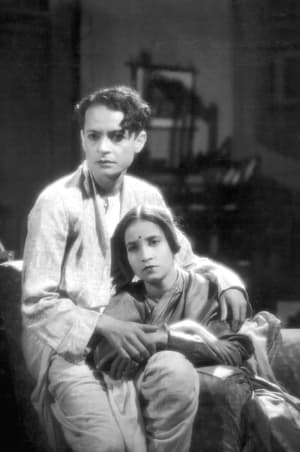
Devdas, the son of a zamindar, and Parvati, his neighbour's daughter, are childhood sweethearts. However, class and caste differences prevent their marriage. Devdas is sent off to Calcutta, while Paro is married off to an aged rich widower. In Calcutta, as remorse drives him to alcohol, Devdas meets Chandramukhi, a prostitute. All Indian prints of this Bengali version were destroyed in a fire that ravaged New Theatre’s studios. Today, only one copy of the film survives which belongs to the Bangladesh Film Archives. Of that copy almost forty percent is destroyed.
In 1899, Kansas farmer Wade Harkin and his wife Ruth pull up stakes and head for the Alaskan gold fields to make their fortune. When they reach Seattle, Washington, Wade tells Ruth to meet him aboard their ship going north, but when she arrives, she is unable to find him because he is involved in a private poker game.
A young girl, Rose Eastmen lives with her lazy Uncle, who works as a janitor in a publishing house. Lacking education, both Rose and her Uncle are susceptible to the socialist ideas of writer Rudolph Creig. One day Rose encounters Jack Steven's the wealthy son of the publishing house, working on his car. She believes he is a common laborer, and begins seeing him. Through her exposure to Jack, Rose begins to realize the rich are not such an abominable people. Rudolph has also reached this conclusion after learning Steven's has published his book. Now with a hefty royalty check and success, Rudolph is able to marry Rose.
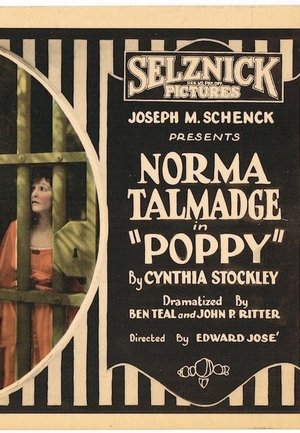
A 1917 film directed by Edward José
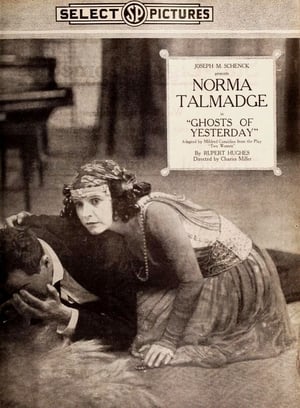
After his wife/model has died of starvation with her portrait unfinished, an impoverished artist meets another woman with a striking resemblance to her.
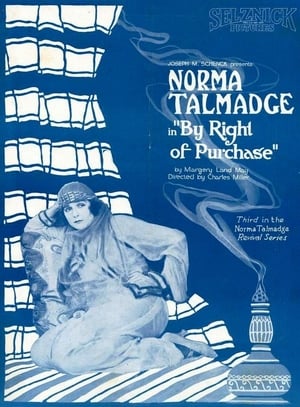
A 1918 film directed by Charles Miller.
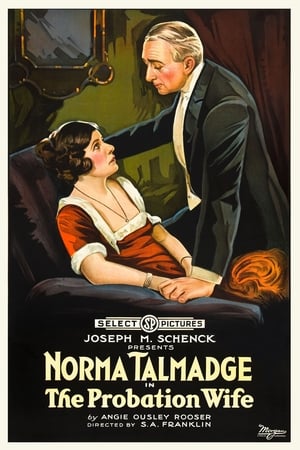
A 1919 film directed by Sidney Franklin.
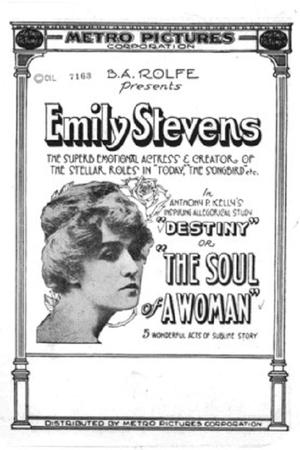
Artist Standish using his wife Mary as his model finishes a painting of the Madonna. When the Connoisseur and the Parishioner inspect the picture, the Connoisseur tells Standish that the model was a one-time paramour. Buying the painting they depart. Standish confronts Mary, who tells him that she believed herself legally married to the Connoisseur. Unbelieving he ejects her and their baby son. Penniless Mary leaves her boy on the steps of a monastery. Years later before becoming a monk the boy is sent to see the world. Wandering into a café he is seduced by Beauty as the other inmates of the place, Lust, Rum, Avarice and Passion dance around him. The proprietor enters; it is Mary. Recognizing the crucifix, she left with him as a baby she persuades him to go back without revealing her identity. After he becomes a priest Mary, now a bedraggled old woman enters his church. She recognizes him and just before she dies her son gives her absolution.
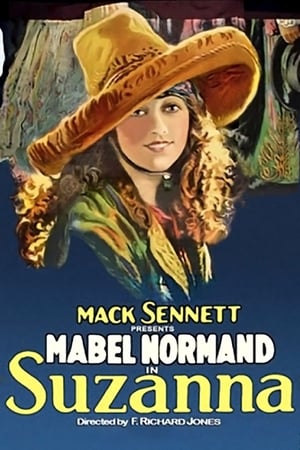
Hoping to consolidate their adjoining ranches, Don Fernando and Don Diego betroth their children, Ramón and Dolores, although Ramón is in love with Suzanna, the daughter of a peon on his father's ranch, and Dolores is interested in Pancho, a toreador. When Suzanna learns that she was kidnapped in infancy and is really Don Diego's daughter, she keeps silent; but Ramón finally rebels and steals Suzanna from the altar as she is about to marry Pancho. There are explanations, Ramón marries Suzanna, and Dolores marries Pancho. Suzanna (1923) has been mastered from a good quality but incomplete 35mm print.