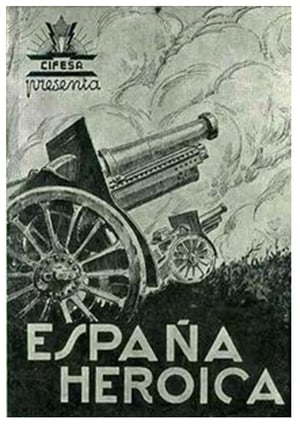
Documentary produced by Falange and edited in Berlin, in response to the international success of the Republican production "Spain 1936" (Le Chanois, 1937).
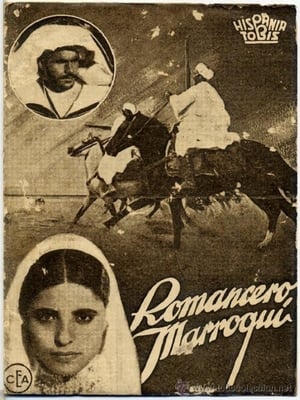
The young farmer Aalami leaves his family to find work elsewhere. He gets to know the country and its people, customs and traditions at Küste in North Africa: Market life in Tetuan, the art of craftsmanship, the life of the Moors, dances and festivities in honour of the caliph, white mosques, the call of the muezzin of the minaret and the music of the shepherd flutes. Aalami also follows Franco's call and flies from Morocco to Spain to fight at Bürgerkrieg. In the end Aalami comes back to his wife and children.
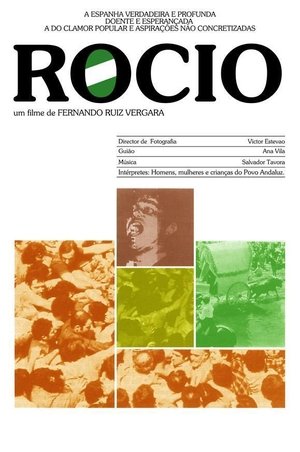
The film shows the genesis of the El Rocío pilgrimage and unveils the economic, socio-political and religious reasons and interests that nurture the phenomenon.
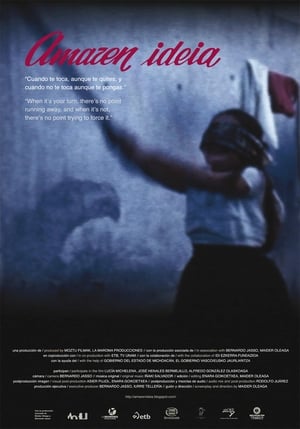
Three elders return to their homeland seventy years after being forced to leave it because of the Spanish Civil War.
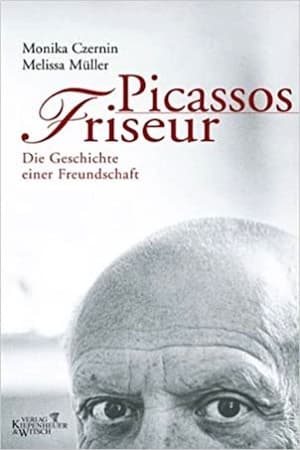
In 1948 Pablo Picasso met the hairdresser Eugenio Arias. Both were linked by the fate of emigration. If Picasso initially only had his hair cut by Arias, a deep friendship soon developed.
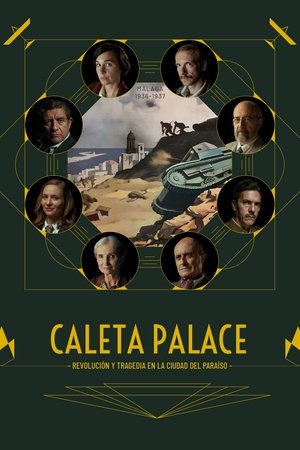
Eight foreign characters recall their exploits and fears in Malaga, a paradise city that starts a revolution on July 18th 1936, as the military coup is stopped by popular rebellion, until February 9th 1937, when Mussolini troops take Malaga and put it under the rule of Franco. Seven months that shape the stark tale of a besieged city, the first capital to be conquered in Spanish Civil War and a prelude of WW2.
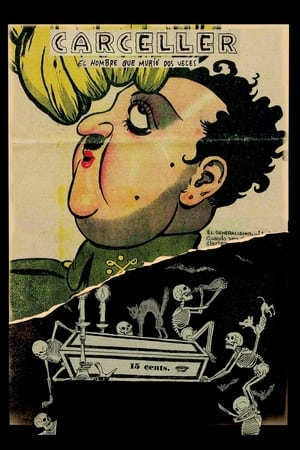
The life story of Vicente Miguel Carceller (1890-1940), a Spanish editor committed to freedom who, through his weekly magazine La Traca, connected with the common people while maintaining a dangerous pulse with the powerful.
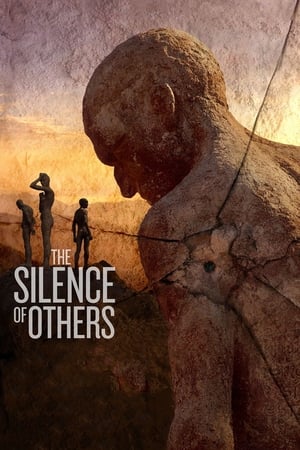
The story of the tortuous struggle against the silence of the victims of the dictatorship imposed by General Franco after the victory of the rebel side in the Spanish Civil War (1936-1975). In a democratic country, but still ideologically divided, the survivors seek justice as they organize the so-called “Argentinian lawsuit” and denounce the legally sanctioned pact of oblivion that intends to hide the crimes they were subjects of.
R31
Libertad negra
Cirugía y recuperación
Un día de guerra en el Frente de Aragón
This documentary is the first of a series that dedicated 4 issues to the activity of the Durruti column in Aragon.
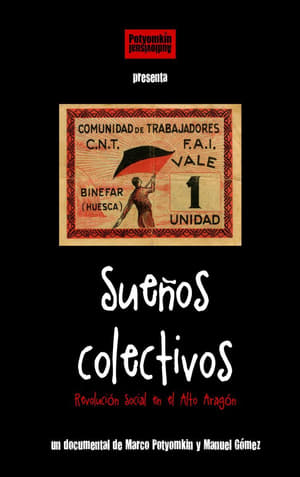
Sueños colectivos
This documentary features the story of Jules Paivio, the last living Canadian volunteer of the infamous Mackenzie-Papineau Battallion of the “International Brigades”. When Jules left from his home near Port Arthur (Thunder Bay), Ontario, his father, a famous Finnish poet, wrote a lasting lament: “To My Son In Spain”. In 1936-37, 1700 Canadians volunteered to fight with the Spanish people against a fascist coup d’etat led by elements of the Spanish Army. Backed by Musselini and Hitler, the fascists were bent on overthrowing Spain’s democratically elected socialist government and replacing it with military and church rule. It could be argued this conflict marked the true beginning of what would become World War II.
After fighting on the Republican side during the Spanish Civil War, a man goes into exile in France while his family waits for his return in a Catalan village.
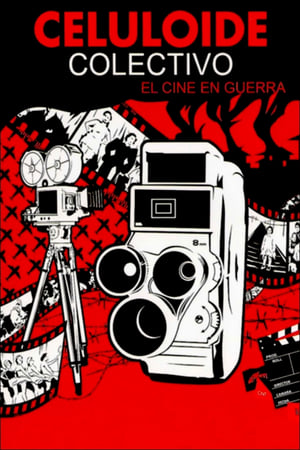
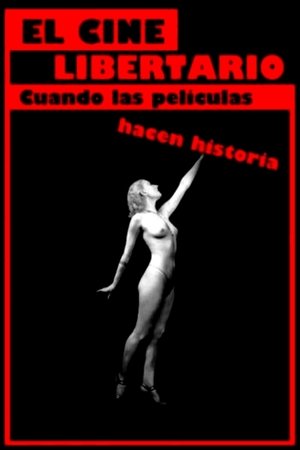
July, 1936. The terrible Spanish Civil War begins. When the streets are taken by the working class, the social revolution begins as well. The public shows are socialized, a model of production and exhibition of films, never seen before in the history of cinema, is created, where the workers are the owners and managers of the industry, through the unions.
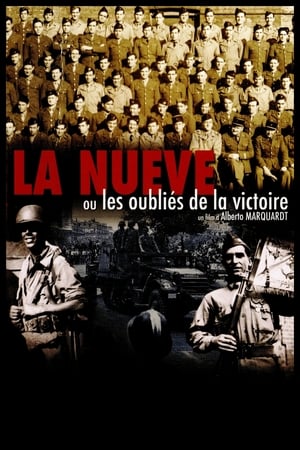
The story of the Spanish Republicans of La Nueve, the 9th Company of the Régiment de marche du Tchad, part of the French 2nd Armored Division, known as Leclerc Division, whose troops were the first who entered Nazi-occupied Paris on August 24, 1944.
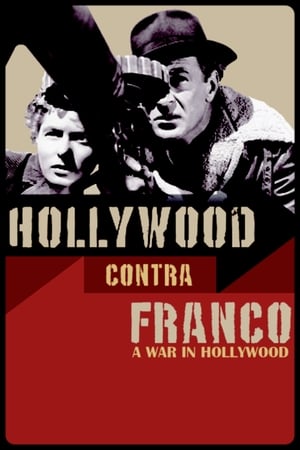
The Spanish Civil War (1936-1939) caused a great impression on the lives of most of the American artists of that era, so many movies were made in Hollywood about it. The final defeat of the Spanish Republic left an open wound in the hearts of those who sympathized with its cause. The eventful life of screenwriter Alvah Bessie (1904-1985), one of the Hollywood Ten, serves to analyze this sadness, the tragedy of Spain and its consequences.
Upon the outbreak of the Spanish Civil War in July 1936, the anarchist union CNT socialized the film industry in Spain, so in Madrid and Barcelona film workers took over the production assets and, between 1936 and 1938, numerous films on a wide variety of topics were released, composing a varied mosaic that gives rise to one of the most unusual and original moments of Spanish cinematography.